
How Natural DHT Blockers Can Help Prevent Hair Thinning


Learn how natural DHT blockers work to reduce hair thinning. Discover plant extracts, key vitamins, and lifestyle tips to support hair density safely.
Noticing extra strands of hair in your brush or watching your hairline gradually recede can be an unsettling experience. Hair thinning affects millions of men and women worldwide, and while many external factors like aggressive styling or harsh chemical treatments play a role, the root cause often stems from deep within your hormonal system. Specifically, an androgenic hormone called dihydrotestosterone, commonly known as DHT, is one of the primary internal drivers responsible for pattern hair loss.
DHT is a natural byproduct of testosterone, created when a specific enzyme converts a small percentage of your body's circulating testosterone into this more potent androgen. While DHT plays essential biological roles during development, its interactions with hair follicles on the scalp can eventually lead to progressive thinning and shedding. For those seeking to preserve their hair density without immediate reliance on prescription pharmaceuticals, exploring natural DHT blockers offers a gentle, holistic pathway toward long-term scalp and follicle vitality.
Understanding DHT and Its Impact on Hair Follicles
To effectively address hair loss, it is essential to understand the biological mechanism that converts testosterone into dihydrotestosterone. The chemical reaction relies on an enzyme known as 5-alpha reductase (5-AR). This enzyme resides in various tissues throughout the body, including the oil glands of your hair follicles. When 5-alpha reductase binds with testosterone, it transforms it into DHT, an androgen that is significantly more potent in its binding affinity to androgen receptors.
Once DHT is synthesized, it travels to susceptible hair follicles, primarily located on the crown and hairline. The primary DHT hair loss mechanism involves DHT binding directly to androgen receptors within the follicle's dermal papilla. Over time, this binding action triggers a biological cascade known as follicle miniaturization. During miniaturization, the hair follicle steadily shrinks in size, producing thinner, weaker, and shorter strands of hair with each successive growth cycle.
Additionally, DHT alters the natural hair growth cycle by dramatically shortening the active growth phase, known as the anagen phase, while extending the resting or shedding phase, known as the telogen phase. As a result, hair falls out more quickly than it can be replaced by healthy new growth. It is worth noting that not everyone experiences hair loss to the same degree. Genetic sensitivity dictates how responsive your individual scalp receptors are to circulating DHT, which explains why two individuals with identical hormone levels can experience vastly different rates of hair retention.
Top Herbal Remedies: Saw Palmetto and Pumpkin Seed Oil
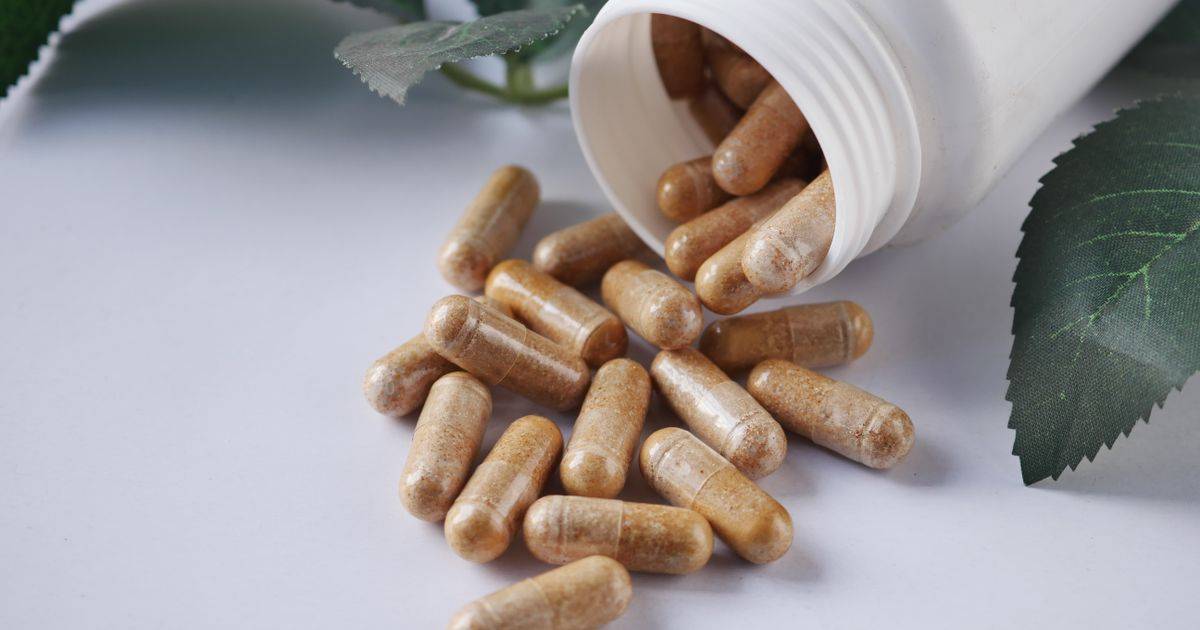
Among the most widely researched plant-based alternatives for hair preservation, saw palmetto extract and pumpkin seed oil stand out for their promising biological activity. These natural ingredients target the root of androgen-related thinning by interacting directly with the 5-alpha reductase enzyme. Research suggests that plant sterols and fatty acids found within these remedies can help inhibit the enzymatic activity responsible for producing DHT, offering a gentler alternative to conventional pharmaceutical inhibitors.
Examining saw palmetto pumpkin seed oil DHT blocking capabilities reveals a dual-action approach to supporting scalp health. Pumpkin seed oil is rich in valuable phytosterols, tocopherols, and essential fatty acids such as linoleic and oleic acids. These nutritional compounds help nourish the scalp, reduce oxidative damage, and suppress 5-alpha reductase activity within localized tissue. Meanwhile, saw palmetto berries contain concentrated lipophilic extracts that act similarly to plant sterols, binding to active enzyme sites and preventing testosterone from converting into DHT.
When used consistently, these botanical extracts help support overall hair density and slow down the rate of progressive thinning. However, individual responses to botanical treatments can vary considerably based on genetics, dosage, and underlying overall health. Please note that while natural ingredients are generally well tolerated, you should always consult with your physician or a qualified healthcare provider before introducing new dietary supplements into your daily routine.
Green Tea, Pygeum, and Other Botanicals
In addition to saw palmetto and pumpkin seed oil, several other botanical extracts exhibit promising anti-androgenic and protective properties for hair health. Green tea extract, for instance, contains high concentrations of a powerful antioxidant polyphenol known as epigallocatechin-3-gallate (EGCG). Studies indicate that EGCG helps protect scalp cells against oxidative stress while simultaneously modulating 5-alpha reductase activity, thereby helping to protect delicate hair follicles from hormone-induced distress.
Another valuable botanical ingredient is Pygeum bark extract, derived from the African prune tree, which has traditionally been used to support prostate health due to its ability to moderate androgen activity. Similarly, stinging nettle root extract contains plant compounds that interfere with the binding of DHT to its target receptors on scalp tissue. When combined, these complementary botanical ingredients create a synergistic effect, offering broader protection against localized hormone imbalance than any single herb alone.
Integrating a combination of antioxidant-rich botanical extracts can nurture the microenvironment of your scalp while promoting stronger follicle roots. As with any herbal regimen, individual results will vary, and maintaining realistic expectations is paramount. It is recommended to speak with a healthcare professional before taking high-potency herbal formulations to ensure safety and prevent potential drug interactions.
Nutritional Factors that Support Healthy Hormone Balance
Proper nutrition forms the foundational backbone of effective hair preservation strategies. While inhibiting DHT is crucial, your body also requires essential minerals and vitamins to repair cellular tissue and manufacture strong structural proteins like keratin. Essential minerals such as Zinc play a vital role in regulating enzymatic processes, modulating androgen activity, and supporting rapid tissue repair within the hair matrix.
In addition to mineral support, key B-complex vitamins like Vitamin B6 and Biotin work alongside amino acids such as L-lysine to enhance protein synthesis and reinforce the structural integrity of every hair shaft. Vitamin B6, in particular, has been observed to influence hormone metabolism, while L-lysine aids in the absorption of key minerals that keep follicles grounded and functional. Together, these nutrients support follicle health and prevent premature structural breakdown.
To maximize benefits and safety, it is always best to obtain these vital nutrients through a nutrient-dense, whole-food diet featuring nuts, seeds, legumes, eggs, and leafy greens before relying heavily on high-dose dietary supplements. Excess intake of certain isolated vitamins or minerals can sometimes lead to unwanted side effects. Consult a doctor or registered dietitian to evaluate your nutrient levels prior to beginning high-potency nutritional supplementation.
Lifestyle Strategies to Naturally Reduce Scalp DHT Impact
Beyond dietary supplements and botanical extracts, adopting key lifestyle habits can significantly enhance your body's ability to maintain healthy hair. Chronic emotional or physical stress is a major contributor to hair loss, as prolonged stress triggers elevated levels of the stress hormone cortisol. High systemic cortisol levels can worsen hormonal imbalances, increase cellular inflammation, and accelerate hair shedding by pushing follicles prematurely into the resting phase.
Improving local microcirculation to the scalp represents another powerful, cost-effective lifestyle technique. Regular scalp massage, performed manually or with soft scalp tools for a few minutes each day, helps stimulate blood flow to compromised follicles. Increased blood circulation delivers fresh oxygen, essential amino acids, and key micronutrients directly to the follicle roots while assisting in the flush of metabolic waste products from the dermal layer.
Furthermore, adopting an anti-inflammatory, Mediterranean-style diet rich in colorful vegetables, wild-caught fish, extra virgin olive oil, and polyphenol-dense fruits can lower systemic inflammation. Reducing inflammatory compounds throughout the body helps protect androgen-sensitive hair follicles from premature miniaturization and creates an optimal biological environment for sustainable hair retention.
Realistic Expectations: Natural Approach vs. Medical Treatments
When choosing natural methods to block DHT, maintaining clear and realistic expectations is vital for long-term success. Botanical extracts and dietary interventions operate through subtle, gradual biological shifts. Compared to pharmaceutical interventions such as Finasteride or Minoxidil, natural options exert a milder effect on systemic hormone levels, making them an appealing option for individuals who wish to avoid potential pharmaceutical side effects.
Because natural approaches work gently with your body's natural chemistry, consistency and patience are essential. It typically takes between three to six months of uninterrupted, daily adherence to a holistic hair health routine before visible improvements in hair density, reduced shedding, or improved scalp coverage become noticeable. Natural remedies require continuous support to maintain their positive biological effects over time.
Before initiating any natural DHT blocking regimen, scheduling a comprehensive consultation with a board-certified dermatologist or primary care physician is strongly advised. A medical professional can accurately diagnose the underlying cause of your hair loss, confirm whether DHT sensitivity is the primary culprit, and help you design a safe, personalized protocol that aligns with your overall medical profile.
Nurturing Your Hair Health Naturally
Navigating the challenges of hair loss can feel overwhelming, but understanding the role of dihydrotestosterone provides a clear roadmap toward proactive care. Incorporating natural DHT blockers through targeted botanical extracts, nutrient-dense foods, and stress-reduction techniques offers a balanced, multi-faceted approach to protecting your hair follicles from hormonal stress and miniaturization.
Ultimately, plant-based remedies like saw palmetto, pumpkin seed oil, and green tea work best when integrated into a healthy, consistent lifestyle. By nourishing your scalp from the inside out and seeking guidance from qualified medical professionals, you can empower yourself to make informed decisions that support sustainable hair growth, increased density, and long-term scalp health.
Frequently Asked Questions
Signs of DHT-related hair loss typically include progressive thinning around the crown, a receding hairline, and strands of hair becoming finer and shorter over time. In men, this often presents as male pattern baldness, while women usually experience diffuse thinning across the top of the scalp.
Natural DHT blockers generally require consistent daily use for three to six months before noticeable changes occur. Hair growth cycles are slow, so patience and long-term adherence are necessary to evaluate the efficacy of botanical extracts and nutritional adjustments.
Many women can safely use natural DHT blockers such as pumpkin seed oil or green tea extract. However, women who are pregnant, nursing, or planning to become pregnant should avoid certain hormonal supplements like saw palmetto. Always consult a physician before starting any new herbal regimen.
No, natural DHT blockers are generally milder than pharmaceutical drugs like Finasteride. While prescription medications inhibit a higher percentage of systemic DHT, natural remedies aim to gently reduce localized enzymatic activity with lower risks of systemic side effects.
Most natural DHT blockers are well tolerated, but mild side effects can occur. These may include mild digestive upset, stomach irritation, or rare allergic reactions. Starting with standard recommended dosages and consulting a healthcare provider helps minimize risks.