
Green Tea Extract

Camellia sinensis
Also known as: Green Tea, Camellia sinensis extract, Chinese tea extract
Green Tea Extract delivers a concentrated dose of antioxidant polyphenols, primarily EGCG, to support metabolic health and cellular protection. Proper dosage adherence is important to ensure both efficacy and safety.
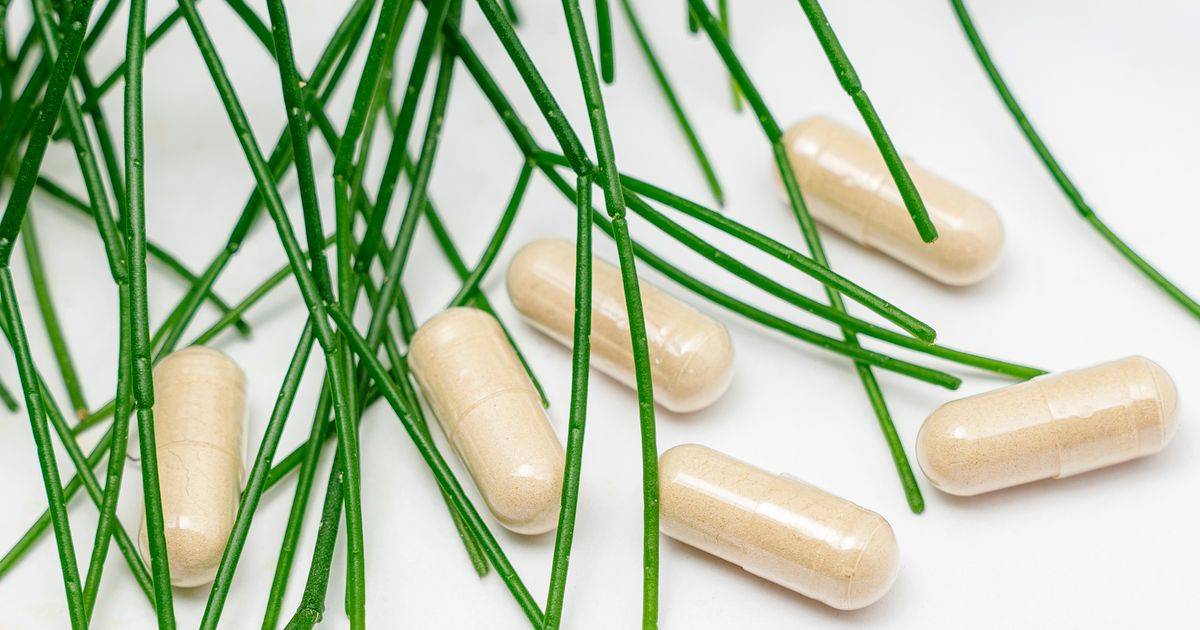
Learn about Green Tea Extract benefits and side effects, typical dosage guidelines, safety precautions, and EGCG antioxidant content.
Green Tea Extract is derived from the dried leaves of the Camellia sinensis plant, which are rich in natural antioxidants known as polyphenols. Among these polyphenols, epigallocatechin gallate, often abbreviated as EGCG, stands out as the primary compound responsible for most of the extract's health-promoting properties. Individuals frequently incorporate Green Tea Extract into their wellness routines to support metabolic rate, promote cellular health, and enhance general antioxidant protection against oxidative stress.
While drinking brewed green tea is a gentle way to enjoy these botanical nutrients, concentrated dietary supplements deliver a much higher level of active compounds. Because high concentrations of catechins can impact liver health in sensitive individuals, it is essential to follow recommended serving sizes. Always consult a qualified healthcare provider before beginning any new supplement regime, especially when utilizing high-strength botanical extracts.
Green Tea Extract Overview
Available Forms and Typical Dosage
| FORM | TYPICAL DOSAGE RANGE |
|---|---|
| Standardized Capsules | 250 - 500 mg daily |
| Decaffeinated Capsules | 250 - 500 mg daily |
| Liquid Extract | 1 - 2 mL daily |
| Powder | 250 - 500 mg daily |
Key Health Benefits of Green Tea Extract
- Provides powerful polyphenol antioxidant protection against cellular oxidative stress
- Supports healthy fat oxidation and metabolic efficiency during exercise
- Promotes cardiovascular function and overall metabolic wellness
- Helps maintain healthy blood sugar levels already within normal range
- Delivers concentrated catechins, particularly EGCG, for cellular longevity
Frequently Asked Questions
The primary active compound in Green Tea Extract is epigallocatechin gallate, commonly referred to as EGCG. EGCG is a potent catechin polyphenol responsible for the majority of the extract's antioxidant capacity and health benefits.
Key benefits include robust antioxidant protection, metabolic rate support, and enhanced fat oxidation during exercise. Potential side effects are generally mild, such as caffeine-induced restlessness or gastrointestinal upset, but excessive doses of EGCG can carry risks to liver safety.
Yes, decaffeinated extracts retain high concentrations of polyphenols and EGCG while removing almost all caffeine content. They offer similar antioxidant and cellular health benefits without triggering central nervous system stimulation.
Green Tea Extract is best taken with a meal and a full glass of water. Consuming concentrated catechins on an empty stomach may cause mild nausea or digestive discomfort in some individuals.
Most health authorities suggest keeping daily supplemental EGCG intake below 800 mg to lower the risk of adverse liver effects. Standard supplement doses usually provide between 100 mg and 300 mg of EGCG per day.