
Tocopheryl Acetate

DL-alpha-tocopheryl acetate
Also known as: Vitamin E Acetate, Tocopherol Acetate, Alpha-Tocopheryl Acetate
Tocopheryl Acetate is a stable ester form of vitamin E widely used for antioxidant protection, immune defense, and skin nourishment.
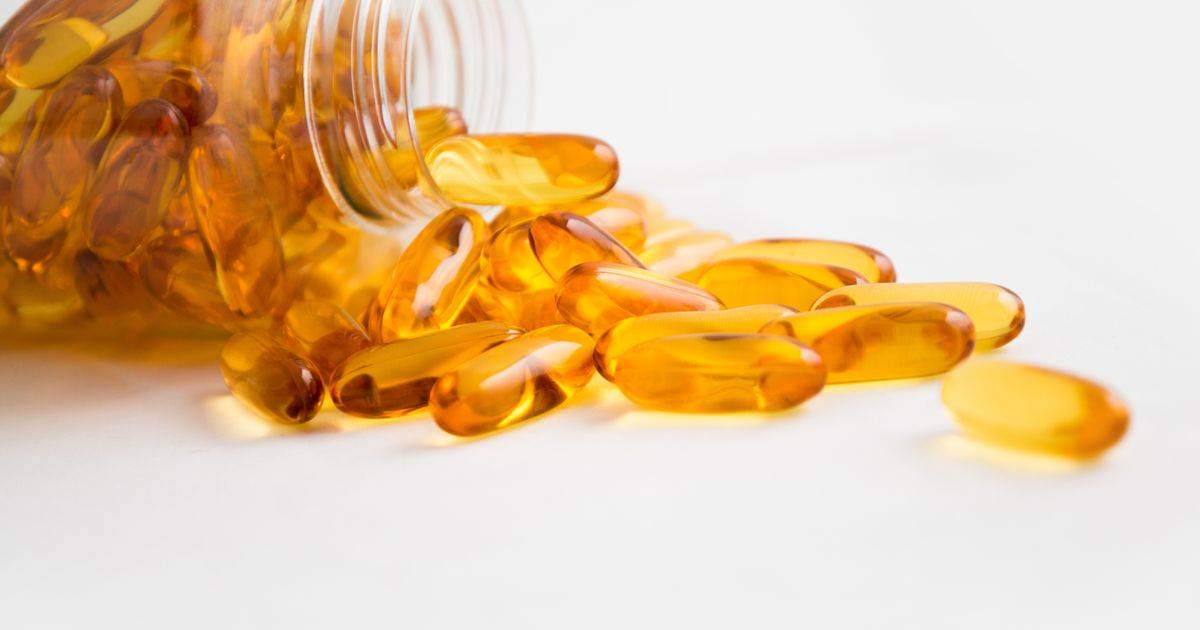
Explore Tocopheryl Acetate benefits and side effects, common supplement forms, safety precautions, and recommended dosage guidelines.
Tocopheryl Acetate is a synthetic ester form of vitamin E that combines alpha-tocopherol with acetic acid. Known for its high stability and long shelf life, it is a primary ingredient in dietary supplements, fortified foods, and cosmetic formulations. Unlike pure tocopherol, this compound resists oxidation caused by exposure to air, light, and heat, ensuring consistent potency over time. Once absorbed by the body, enzymes convert it back into active vitamin E to perform essential biological functions.
People frequently use a Tocopheryl Acetate supplement to support immune system health, skin integrity, and cellular defense against oxidative stress. It plays a critical role in neutralizing free radicals that can damage tissues and contribute to premature aging. While generally safe for standard daily intake, high doses can increase bleeding risks or interfere with certain blood-thinning medications. It is always wise to consult a healthcare professional before starting high-strength supplementation.
Tocopheryl Acetate Essentials
Common Forms and Recommended Dosage
| FORM | TYPICAL DOSAGE RANGE |
|---|---|
| Oral Softgels | 15 mg to 268 mg (22.4 IU to 400 IU) |
| Oral Liquid Drops | 15 mg daily |
| Topical Creams | 0.5% to 5% concentration |
Main Health Benefits of Tocopheryl Acetate
- Provides potent antioxidant protection against free radical damage
- Supports immune system function and overall cellular resistance
- Promotes skin health, hydration, and moisture retention
- Helps maintain cardiovascular health and vessel integrity
- Offers greater stability and longer shelf life than unesterified vitamin E
Frequently Asked Questions
Tocopheryl Acetate is a stable form of vitamin E created by joining alpha-tocopherol with acetic acid. Inside the body, enzymes break the ester bond, releasing active vitamin E to protect cells from oxidative stress and support metabolic functions.
The primary benefits include antioxidant protection, immune support, and skin health enhancement. Side effects are rare at recommended dietary levels, but very high doses may cause stomach discomfort, fatigue, or an increased risk of bleeding.
Yes, taking a Tocopheryl Acetate supplement within recommended dietary allowances is considered safe for healthy adults. However, taking excessively high oral doses over long periods should be avoided without medical supervision.
Tocopheryl Acetate is an esterified form designed to prevent oxidation in packaging. Unesterified natural vitamin E can degrade more quickly when exposed to air and light, whereas Tocopheryl Acetate remains stable until ingested or absorbed.
The Recommended Dietary Allowance for adult vitamin E is 15 mg (about 22.4 IU) per day. Supplemental doses often range higher, up to 268 mg (400 IU), but medical advice is recommended before exceeding the upper limit of 1,000 mg daily.