
Nettle Root

Urtica dioica
Also known as: Stinging Nettle Root, Urtica Dioica Root, Common Nettle Root
Nettle Root is a botanical supplement widely used to support prostate health, urinary tract function, and balanced hormone interactions in men.
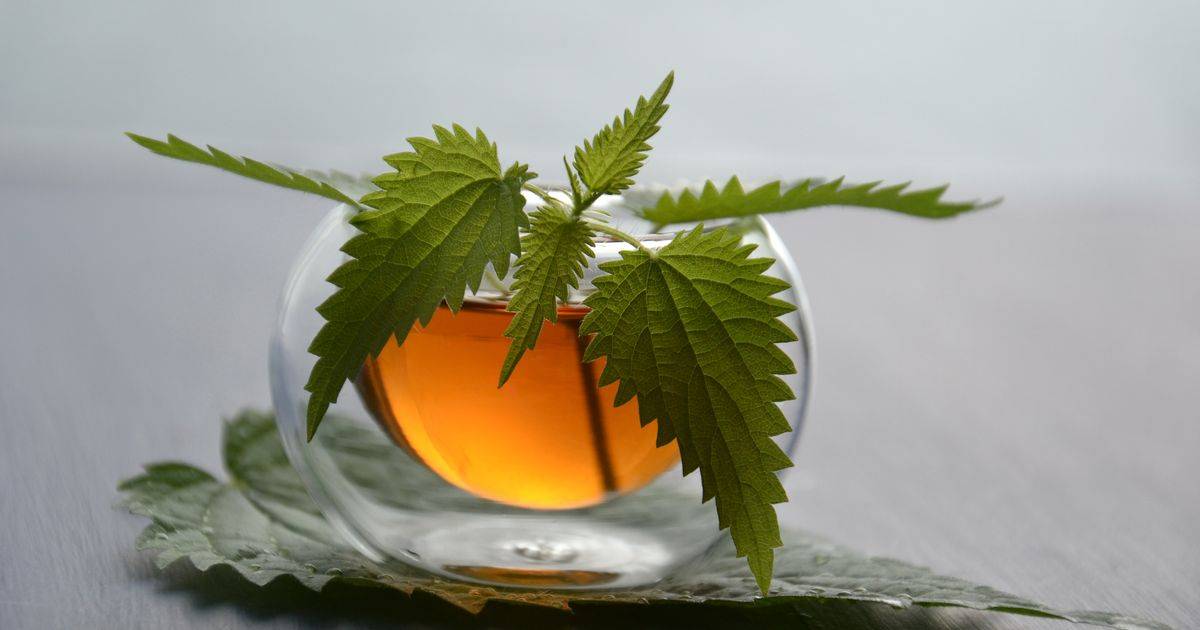
Learn about Nettle Root benefits and side effects, its role in prostate and urinary health, hormone mechanisms, recommended dosage, and safety considerations.
Nettle Root, derived from the botanical plant Urtica dioica, has a long history of use in traditional European herbalism. While the leaf of the stinging nettle plant is frequently utilized for joint discomfort and seasonal allergy relief, the root is specifically prized for male reproductive health, hormonal balance, and urinary system support. Modern scientific interest focuses on how Nettle Root interacts with hormones and prostate tissue, particularly regarding lower urinary tract symptoms associated with benign prostatic hyperplasia (BPH).
Supplements derived from Nettle Root are popular among men seeking natural urinary flow support and prostate wellness. Compounds within the root appear to influence sex hormone-binding globulin (SHBG) and key enzymes involved in hormone conversion. Because individual health needs vary and herbs can interact with existing medications, always consult a qualified healthcare professional before adding Nettle Root to your daily wellness regimen.
Nettle Root Quick Reference
Available Forms and Typical Dosage
| FORM | TYPICAL DOSAGE RANGE |
|---|---|
| Standardized Extract Capsules | 300 to 600 mg daily |
| Fluid Extract (1:1) | 1.5 to 3 mL daily |
| Dry Root Powder | 600 to 1,200 mg daily |
| Root Tincture (1:5) | 2 to 5 mL daily |
Key Health Benefits of Nettle Root

- Supports normal urinary tract flow and reduces nocturnal urinary frequency
- Helps ease lower urinary tract symptoms associated with benign prostatic hyperplasia (BPH)
- Interacts with sex hormone-binding globulin (SHBG) to support balanced free hormone levels
- Inhibits key enzymes like aromatase involved in hormone conversion in prostate tissue
- Provides natural plant compounds including protective lignans and phytosterols
- Promotes overall prostate tissue wellness and urinary bladder comfort
Frequently Asked Questions
Nettle Leaf is primarily used to support seasonal allergy management, respiratory health, and joint comfort. In contrast, Nettle Root contains distinct phytosterols and lignans that specifically target prostate tissue, urinary tract function, and hormone regulation.
Nettle Root compounds interact with sex hormone-binding globulin (SHBG) and inhibit enzymes such as 5-alpha-reductase and aromatase. This mechanism helps regulate the binding and conversion of sex hormones, promoting healthy prostate tissue function.
Nettle Root is generally well tolerated by most individuals. Mild side effects can occasionally include light digestive upset, stomach irritation, or mild fluid loss due to its slight diuretic properties.
Yes, Nettle Root may interact with certain medications, including blood thinners, blood pressure drugs, diabetes treatments, and diuretic prescription medications. You should consult your doctor before combining Nettle Root with prescription drugs.
Herbal supplements like Nettle Root typically require consistent daily use over several weeks to display noticeable benefits for urinary flow and prostate support. Most traditional uses suggest evaluating effects after 4 to 8 weeks of regular use.