
Lavender Oil

Lavandula angustifolia
Also known as: English Lavender Oil, True Lavender Oil
Lavender Oil is a versatile botanical extract used in aromatherapy, topical care, and oral softgels to promote relaxation, ease mild stress, and support healthy sleep patterns.
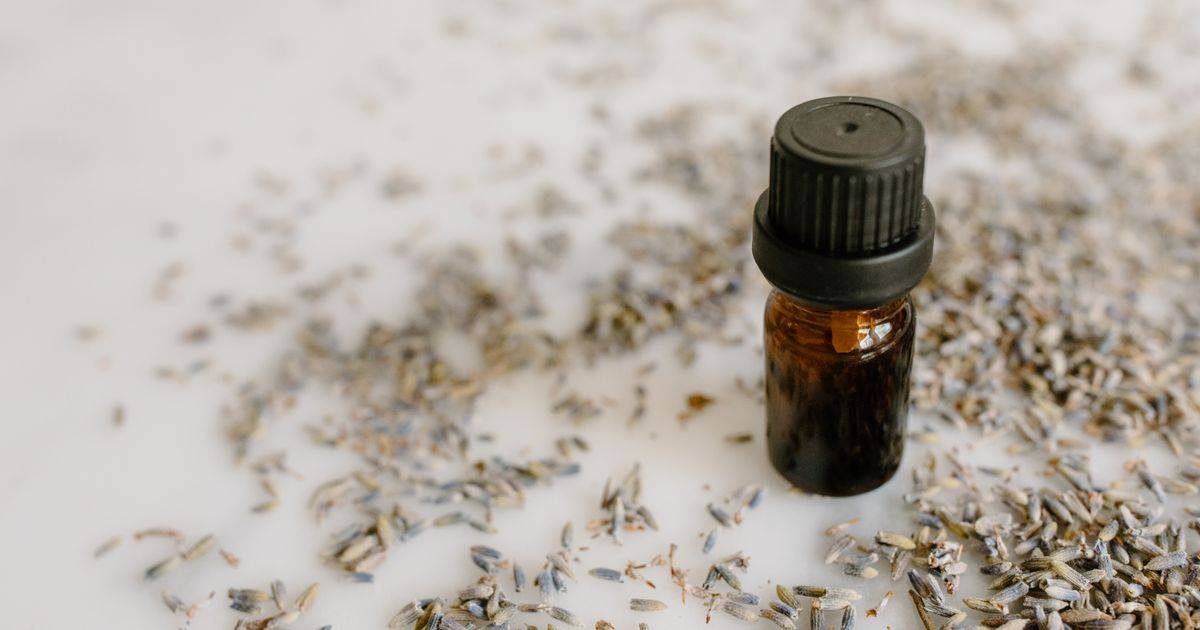
Learn about Lavender Oil benefits and side effects, recommended supplement dosages, available forms, and safety guidelines for stress and sleep.
Lavender Oil, extracted primarily from the flowering tops of Lavandula angustifolia, is a celebrated botanical essential oil widely recognized for its calming, soothing properties. For centuries, people have relied on lavender to help manage daily stress, encourage restful sleep, and promote an overall sense of relaxation. Modern wellness practices utilize lavender essential oil in various formats, including topical applications, aromatherapy diffusers, and specialized oral softgel supplements standardized for internal use.
While lavender essential oil is generally well tolerated, understanding proper administration and potential safety considerations is essential. Oral softgels are formulated differently from liquid essential oils, which should never be ingested directly without appropriate pharmaceutical preparation. As with any botanical supplement, it is wise to consult a healthcare practitioner before adding lavender oil to your routine, especially if you take sedatives or if underlying health conditions exist.
Lavender Oil Profile: Essential Facts
Available Forms and Typical Dosage
| FORM | TYPICAL DOSAGE RANGE |
|---|---|
| Oral Softgels | 80 mg daily |
| Aromatherapy Diffusion | 3 to 5 drops |
| Topical Preparation | 1 to 2 drops (diluted) |
Key Benefits of Lavender Oil
- Helps ease feelings of temporary stress and mild anxiety
- Supports healthy sleep quality and restful night routines
- Promotes mental relaxation and emotional calm
- Soothes skin when properly diluted in topical preparations
- Provides gentle aromatherapeutic calming benefits
Frequently Asked Questions
Lavender Oil is widely recognized for promoting relaxation, supporting restful sleep, and easing mild stress. When taken as an oral softgel or used in aromatherapy, it is generally well tolerated. However, potential side effects may include mild digestive upset, temporary lavender-flavored burping, or drowsiness. Topical use can occasionally cause skin irritation if the oil is not properly diluted.
No, standard concentrated lavender essential oils meant for diffusers should never be swallowed directly. Internal use requires specifically formulated oral softgel supplements that contain pharmaceutical-grade, properly diluted lavender oil designed for safe digestion.
The typical recommended dosage for standardized oral lavender softgels is 80 mg taken once daily with a glass of water. Always follow the product label instructions or guidance from a healthcare provider.
Yes, because lavender oil has natural calming and sedative properties, it may interact with prescription sedatives, central nervous system depressants, or sleep aids. Combining them may increase drowsiness. Consult a doctor before combining lavender supplements with medications.
For skin application, concentrated lavender essential oil must always be diluted in a carrier oil, such as jojoba, coconut, or sweet almond oil. Perform a patch test on a small area of skin first to check for sensitivity or allergic reaction.