
Inulin

Cichorium intybus (Chicory root extract)
Also known as: Chicory root fiber, Prebiotic fructan, Fructooligosaccharide (FOS)
Inulin is a soluble prebiotic fiber derived naturally from plants like chicory root that nourishes beneficial gut bacteria and supports digestive regularity.
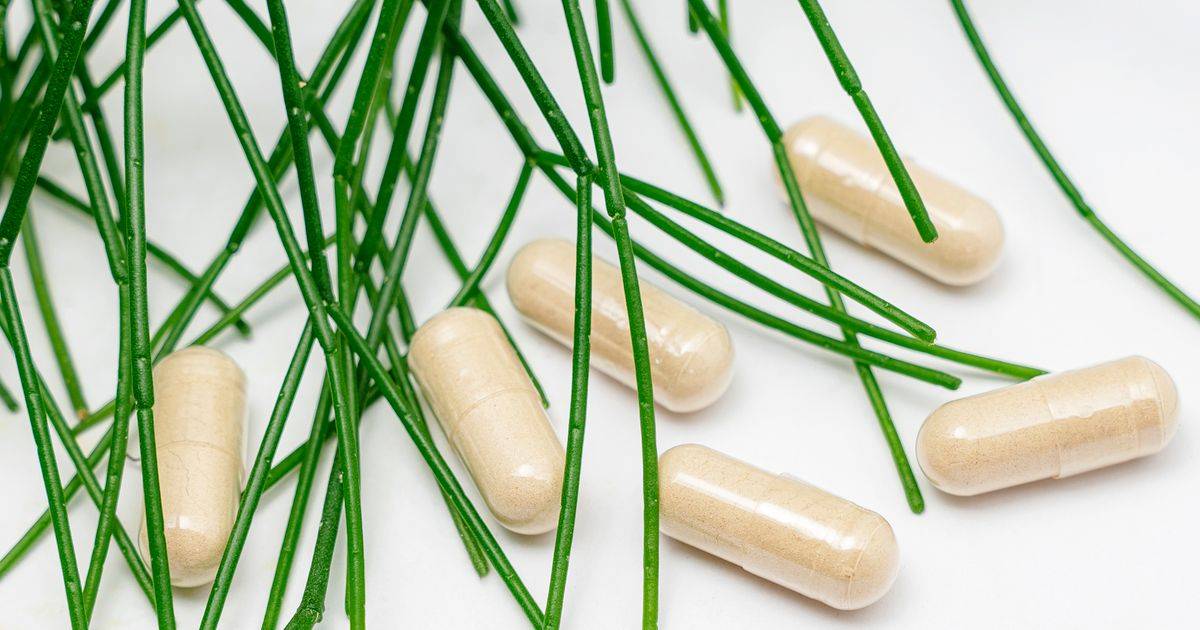
Discover essential inulin benefits and side effects, common supplement forms, daily dosage tips, and safety considerations for gut health.
Inulin is a soluble prebiotic dietary fiber naturally present in plants such as chicory root, Jerusalem artichoke, dandelion greens, and garlic. Because the human digestive system cannot break down inulin in the upper gastrointestinal tract, it passes into the colon intact. There, it serves as an essential food source for beneficial gut bacteria, particularly Bifidobacteria, helping to nourish a healthy microbial environment.
People frequently use an inulin supplement to enhance digestive regularity, support metabolic wellness, and promote gut health. By encouraging the growth of friendly microflora, inulin helps maintain optimal bowel function and supports overall immune and metabolic health. However, because fiber intake can significantly affect gastrointestinal comfort, individuals with pre-existing digestive conditions should consult a doctor before introducing inulin into their daily routine.
Inulin Overview and Essential Facts
Inulin Supplement Forms and Typical Dosage
| FORM | TYPICAL DOSAGE RANGE |
|---|---|
| Soluble Powder | 2 - 5 grams daily |
| Capsules | 1,000 - 3,000 mg daily |
| Gummies | 2 - 4 grams daily |
Key Health Benefits of Inulin
- Nourishes beneficial gut microbiota such as Bifidobacteria
- Supports bowel regularity and digestive comfort
- Promotes feelings of satiety to assist weight management
- Helps maintain healthy blood sugar levels already within normal range
- Enhances mineral absorption, particularly calcium
Frequently Asked Questions
Inulin is a natural soluble dietary fiber classified as a prebiotic. It resists digestion in the stomach and small intestine, traveling straight to the colon where beneficial gut bacteria ferment it into short-chain fatty acids that nourish the intestinal lining.
Key benefits include improved digestive regularity, better calcium absorption, and support for healthy gut flora. Common side effects include mild digestive upset such as gas, bloating, abdominal cramps, and loose stools, especially when taken in high doses initially.
It is best to start with a low dose, such as 1 to 2 grams daily, and gradually increase intake over several weeks. Drinking plenty of water helps your digestive system adapt to increased soluble fiber intake smoothly.
Inulin safety is well established for most healthy adults. However, individuals with Irritable Bowel Syndrome (IBS) or sensitivity to high-FODMAP foods may experience severe bloating or distress and should consult a healthcare provider before using inulin.
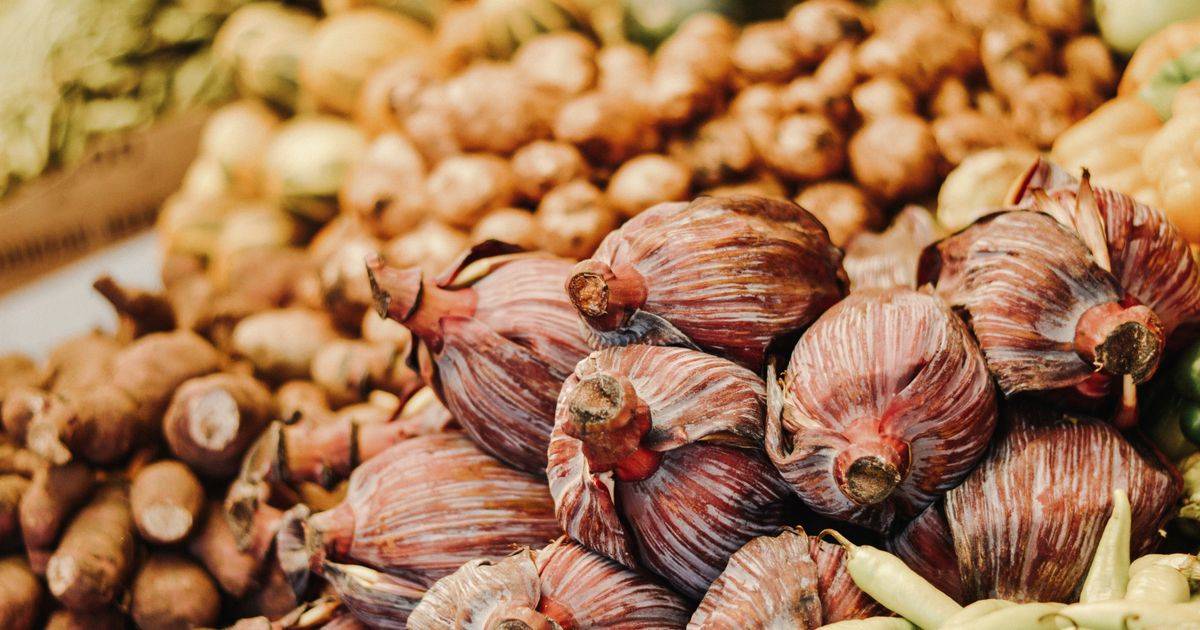
Yes, eating foods rich in chicory root, Jerusalem artichokes, garlic, onions, leeks, and bananas provides natural inulin. Concentrated supplements offer a convenient way to achieve consistent daily fiber targets.