
Hyaluronic Acid

Hyaluronan
Also known as: Hyaluronate, Sodium Hyaluronate, HA
Hyaluronic acid is a vital biological compound that retains moisture in skin, joints, and connective tissues to support flexibility and hydration.

Learn about Hyaluronic Acid benefits and side effects, common dosages, oral supplement forms, and joint hydration applications.
Hyaluronic acid is a naturally occurring glycosaminoglycan found throughout the human body, particularly in connective tissues, skin, joints, and eyes. Renowned for its remarkable ability to attract and retain up to one thousand times its weight in water, this compound plays a vital role in maintaining tissue hydration, skin elasticity, and joint cushioning. As natural levels decrease with age, many individuals turn to oral supplements, topical serums, and targeted therapies to support healthy aging and mobility.
Understanding Hyaluronic Acid benefits and side effects can help you determine if oral supplementation fits your personal wellness routine. While oral products support systemic hydration, topical preparations focus on outer skin layers and injectable forms address severe joint concerns. Before starting any new supplement regimen, it is advisable to consult a healthcare professional, especially if you have pre-existing medical conditions, allergies, or are pregnant or nursing.
Hyaluronic Acid Profile and Quick Facts
Hyaluronic Acid Supplement Forms and Typical Dosage
| FORM | TYPICAL DOSAGE RANGE |
|---|---|
| Oral Capsules & Tablets | 120 mg to 240 mg daily |
| Liquid Oral Supplements | 100 mg to 200 mg daily |
| Topical Serums | 1% to 2% concentration |
Key Benefits of Hyaluronic Acid
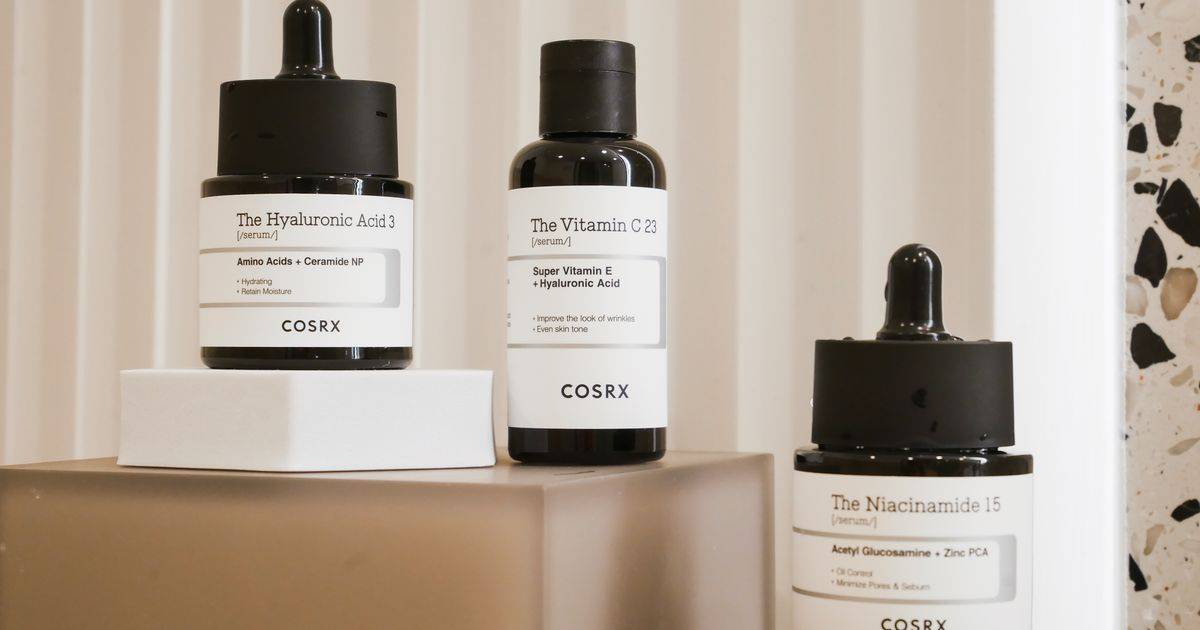
- Promotes deep skin hydration and natural elasticity
- Supports joint lubrication and comfortable movement
- Helps maintain moisture retention in connective tissues
- Complements collagen for overall structural skin support
- Soothes dry eyes when formulated in ophthalmic drops
Frequently Asked Questions
The main benefits include enhanced skin moisture, improved joint lubrication, and overall tissue hydration support. Side effects are rare and generally mild when taken orally, though some individuals may experience minor digestive discomfort or localized irritation from topical formulas.
Oral supplements work systemically to support joint fluid and deeper tissue layers from within the body. Topical serums focus primarily on hydrating the outer dermal layers to improve skin texture and surface smoothness.
Most clinical evaluations use oral dosages between 120 mg and 240 mg per day. It is best to follow product label instructions or consult a healthcare practitioner to determine the ideal amount for your needs.
Yes, hyaluronic acid has a strong safety profile because it is a molecule naturally produced by the human body. Oral supplementation is generally well tolerated for long-term daily use when taken as directed.
Individuals with a history of severe allergic reactions, those with active cancer diagnoses, and women who are pregnant or nursing should consult a physician before using hyaluronic acid supplements.