
Ginger Root Extract

Zingiber officinale
Also known as: Ginger, Ginger Rhizome, African Ginger, Black Ginger
Ginger Root Extract is a popular botanical supplement valued for soothing digestive discomfort, reducing motion and morning sickness, and supporting joint comfort through its natural antioxidant and anti-inflammatory active compounds.
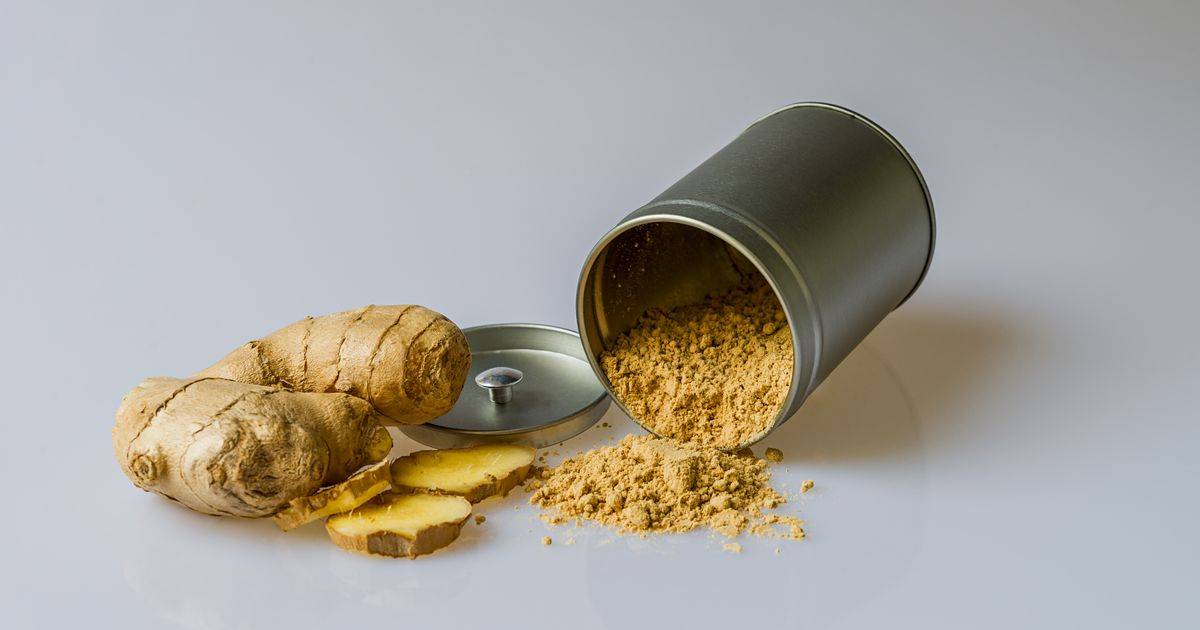
Discover the key Ginger Root Extract benefits and side effects, optimal dosages, active compounds, and safety tips for digestion and joint support.
Ginger Root Extract, derived from the rhizome of Zingiber officinale, is a time-tested botanical used for centuries across culinary and traditional wellness practices. Valued globally for its distinct aroma and soothing properties, this versatile herb continues to be a staple in modern herbal medicine. Individuals commonly use Ginger Root Extract supplement products to support digestive health, ease mild nausea, and promote overall gastrointestinal comfort.
Beyond digestion, modern research highlights its role in encouraging a healthy inflammatory response and supporting joint flexibility and comfort. The primary active constituents responsible for these effects are gingerols and shogaols, bioactive compounds known for their antioxidant activity. While generally recognized as safe for most adults, it is advisable to consult a healthcare professional before adding new supplements to your routine, especially if you take blood-thinning medications or have underlying digestive conditions.
Ginger Root Extract Overview
Ginger Root Extract Forms and Typical Dosage
| FORM | TYPICAL DOSAGE RANGE |
|---|---|
| Standardized Extract Capsules | 250 mg to 1,000 mg daily |
| Raw Powdered Root | 1,000 mg to 2,000 mg daily |
| Liquid Extract / Tincture | 1 mL to 2 mL (20 to 40 drops) |
| Nausea / Motion Support | 500 mg to 1,000 mg |
Evidence-Based Benefits of Ginger Root Extract
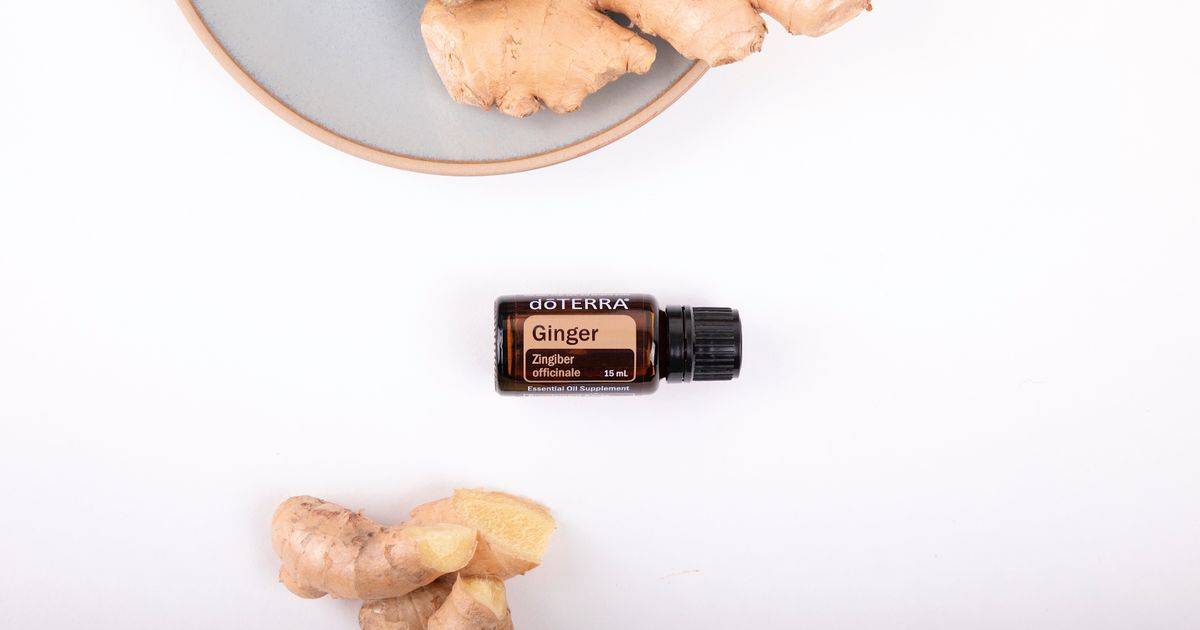
- Promotes overall gastrointestinal comfort and smooth digestion
- Helps reduce occasional nausea, motion sickness, and morning sickness
- Supports a healthy inflammatory response throughout the body
- Promotes joint comfort, flexibility, and physical mobility
- Provides natural antioxidant protection against cellular oxidative stress
- Helps ease mild stomach upset and occasional bloating
Frequently Asked Questions
Ginger Root Extract is best known for supporting digestive comfort, easing mild nausea, and promoting joint flexibility. When taken in recommended amounts, side effects are usually mild but can include heartburn, abdominal discomfort, gas, or a slight burning mouth sensation.
Ginger Root Extract supplements are typically taken orally in capsule, softgel, or liquid form. It is generally best to consume them with meals to minimize the likelihood of mild stomach upset or heartburn.
A standard daily dosage of standardized Ginger Root Extract ranges from 250 mg to 1,000 mg. For powdered root, doses between 1,000 mg and 2,000 mg per day are common, often divided across two or three smaller meals.
Regarding Ginger Root Extract safety, high doses may interact with blood thinners, antiplatelet drugs, and blood pressure medications. Individuals with gallstones or severe acid reflux should speak with a healthcare provider before starting supplementation.
Ginger is frequently used to help manage mild morning sickness, but pregnant women should always consult their physician to determine the appropriate dosage and ensure safe use during pregnancy.