
Berberine

Berberis vulgaris
Also known as: Barberry alkaloid, Berberine HCl, Berberine Phytosome
Berberine is a powerful plant-derived alkaloid that supports healthy glucose metabolism, blood lipid balance, and overall cardiovascular function by activating the AMPK pathway.
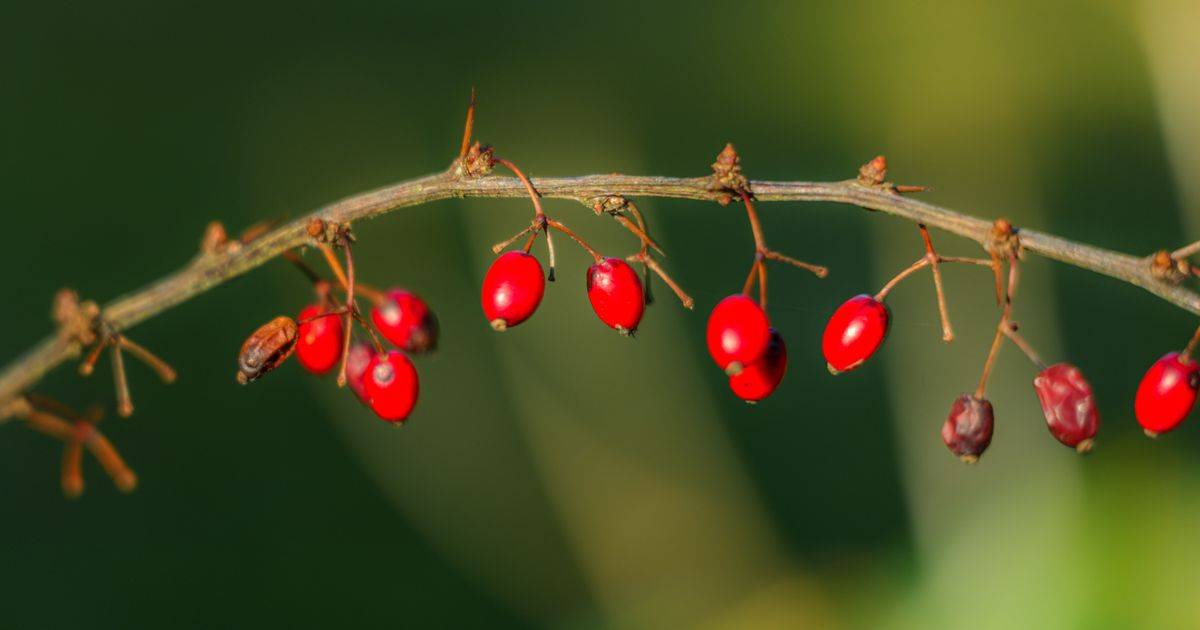
Discover Berberine benefits and side effects, recommended daily dosage, common supplement forms, and key medical considerations in this detailed guide.
Berberine is a bioactive alkaloid compound extracted from several traditional botanical sources, including European barberry, goldenseal, Oregon grape, and tree turmeric. Easily identified by its vibrant yellow color, berberine has a long history of use in traditional wellness systems across Asia and Europe. In modern nutrition, it is widely recognized for its ability to support metabolic health and assist in maintaining healthy blood sugar balance.
The primary way berberine operates in the body is through the activation of an enzyme called AMP-activated protein kinase, often referred to as AMPK. By stimulating this metabolic pathway, berberine helps regulate cellular energy, carbohydrate breakdown, and lipid processing. Because berberine exerts strong biological effects, particularly on blood glucose and blood pressure, consulting a qualified healthcare professional before beginning a new supplement regimen is strongly recommended.
Berberine Overview and Quick Facts
Common Berberine Forms and Typical Dosage
| FORM | TYPICAL DOSAGE RANGE |
|---|---|
| Berberine HCl Capsules | 500 mg, 2 to 3 times daily |
| Berberine Phytosome | 500 mg, 1 to 2 times daily |
| Berberine Powder | 500 mg per serving |
| Liquid Extract | 1 to 2 mL daily |
Key Berberine Benefits for Health
- Supports healthy glucose metabolism and blood sugar balance already within a normal range
- Activates AMPK to assist in regulating cellular energy production
- Promotes healthy blood lipid levels and cholesterol balance
- Encourages a favorable gut microbiome and supports digestive system function
- Offers antioxidant properties to help protect tissues against oxidative stress
- Assists in maintaining vascular health and normal blood pressure levels
Frequently Asked Questions
Berberine is a naturally occurring alkaloid found in plants like barberry and goldenseal. It works primarily by activating an enzyme called AMP-activated protein kinase (AMPK), which acts as a master regulator of cellular energy and helps coordinate carbohydrate and fat metabolism.
Key benefits include support for metabolic health, healthy blood sugar levels, and lipid balance. Common side effects are mostly digestive, such as stomach cramping, diarrhea, constipation, or gas, particularly when initiating use or taking large single doses.
A standard daily routine often involves taking 500 mg of Berberine HCl two or three times per day, totaling 1,000 mg to 1,500 mg daily. Spreading the dosage across meals helps optimize tolerance and absorption.
Yes, berberine can interact with medications designed to lower blood glucose, blood pressure treatments, and drugs metabolized by liver enzymes like CYP3A4. Always discuss berberine supplementation with a doctor if taking any prescription drugs.
While berberine is commonly used for periods of three to six months, long-term continuous use should be managed under professional guidance. Periodic breaks are often recommended to evaluate ongoing benefits and digestive comfort.