
Why Knees Hurt After 40: Causes and Joint Health Tips

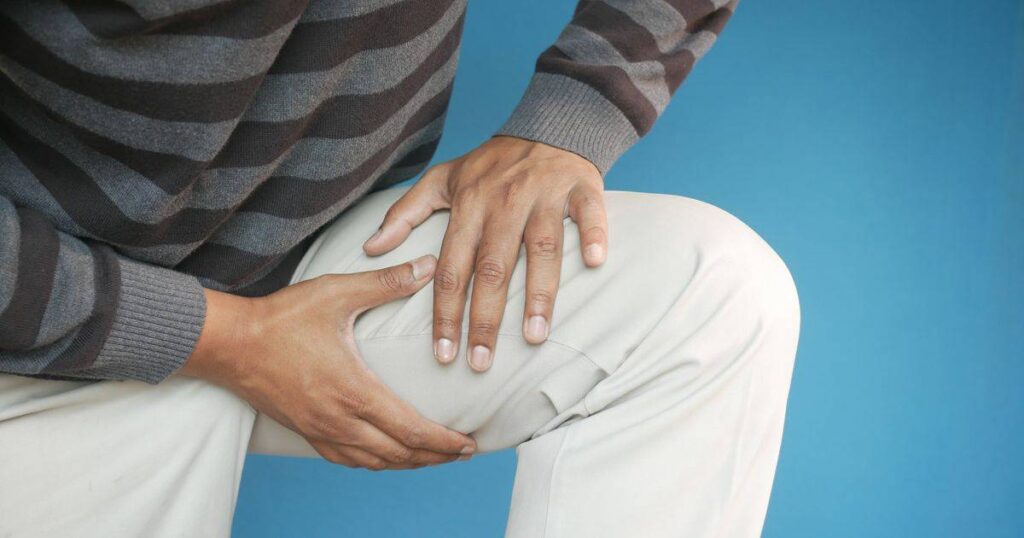
Discover why knees hurt after 40 and learn about cartilage aging, joint wear and tear, plus smart strategies to stay active and protect your mobility.
Turning 40 is a major biological milestone, but it often comes with an unexpected gift: stiff, aching knees when getting out of bed or walking down stairs. If you have noticed that your joints seem to creak or throb more frequently now that you are in your fifth decade, you are certainly not alone. Many people wonder why knees hurt after 40, especially if they have maintained an active lifestyle and eaten a balanced diet. The truth is that joint discomfort at this stage of life is a natural, widely experienced biological occurrence. It is not necessarily a sign of permanent damage or a signal to stop moving entirely. Instead, it reflects a shift in how your body maintains its connective tissues, manages inflammation, and responds to daily physical demands. Understanding the underlying mechanisms behind age-related joint changes empowers you to make proactive adjustments that protect your mobility for decades to come.
Biological Changes: Understanding Cartilage and Joint Aging
To understand why joint discomfort becomes more pronounced in your 40s, it helps to look inside the structure of the knee itself. The knee joint relies heavily on smooth, resilient cartilage, a tough tissue that covers the ends of your bones and prevents them from grinding together. Over four decades of movement, this biological shock absorber undergoes gradual cartilage degradation aging. Cartilage has a limited blood supply, which means its natural repair processes are relatively slow. By the time you reach middle age, years of microscopic compression cause cartilage to thin and lose some of its original elasticity.
Compounding this structural change is a drop in the production of synovial fluid. Synovial fluid serves as the body's built-in joint lubricant, providing essential nutrients to cartilage while reducing friction during movement. As you age, your body produces less of this fluid, and its consistency can become thinner. With reduced fluid lubrication and thinner cartilage padding, the knee joint experiences higher levels of internal friction. This biological transition explains why simple actions like squatting, kneeling, or climbing steps can suddenly produce a deep, dull ache or an unnerving grinding sensation inside the joint.
Decades of Accumulated Stress: The Impact of Daily Wear and Tear
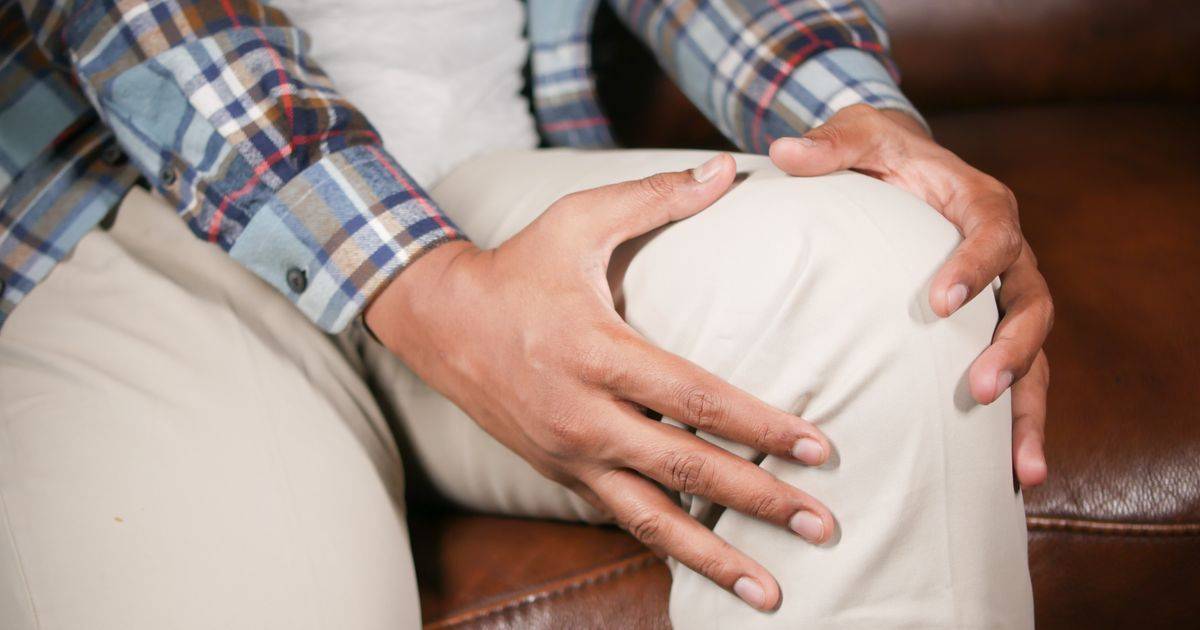
While subtle biological changes set the stage, decades of physical activity play a huge role in joint comfort. Every step you take, every flight of stairs you climb, and every heavy box you carry exerts pressure on your knee joints. By age 40, your knees have absorbed millions of impacts. This joint wear and tear 40s adults experience is cumulative. Even if you were never a competitive athlete, the simple physics of daily life steadily adds up over time.
Past physical events also return to haunt middle-aged joints. Minor knee sprains, twisting injuries from rec-league sports, or old fitness injuries that felt completely healed in your twenties often leave behind subtle scar tissue or micro-traumas. While these issues may have remained dormant for years, age-related cartilage thinning unmasks them. Additionally, minor biomechanical alignment issues, such as slight flat feet or mild hip imbalances, cause uneven pressure distribution across the knee. Over forty years, this uneven load creates localized spots of friction, leading to persistent aches in specific areas of the joint.
Decreasing Muscle Mass and Tendon Flexibility
Your knee joint does not work in isolation; it depends on a supportive network of muscles, tendons, and ligaments to remain stable and functional. Beginning around age 30, adults naturally lose muscle mass and strength in a process known as age-related sarcopenia. By your 40s, this loss of muscle tone becomes noticeable, particularly in the quadriceps and hamstrings. When these major leg muscles weaken, they lose their ability to act as effective shock absorbers, transferring extra mechanical load directly into the knee joint.
Simultaneously, the connective tissues surrounding the joint undergo structural changes. Tendons and ligaments lose collagen content and water binding capacity as the body ages. This reduction in collagen makes connective tissue stiffer, less elastic, and more prone to tightness. Stiffer tendons cannot absorb impact forces as effectively during physical activity, causing extra strain on the joint capsule. When weakened leg muscles are combined with tight, inflexible tendons, the knee is forced to bear undue structural stress, resulting in the classic morning stiffness and post-workout soreness that so many people experience after turning 40.
Weight Adjustments and Hormonal Shifts in Middle Age
Middle age often brings subtle metabolic shifts that directly influence joint health. As basal metabolic rate gradually slows down in your 40s, many adults experience modest weight gain, particularly around the midsection. Even a small increase in body weight creates a dramatic multiplication of force across the knees. When walking on flat ground, your knees experience a load equivalent to roughly three to four times your total body weight. Therefore, gaining just five pounds adds up to twenty pounds of extra pressure on your knees with every single step.
Hormonal changes also play a significant, often overlooked role in joint comfort, particularly for women entering perimenopause. Estrogen exerts a protective effect on musculoskeletal health by regulating collagen production and suppressing systemic inflammation. As estrogen levels begin to fluctuate and decline in a woman's 40s, joint tissues lose structural density, and systemic low-grade inflammation can increase. This hormonal shift can make joints feel noticeably stiffer and more prone to swelling. Metabolic changes, combined with subtle systemic inflammation, create an environment where joint tissues become far more sensitive to daily stress.
The 'Weekend Warrior' Effect and Sedentary Work Routines
Modern lifestyle patterns frequently exacerbate knee problems in middle age. Many 40-somethings spend forty hours a week sitting at a desk, looking at computers, or driving. Prolonged sitting causes the hip flexors to shorten and tighten while causing the gluteal muscles to become inactive. When you stand up from a long day at work, tight hips and inactive glutes force the knees to compensate, throwing off your lower body's natural alignment and mechanics.
The problem worsens when sedentary work routines are paired with intense, sporadic physical activity, a phenomenon known as the weekend warrior effect. Trying to compress a week's worth of strenuous exercise into a fast Saturday morning run or an intense weekend soccer game places massive demands on cold, unconditioned joints. Without gradual conditioning and consistent movement, sudden high-intensity effort overloads stiff tendons and fragile cartilage. This mismatch between weekly inactivity and weekend intensity is one of the primary reasons why knees hurt after 40, leading to recurrent cycles of inflammation and recovery.
Practical Strategies to Support and Protect Your Knees
Addressing joint discomfort in your 40s does not mean giving up an active life; rather, it requires adopting smarter movement habits. Transitioning to low-impact cardiovascular activities can keep your heart and joints healthy without causing excessive friction. Incorporating structured physical habits into your weekly routine can pay dividends for joint longevity:
- Choose low-impact sports like swimming, cycling, rowing, or using an elliptical trainer to reduce joint compression.
- Perform targeted resistance exercises for the quadriceps, hamstrings, and glutes to build structural joint support.
- Engage in dynamic warm-ups and mobility routines before exercise to promote synovial fluid production.
- Wear supportive, well-cushioned footwear designed for your specific arch type and activity level.
- Eat an anti-inflammatory diet rich in omega-3 fatty acids, colorful vegetables, and antioxidant-rich foods.
Always consult a qualified doctor or physical therapist before starting a new exercise program or if you experience severe, continuous, or sharp joint pain. Professional evaluation ensures that you address underlying biomechanical issues safely without risking further tissue damage.
Moving Forward with Healthy Joints in Your 40s and Beyond
Experiencing joint discomfort in your 40s is a common biological milestone, but it should never be viewed as an inevitable decline into chronic pain. By understanding the underlying mechanics of cartilage aging, muscle loss, and physical stress, you can take meaningful steps to protect your knees. Simple adjustments, such as staying consistently active, building supporting muscle groups, and honoring proper recovery, make a remarkable difference in preserving joint longevity. Prioritize your mobility today so you can continue enjoying an active, fulfilling lifestyle for decades to come.
Frequently Asked Questions
While age-related changes like cartilage thinning and reduced fluid lubrication are natural biological processes, severe pain is not inevitable. Proactive strength training, maintaining a healthy weight, and staying mobile can keep knees healthy and pain-free.
Activities like swimming, stationary cycling, walking on soft surfaces, and using an elliptical machine are excellent. They strengthen supporting muscles and promote joint circulation without subjecting cartilage to harsh impact forces.
Overnight, synovial fluid production slows down and joints remain stationary, allowing mild inflammatory fluids to pool in the joint capsule. Gentle movement warms up the fluid and reduces morning stiffness within a few minutes.
Yes. Estrogen helps protect joint tissues and manage systemic inflammation. As estrogen levels drop during perimenopause, many women experience increased joint stiffness, mild swelling, and connective tissue discomfort.
You should see a healthcare professional if you experience sudden, severe pain, joint instability, visible swelling, inability to bear weight, or pain that persists for several weeks despite rest and self-care.