
Why Hair Thinning After 30 Happens and How to Stop It

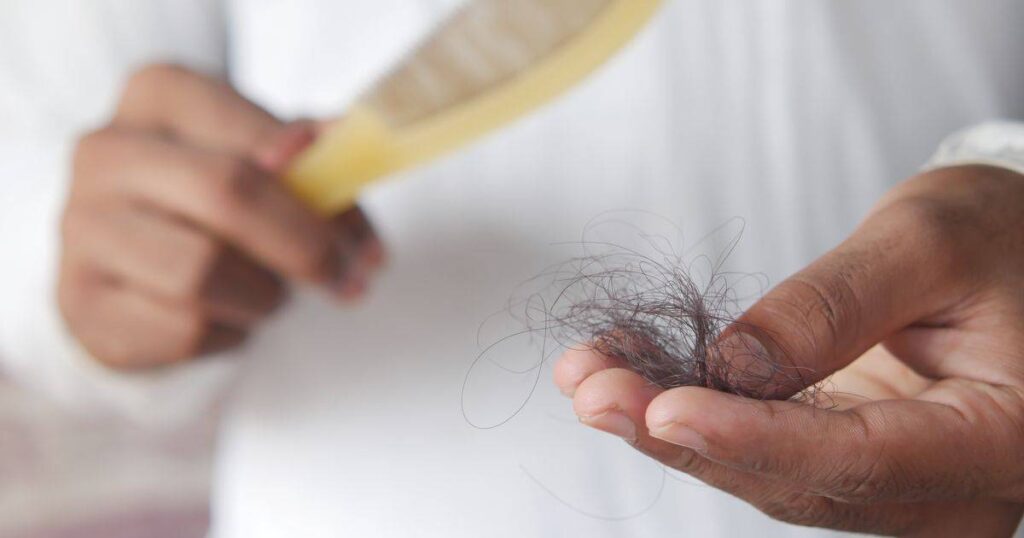
Discover why hair thinning after 30 occurs. Learn about hormones, genetics, stress, and lifestyle factors affecting your hair growth and overall scalp health.
Entering your 30s brings a host of rewarding life shifts, but it can also bring unexpected physical changes. One of the most common surprises people notice during this decade is a subtle shift in their hair density. You might suddenly spot a wider part line in the bathroom mirror, notice your ponytail feels significantly less thick, or clean far more strands out of the shower drain than you used to. Finding out that your hair is losing its former volume can feel alarming, but understanding hair thinning after 30 is the first step toward taking control of your strand health.
Hair changes during your 30s are widespread, completely normal, and often very manageable. Rather than being caused by a single isolated issue, changes in hair density usually stem from a combination of biological, lifestyle, and environmental influences. By exploring how your body evolves during this decade, you can better identify the underlying reasons behind your changing texture and density.
Hormones in Flux: Dihydrotestosterone (DHT) and Aging
Hormones serve as primary chemical messengers regulating the natural hair growth cycle. As men and women enter their 30s, subtle hormonal shifts begin to influence how long hair remains in its active growth phase. A primary contributor to structural strand changes is dihydrotestosterone, commonly known as DHT. DHT is an androgen hormone derived from testosterone that can bind to androgen receptors in the scalp. Over time, elevated sensitivity to DHT causes hair follicles to undergo a process called miniaturization. During miniaturization, the hair follicle steadily shrinks, producing shorter, finer, and less pigmented strands until the follicle eventually stops producing hair altogether.
For women, the 30s often coincide with major reproductive events and changes. Postpartum hormonal shifts, stopping or changing oral contraceptives, and natural fluctuations in estrogen and progesterone levels can alter the delicate ratio of circulating hormones. When estrogen levels drop relative to endogenously produced androgens, DHT can exert a stronger impact on delicate scalp follicles. These shifting chemical signals represent one of the primary causes of hair thinning early 30s for both men and women alike.
Please note: Always consult your doctor or an endocrinologist before starting any hormonal therapies, birth control changes, or dietary supplements aimed at blocking DHT.
Understanding Genetic Factors and Pattern Hair Loss

Genetics play a foundational role in determining how your hair responds to aging and internal biochemical changes. For many individuals, their 30s are the decade when hereditary predispositions finally reveal themselves. The medical condition known as female male pattern hair loss, or androgenetic alopecia, is the most prevalent form of progressive hair loss worldwide. While this condition is often associated with older age, genetic hair thinning frequently makes its first noticeable appearance during early adulthood and gradually progresses through your 30s.
The visual presentation of genetic loss varies significantly between biological sexes due to differences in receptor density across the scalp:
- For Women: Androgenetic loss usually manifests as diffuse thinning across the top of the scalp and crown, often maintaining the front hairline while widening the central part.
- For Men: Pattern loss typically presents as a receding hairline at the temples combined with thinning around the crown or vertex.
Your family history determines how sensitive your individual hair follicles are to cellular signals. If your parents or grandparents experienced early density changes, your follicles may be genetically programmed to miniaturize earlier in life.
The Impact of Chronic Stress and Life Transitions
The 30s are frequently characterized by major life transitions, including career advancements, expanding family responsibilities, and increasing financial commitments. Chronic psychological and physical stress can profoundly disrupt normal physiological functions, including the hair growth cycle. High stress levels activate the body's sympathetic nervous system and trigger prolonged releases of cortisol, a stress hormone known to impair overall scalp microcirculation and extracellular matrix health.
When stress levels remain elevated over extended periods, it can trigger a condition called Telogen Effluvium. Under normal conditions, approximately 85 to 90 percent of your hair strands reside in the active growth phase, while the remaining percentage rests. Severe or chronic stress shocks a much larger percentage of active hair follicles into the resting phase simultaneously. Approximately three months after the stressful event occurs, these resting hair strands shed en masse. This significant delay between the stressful trigger and visible hair fall often makes it challenging for individuals to connect their stress levels with sudden hair shedding.
Nutritional Deficiencies and Metabolic Changes
Your body prioritizes vital organs like the heart, brain, and liver over non-essential structures like hair follicles. Consequently, when essential nutritional reserves run low, hair cells are among the first to be deprived of necessary building blocks. During your 30s, busy schedules, demanding work hours, and restrictive crash diets can easily lead to subtle micronutrient gaps that compromise optimal hair development.
Key micronutrients vital for sustaining robust hair follicle activity include:
- Iron and Ferritin: Essential for oxygen transport to growing hair matrix cells; low ferritin stores are a leading non-genetic cause of shedding.
- Vitamin D: Plays a vital role in initiating new hair follicle cycles and maintaining proper cellular turnover.
- Zinc: Crucial for protein synthesis, RNA production, and tissue repair within the hair bulb.
- Dietary Protein: Provides necessary amino acids, such as cysteine and methionine, required to build strong keratin structures.
As metabolic efficiency naturally shifts with age, nutrient absorption in the digestive tract can gradually decline. Ensuring consistent nutrient density is vital for keeping hair in its growth phase.
Please note: Speak with your primary care physician to obtain comprehensive blood testing before introducing high-dose vitamin or mineral supplements into your daily routine.
Scalp Health, Cumulative Damage, and Styling Habits
By the time you reach your 30s, your hair and scalp have endured a decade or more of environmental exposure, chemical treatments, and daily mechanical styling routines. Cumulative damage from chemical dyes, bleach, relaxers, and frequent high-heat styling can weaken the outer cuticle layer of the hair shaft, causing strands to break easily near the root and making overall density look sparse.
In addition to structural strand breakage, styling habits can physically strain hair roots. Consistently wearing tight ponytails, sleek topknots, heavy braids, or extensions creates continuous tension on delicate scalp follicles. Over time, this mechanical strain leads to traction alopecia, a form of localized loss that can cause permanent follicle scarring if left unaddressed. Furthermore, ignoring scalp hygiene can allow excess sebum, dead skin cells, and product residue to accumulate. This build-up fosters localized inflammation and oxidative stress, creating an unhealthy environment that hinders strong, uninhibited hair growth.
Actionable Steps for Maintaining Healthy Hair
Understanding the multi-faceted nature of hair thinning after 30 empowers you to address the root causes effectively. Because hair density changes stem from a combination of genetic factors, hormonal shifts, daily stress levels, nutritional intakes, and mechanical styling habits, taking a comprehensive and proactive approach yields the best long-term outcomes.
Start by adopting gentle hair care practices, minimizing tight hairstyles, eating a nutrient-dense diet, and managing everyday stress through mindful self-care. Because early intervention yields the most successful outcomes, consider seeking professional advice promptly. A qualified dermatologist or certified trichologist can perform a detailed scalp assessment, order blood tests, and create a targeted treatment plan tailored to your unique biology.
Please note: Consult a medical professional or dermatologist to accurately diagnose the root cause of your hair loss before beginning any clinical or over-the-counter hair restoration treatments.
Frequently Asked Questions
Not necessarily. Whether hair thinning after 30 is permanent depends entirely on the underlying cause. Shedding triggered by stress, dietary gaps, or temporary hormonal shifts often recovers once the core issue is resolved. However, genetic pattern hair loss is progressive, though early medical treatments can slow down or stabilize the loss significantly.
Because hair grows at an average rate of half an inch per month, it typically takes three to six months of consistent nutritional correction before you notice visible improvements in hair density and reduced shedding.
Yes. Stress-induced shedding, known as Telogen Effluvium, features a characteristic three-month lag phase. Hair follicles forced into the resting stage by stress take roughly 90 days to completely detach and fall out.
Regularly wearing tight hairstyles creates continuous tension on the hair root, leading to traction alopecia. If caught early, relaxing your styles allows follicles to recover. However, years of continuous strain can eventually scar the follicle, preventing future growth.
You should consult a healthcare professional if you experience sudden patches of hair loss, rapid shedding, scalp itching or pain, or if you notice steady diffuse thinning that does not improve after modifying your stress and dietary habits.