
The Best Nutrients for Glowing Skin: A Complete Guide


Discover the best nutrients for glowing skin backed by science. Learn how essential vitamins and healthy fats clear, hydrate, and protect your complexion.
True dermal vitality originates far deeper than the surface layers of your epidermis. While topical serums, moisturizing creams, and protective sunscreens play indispensable roles in your daily skincare routine, long-lasting brilliance relies heavily on cellular nourishment from within. Every single cell in your body requires a consistent supply of micronutrients to maintain structural integrity, withstand environmental stressors, and support natural repair mechanisms. Consequently, searching for the best nutrients for glowing skin is not merely a cosmetic endeavor, but a science-backed lifestyle strategy that empowers your body to rebuild itself from the inside out.
When you feed your body a diverse spectrum of vitamins, minerals, and essential fatty acids, you supply the vital raw materials needed for collagen synthesis, cell turnover, and robust antioxidant protection. Incorporating whole foods rich in key vitamins for skin health creates an internal environment where skin tissue can thrive, balance hydration, and maintain a vibrant, radiant tone. By understanding how specific dietary antioxidants clear skin cells from daily oxidative damage, you can build an effective, food-first foundation for a glowing complexion.
Vitamin C: The Brightening Antioxidant and Collagen Booster
Vitamin C, also known as L-ascorbic acid, is widely recognized as one of the most essential vitamins for skin health. As a potent water-soluble molecule, Vitamin C acts as a primary antioxidant defense system within the cellular fluids of the dermis and epidermis. Throughout the day, exposure to ultraviolet radiation, atmospheric pollution, and internal metabolic processes generates unstable molecules known as free radicals. These aggressive compounds cause oxidative stress, damaging cellular membranes and breaking down structural proteins. Fortunately, dietary antioxidants clear skin cells from this continuous chemical stress by donating electrons to neutralize free radicals before they can degrade healthy tissue.
Beyond its crucial protective duties, Vitamin C plays an indispensable structural role in the body. It serves as an essential cofactor for the enzymes lysyl hydroxylase and prolyl hydroxylase, which are strictly required to stabilize the triple-helix structure of collagen molecules. Without adequate Vitamin C, your body cannot synthesize firm, resilient collagen fibers, leading to premature fine lines and a loss of skin elasticity. To ensure your body maintains optimal levels of this transformative nutrient, focus on incorporating a wide variety of whole food sources into your daily meals:
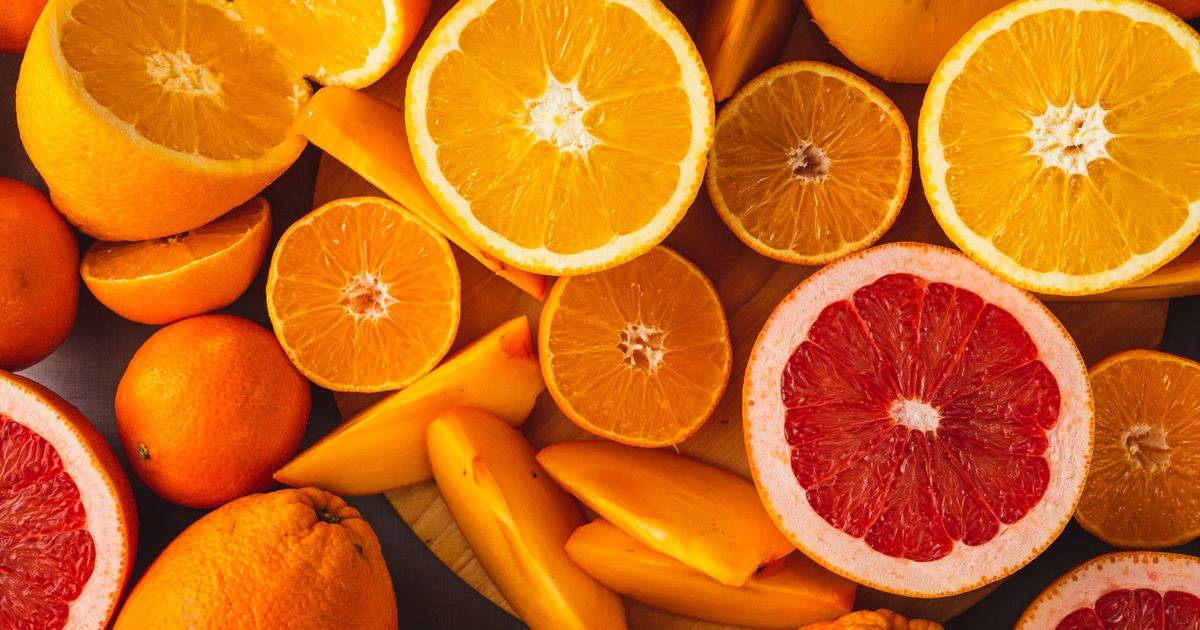
- Citrus Fruits: Oranges, lemons, limes, and grapefruits provide classic, bioavailable sources of Vitamin C alongside beneficial plant flavonoids.
- Bell Peppers: Red and yellow bell peppers contain even higher concentrations of Vitamin C per serving than most citrus fruits.
- Strawberries and Berries: Packed with ascorbic acid and polyphenols, berries help shield delicate skin tissue from oxidative stress.
- Cruciferous Vegetables: Broccoli, Brussels sprouts, and kale offer substantial doses of Vitamin C along with supportive sulfur compounds.
Vitamin E: Strengthening the Skin's Lipid Barrier
While Vitamin C operates in the water-based environments of your cells, Vitamin E serves as the principal fat-soluble antioxidant residing within your skin lipid membranes. The outermost layer of your skin relies heavily on a complex matrix of lipids to prevent trans-epidermal water loss and protect underlying tissue from external irritants. Vitamin E integrates directly into these lipid layers, where it scavenges free radicals that threaten to oxidize delicate cell membranes. By protecting these fatty structures from degradation, Vitamin E preserves internal moisture balance, reinforces barrier function, and keeps skin feeling supple and deeply hydrated.
One of the most remarkable aspects of skin nutrition is the synergistic relationship between Vitamin E and Vitamin C. When Vitamin E neutralizes a free radical in a lipid membrane, its own antioxidant capacity becomes temporarily exhausted. Vitamin C steps in to donate an electron, effectively recycling Vitamin E back into its active, protective form. This cooperative cycle demonstrates why consuming a diverse range of whole foods is far more effective than relying on single isolated nutrients. Excellent dietary sources of Vitamin E include:
- Almonds and Nuts: Almonds and hazelnuts deliver high amounts of alpha-tocopherol alongside healthy monounsaturated fats.
- Sunflower Seeds: A handful of raw or roasted sunflower seeds provides a concentrated dose of Vitamin E to support lipid health.
- Avocados: Rich in both Vitamin E and monounsaturated fatty acids, avocados nourish the skin barrier from within.
- Spinach and Leafy Greens: Dark green vegetables offer a steady supply of Vitamin E together with supportive minerals.
Vitamin A and Carotenoids: Encouraging Healthy Cell Turnover
Vitamin A is fundamental to the continuous lifecycle of epidermal tissue. Your skin undergoes constant renewal, shedding dead surface cells and replacing them with fresh cells created in the basal layer. Vitamin A regulates this critical differentiation process, ensuring that skin cells mature properly and shed smoothly. When Vitamin A intake is adequate, the skin maintains a refined surface texture, clear pores, and an even tone. Furthermore, plant-derived provitamin A compounds known as carotenoids, including beta-carotene, lutein, and lycopene, accumulate in the dermal layers and act as internal photoprotectants, absorbing harmful light wavelengths and mitigating UV-induced redness.
Integrating colorful fruits and vegetables into your daily routine is the safest way to optimize your Vitamin A status. Plant carotenoids are naturally converted by the body into active Vitamin A only as needed, eliminating the risk of toxicity. Excellent food choices include sweet potatoes, carrots, pumpkin, butternut squash, cantaloupe, and dark leafy greens like kale and Swiss chard. These vibrant foods provide a spectrum of phytonutrients that foster a naturally warm, radiant skin tone.
Please note that while consuming carotenoid-rich foods is completely safe and highly beneficial, caution is required regarding high-dose preformed retinol supplements. Vitamin A in its preformed state is fat-soluble and can accumulate in body tissues, potentially leading to adverse health effects or toxicity if taken in excess. Always consult a qualified healthcare professional before introducing high-dose Vitamin A or retinol dietary supplements to your routine.
2>Zinc: Calming Inflammation and Supporting Tissue Repair
Zinc is an essential trace mineral that acts as an indispensable catalyst for over three hundred enzymatic reactions within the human body, many of which directly govern skin health and cellular repair. It plays a central role in DNA synthesis, cell division, and tissue regeneration, making it crucial for healing blemishes, micro-tears, and inflammatory skin conditions. Furthermore, zinc helps regulate the activity of inflammatory signaling pathways, preventing overactive immune responses that can lead to visible redness, swelling, and irritation on the skin surface.
Another key mechanism of zinc involves its ability to regulate androgen hormones and modulate sebum production in the sebaceous glands. Excessive oil production combined with bacterial growth often leads to clogged pores and breakout activity. By maintaining balanced sebum synthesis and exhibiting mild antimicrobial properties, zinc helps clarify the pores and maintain a clear, balanced complexion. Rich nutritional sources of zinc include:
- Pumpkin Seeds: These nutrient-dense seeds provide a fantastic plant-based source of zinc and healthy magnesium.
- Legumes: Chickpeas, lentils, and black beans offer significant zinc content alongside dietary fiber and protein.
- Oysters and Shellfish: Shellfish, especially oysters, contain some of the highest natural concentrations of bioavailable zinc.
- Whole Grains: Quinoa, oats, and brown rice contribute steady baseline amounts of zinc when enjoyed regularly.
Although zinc is vital for healthy skin, excessive supplementation can interfere with copper absorption and lead to digestive upset or systemic mineral imbalances. Avoid exceeding the established daily upper limits for zinc supplements unless specifically directed and monitored by a doctor or certified healthcare practitioner.
Omega-3 Fatty Acids: Nourishing Dry Skin from Within
Essential fatty acids, particularly omega-3 polyunsaturated fats, are critical structural components of every cell membrane in your body. In the skin, eicosapentaenoic acid (EPA) and docosahexaenoic acid (DHA) help create a fluid, permeable cell membrane that facilitates proper nutrient transport while locking essential moisture tightly inside. When your diet lacks adequate omega-3s, skin cells become compromised, leading to increased trans-epidermal water loss, dryness, roughness, and heightened susceptibility to environmental irritants.
Beyond their structural role in maintaining hydration, omega-3 fatty acids possess potent intrinsic anti-inflammatory properties. EPA produces specialized signaling molecules known as resolvins and protectins, which actively calm inflammatory cascades throughout the body. This anti-inflammatory action makes omega-3 fats exceptionally beneficial for individuals managing red, irritated, or sensitive skin conditions. Incorporating healthy fats into your diet helps soothe reactivity, smooth skin texture, and restore a supple, natural glow. Excellent whole-food sources include:
- Wild-Caught Fatty Fish: Salmon, mackerel, sardines, anchovies, and herring deliver rich, pre-formed EPA and DHA.
- Walnuts: These tree nuts supply plant-based alpha-linolenic acid (ALA) along with protective polyphenols.
- Chia Seeds and Flaxseeds: Ground flaxseed and chia seeds are exceptional botanical sources of ALA omega-3 fatty acids.
- Hemp Seeds: Offering a balanced ratio of essential fatty acids, hemp seeds easily enhance salads, smoothies, and oatmeal.
B-Complex Vitamins: Maintaining Moisture and Uniform Tone
The B-complex family comprises eight water-soluble vitamins that work collectively to power cellular energy production, maintain metabolic function, and support rapid tissue renewal. Among these, Vitamin B3 (niacinamide) and Vitamin B7 (biotin) stand out for their specific and profound benefits for skin appearance and function. Vitamin B3 plays a vital role in synthesizing ceramides and free fatty acids in the stratum corneum, directly strengthening the skin barrier, reducing redness, and improving skin elasticity for a more uniform tone.
Biotin and other B vitamins such as B5 (pantothenic acid) and B6 (pyridoxine) assist in fatty acid metabolism and facilitate cellular repair processes. A well-nourished body equipped with adequate B vitamins processes nutrients efficiently, keeping the skin resilient against daily wear and tear. Because B vitamins are water-soluble and not stored extensively in the body, regular daily dietary intake is essential. Top dietary sources of B-complex vitamins include:
- Whole Grains: Brown rice, barley, oats, and whole wheat deliver a full spectrum of B vitamins and dietary fiber.
- Eggs: Eggs are rich in bioavailable biotin, Vitamin B12, and high-quality protein needed for tissue structure.
- Legumes and Pulses: Beans, lentils, and peas offer excellent amounts of folate, niacin, and thiamine.
- Poultry and Lean Meats: Chicken, turkey, and lean beef supply concentrated Vitamin B3, B6, and B12.
Nourishing Your Skin for Long-Term Radiance
Achieving and maintaining radiant skin is an ongoing, holistic journey rooted in daily nourishment rather than quick cosmetic fixes. While high-potency topical treatments have their place, internal nourishment provides the foundational building blocks required for healthy cell renewal, optimal hydration, and robust antioxidant defense. By prioritizing a colorful, whole-food diet rich in essential vitamins, trace minerals, and healthy fats, you empower your skin to naturally glow from within.
Focus on building balanced meals centered around fresh vegetables, berries, nuts, seeds, legumes, and high-quality proteins. Remember that whole food sources provide synergistic combinations of nutrients that no single pill can truly replicate. Before making dramatic changes to your diet or starting high-dose dietary supplement regimens, consider consulting a qualified healthcare professional or registered dietitian to tailor your nutritional strategy to your unique personal needs.
Frequently Asked Questions
Because the epidermis undergoes a natural turnover cycle every 28 to 40 days, noticeable changes in skin texture, hydration, and tone typically take four to eight weeks of consistent nutritional support. Sustained healthy eating habits yield cumulative benefits over time.
Yes, eating a varied diet rich in colorful vegetables, whole grains, nuts, seeds, and healthy proteins generally supplies all necessary vitamins and minerals for optimal skin health without requiring dietary supplements.
Vitamin C is the most critical nutrient for collagen production because it serves as an indispensable cofactor for enzymes that stabilize and assemble new collagen proteins in dermal tissue.
No, dietary fats from nuts and seeds contain healthy omega-3 fatty acids and Vitamin E, which actually help reduce skin inflammation and balance sebum quality rather than causing acne breakouts.
Water acts as the medium that delivers water-soluble nutrients like Vitamin C and B-complex vitamins to dermal tissue while maintaining full cell volume and flushing out waste products.