
The Best Foods for Gut Bacteria Supported by Science

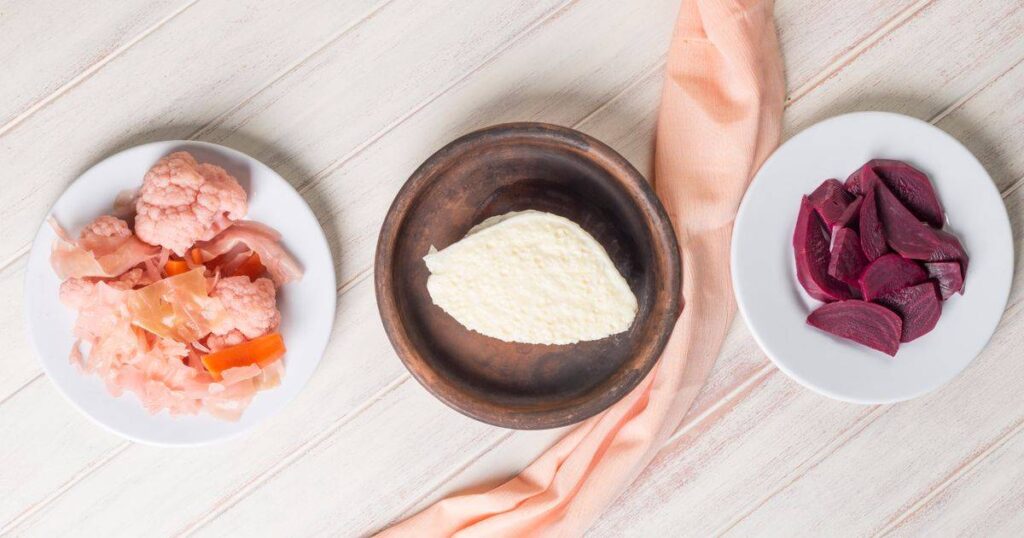
Discover the best foods for gut bacteria to support digestion, boost immune function, and improve microbial balance through proven dietary choices.
The human digestive tract is home to trillions of microscopic organisms collectively known as the gut microbiome. This complex internal ecosystem plays a vital role in overall wellness, influencing everything from nutrient absorption and immune response to metabolic function and mental clarity. While genetics and environment contribute to microbial composition, daily dietary choices serve as the single most powerful tool for shaping this living landscape. What you place on your plate directly dictates which microbial species thrive and which dwindle. By understanding the metabolic needs of these beneficial microscopic partners, you can actively cultivate a resilient internal environment. Discovering the best foods for gut bacteria is an essential step toward optimizing digestion and building long-term vitality through evidence-based nutrition.
How Diet Directly Shapes Your Gut Microbiome
The gut ecosystem consists of thousands of distinct bacterial species, categorized broadly into beneficial microbes and potentially opportunistic organisms. Beneficial strains, such as Bifidobacteria and Lactobacilli, work continuously to produce essential vitamins, reinforce the intestinal wall, and modulate immune activity. Conversely, an overabundance of harmful bacteria can provoke localized inflammation and digestive discomfort. The primary determinant of which populations dominate is the availability of specific cellular fuel sources. While human digestive enzymes easily break down refined sugars and simple starches in the upper gastrointestinal tract, non-digestible dietary components pass intact into the large intestine, serving as dedicated fuel for friendly microbes.
A diverse diet encourages a resilient microbial ecosystem. Just as a forest thrives through biodiversity, your digestive system requires a wide variety of plant fibers and compounds to sustain different bacterial strains. When diet lacks variety, specialized microbial populations starve, leading to reduced overall ecosystem strength. Regularly consuming a broad spectrum of nutrient-dense whole foods ensures that various beneficial species receive the nourishment required to maintain metabolic balance and defend against pathogen colonization across the GI tract.
Prebiotic Foods That Feed Beneficial Bacteria
Prebiotics are specialized, non-digestible carbohydrates that act as customized target foods for beneficial microorganisms. Unlike general dietary fiber, prebiotic compounds selectively stimulate the growth and metabolic activity of health-promoting bacteria in the colon. Incorporating prebiotic foods microbiome strategies into your daily meal planning provides your microscopic allies with the raw materials needed to generate protective compounds. Common prebiotic fibers include inulin, fructooligosaccharides, and galactooligosaccharides, each supporting different beneficial strains.
Several easily accessible plant foods rank among the richest natural sources of prebiotic fibers:
- Garlic and Onions: Rich in inulin and fructans, these kitchen staples feed Bifidobacteria while offering natural antimicrobial qualities.
- Oats: Packed with beta-glucan fiber, oats help sustain helpful bacteria while supporting healthy cholesterol levels.
- Slightly Green Bananas: Contain high concentrations of resistant starch and soluble fiber that nourish colonic flora.
- Asparagus: Delivers concentrated inulin alongside essential antioxidants that support overall gut barrier integrity.
- Leeks and Jerusalem Artichokes: Offer dense sources of soluble prebiotic fibers that encourage robust microbial fermentation.
Consistently featuring these whole foods ensures a steady supply of targeted energy for your internal microbiome, fostering long-term digestive stability and metabolic health.
Fermented Foods to Support Gut Flora Diversity
While prebiotic foods provide sustenance for existing microbes, fermented foods actively introduce new living cultures into the digestive tract. Through traditional fermentation, microscopic organisms convert carbohydrates into organic acids, alcohols, and enzymes, preserving the food while cultivating trillions of beneficial bacteria. Integrating fermented foods gut flora habits into your lifestyle introduces live strains like Lactobacillus plantarum and Bifidobacterium animalis, which interact with resident bacteria to enhance overall ecosystem diversity and support immune regulation.
Top options for live-culture fermented foods include:
- Plain Yogurt and Kefir: Cultured dairy or plant-based alternatives rich in active lactic acid bacteria.
- Sauerkraut and Kimchi: Fermented cabbage dishes supplying live strains alongside potent plant antioxidants.
- Traditional Miso and Tempeh: Fermented soybean products offering active microbes and dense nutritional profiles.
When selecting fermented products, choose options clearly labeled with live and active cultures. Avoid heavily pasteurized or high-sugar varieties, as excessive sugar can feed undesirable bacterial strains and heat processing kills living microbes. Note that individuals with chronic gastrointestinal issues or severe histamine intolerances should consult a physician or registered dietitian before rapidly increasing live-culture fermented foods.
Polyphenol-Rich Foods for Microbe Support
Polyphenols are naturally occurring plant compounds renowned for their antioxidant properties. Interestingly, the human body absorbs only a small percentage of dietary polyphenols in the small intestine. The remaining majority travels down to the colon, where resident bacteria break these complex molecules down into simpler, highly bioavailable metabolites. This enzymatic breakdown process benefits both host and microbe, as polyphenols actively stimulate the growth of beneficial strains such as Bifidobacteria and Lactobacilli while inhibiting the proliferation of pathogenic species.
To maximize polyphenol intake, focus on intensely colored plant foods. Dark berries, including blueberries, blackberries, and raspberries, provide high concentrations of anthocyanins. Green tea offers epigallocatechin gallate, a compound known to foster favorable microbial balance. Dark chocolate with high cacao content (70 percent or higher) delivers rich cocoa polyphenols that enhance gut flora. Additionally, cold-pressed extra virgin olive oil supplies unique phenolic compounds that protect the gut mucosa and encourage beneficial bacterial expansion across the digestive tract.
Resistant Starches for Short-Chain Fatty Acid Production
Resistant starches are unique carbohydrates that resist enzymatic breakdown in the stomach and small intestine. Bypassing early digestion, they arrive intact in the large bowel, serving as a primary substrate for microbial fermentation. As gut bacteria consume resistant starch, they produce short-chain fatty acids, predominantly acetate, propionate, and butyrate. Butyrate acts as the primary energy source for colonocytes, playing a critical role in maintaining gut barrier integrity, reducing localized inflammation, and preventing intestinal permeability.
Excellent dietary sources of resistant starch include cooked and cooled starchy vegetables, such as potatoes and rice, as well as green bananas, lentils, and black beans. The simple process of cooking and subsequent cooling alters the molecular structure of starches through retrogradation, significantly increasing their resistant starch content. Consuming these specialized starches consistently supplies your gut flora with the foundation needed to synthesize protective short-chain fatty acids, safeguarding the digestive lining and supporting systemic metabolic regulation.
Practical Tips for Safely Transitioning Your Gut Health Diet
Transitioning toward a microbiome-focused diet requires a thoughtful, gradual approach. Rapidly increasing fiber and prebiotic intake can cause temporary digestive distress, including gas, bloating, and abdominal discomfort, as microbial fermentation accelerates. To prevent these side effects, introduce high-fiber foods slowly over several weeks, allowing your resident bacterial populations to adjust to the increased substrate load.
Key strategies for a safe dietary transition include:
- Increase Hydration: Fiber requires ample water to move smoothly through the digestive tract. Drink plenty of water throughout the day.
- Aim for Plant Diversity: Target consuming thirty or more distinct plant species per week, including nuts, seeds, herbs, vegetables, and whole grains.
- Listen to Your Body: Track your digestive response to new foods and adjust portion sizes as needed.
Individuals with pre-existing conditions, such as Irritable Bowel Syndrome or Small Intestinal Bacterial Overgrowth, should exercise caution and consult a healthcare professional before altering their diet significantly.
Final Thoughts on Nourishing Your Microbe Community
Nourishing your internal ecosystem is an ongoing, lifelong practice centered on consistency and variety. By combining prebiotic fiber, live fermented foods, polyphenol-rich plant items, and resistant starches, you create an ideal environment for beneficial bacteria to flourish. These dietary strategies work synergistically to support digestion, fortify the intestinal barrier, and promote systemic health. Rather than seeking quick fixes or restrictive diets, focus on systematically expanding the range of whole plant foods on your plate. If you live with chronic gastrointestinal conditions or specific dietary restrictions, always consult a registered dietitian or medical professional to tailor these recommendations to your individual health profile.
Frequently Asked Questions
Fermented foods like kefir, plain yogurt, and sauerkraut can introduce active beneficial bacteria quickly. However, lasting improvements in gut flora diversity require consistent intake of prebiotic fibers over several weeks.
Yes, introducing high amounts of prebiotic fiber too quickly can cause temporary gas and bloating as gut bacteria ferment the fiber. It is best to increase your intake gradually and drink plenty of water.
Both cooked and raw vegetables offer unique benefits. Raw vegetables often retain higher levels of certain vitamins, while cooked and cooled starchy vegetables produce resistant starch, which feeds beneficial bacteria in the lower colon.
Research indicates that bacterial shifts can begin within 24 to 48 hours of significant dietary changes. However, establishing a stable, diverse, and resilient gut ecosystem typically requires consistent healthy eating habits over several months.
Some studies suggest that certain artificial sweeteners may alter the balance of gut microbes or reduce microbial diversity. Choosing naturally whole, unprocessed foods is generally better for maintaining healthy gut flora.