
Optimal Vitamin D Levels for Immunity: What to Know


Discover the optimal vitamin D levels for immunity, how to test 25-hydroxy vitamin D, and safe strategies to maintain ideal clinical targets.
Vitamin D has long been recognized as a fundamental cornerstone of human physiology. Historically celebrated for its indispensable role in bone mineral density and calcium homeostasis, modern scientific investigation has shifted significant focus toward its broader systematic functions. Among these, the interplay between vitamin D and the immune system stands out as one of the most vital areas of preventive healthcare. Rather than acting merely as a simple vitamin, vitamin D3 functions as a powerful biological precursor and potent pro-hormone capable of regulating thousands of genomic pathways across various body tissues. Maintaining ideal vitamin D levels for immunity has consequently become a primary objective for clinical practitioners and health-conscious individuals seeking to bolster defense mechanisms against daily pathogens.
Despite its critical importance, widespread confusion remains regarding what constitutes a truly healthy blood level. Standard clinical reference ranges were established primarily to prevent bone diseases such as rickets and osteomalacia, which require relatively minimal circulating concentrations. However, optimizing immune resilience and cellular protection often demands higher circulating amounts than those required merely to protect skeletal integrity. Understanding how to properly measure, interpret, and maintain optimal blood levels allows individuals to make informed decisions for long-term health and seasonal defense.
Understanding the 25-Hydroxy Vitamin D Test
To accurately evaluate vitamin D status, medical professionals rely on a specialized blood assay rather than evaluating dietary intake alone. The principal circulating form of vitamin D in the human bloodstream is 25-hydroxyvitamin D, abbreviated as 25(OH)D. When vitamin D is synthesized in the skin through ultraviolet exposure or consumed through food and supplements, it travels to the liver where it undergoes its first metabolic conversion into 25(OH)D. Because this molecule has a long circulating half-life of several weeks, measuring optimal 25 OH vitamin D concentrations offers the most reliable indicator of overall body stores and long-term availability.
When reviewing laboratory reports, it is important to understand the standard units of measurement used across different regions. In the United States, laboratories typically report results in nanograms per milliliter (ng/mL). Conversely, international institutions and many European health systems express values in nanomoles per liter (nmol/L). Converting between these two measurements is straightforward: multiplying ng/mL by 2.5 yields nmol/L, while dividing nmol/L by 2.5 returns ng/mL. For instance, a reading of 30 ng/mL corresponds directly to 75 nmol/L. Tracking these numbers over time provides clinicians and patients with clear biological feedback to ensure circulating levels remain within an optimal biological range.
Standard Reference Ranges vs. Optimal Immune Targets
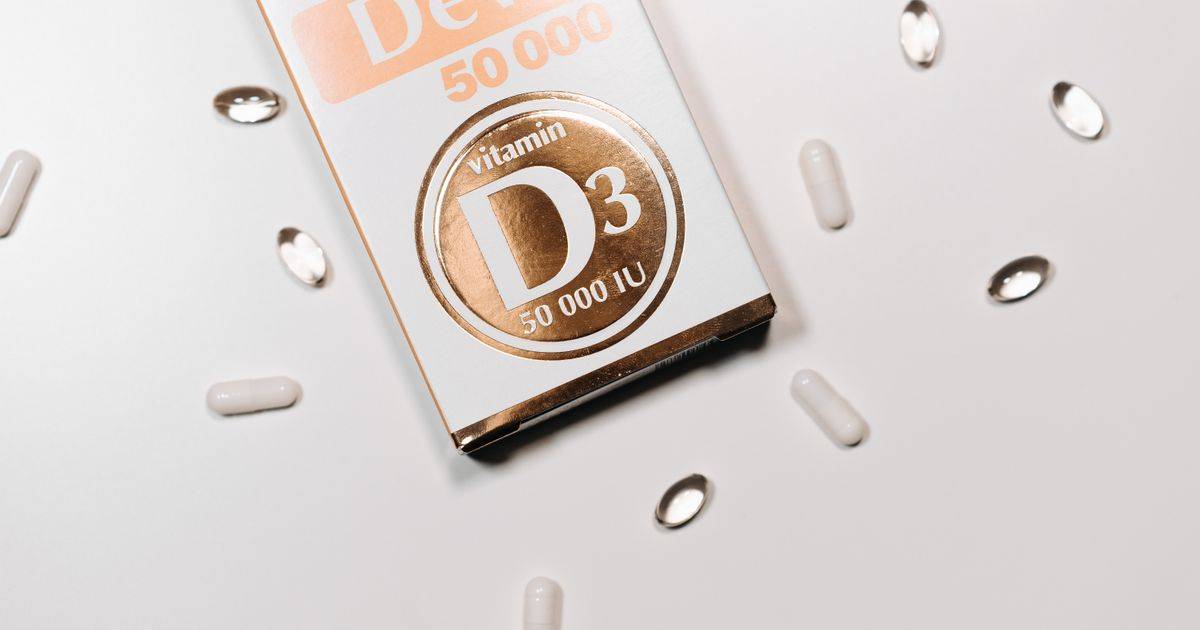
Traditional reference ranges provided by mainstream health organizations generally define vitamin D deficiency as any 25(OH)D level falling below 20 ng/mL (50 nmol/L). Levels between 20 ng/mL and 29 ng/mL are frequently categorized as insufficient, whereas levels of 30 ng/mL (75 nmol/L) and above are classified as clinically sufficient. These baseline targets successfully prevent skeletal softening and acute calcium deficits. However, a growing body of immunological research suggests that basic sufficiency may fall short of supporting maximum cellular immune activity.
For robust immune resilience, emerging clinical evidence indicates that optimal vitamin D levels for immunity reside within a higher range of 40 to 60 ng/mL (100 to 150 nmol/L). Within this elevated physiological zone, immune cells appear to possess adequate active hormone to fuel local metabolic processes without triggering hypercalcemia or calcification risks. Because optimal ranges vary based on underlying health conditions, baseline inflammation, and genetics, individuals should consult their primary physician to determine an appropriate personal target before making significant changes to their routine.
How Vitamin D3 Supports Cellular Immunity and Viral Defense
The immune system relies heavily on vitamin D3 to coordinate both innate and adaptive cellular responses. Innate immunity serves as the body's first line of defense against invading pathogens, relying on epithelial barriers, monocytes, and macrophages. When pathogen receptors detect foreign invaders, they trigger an up-regulation of vitamin D receptors within these immune cells. Adequate circulating vitamin D3 enables macrophages to produce specialized antimicrobial peptides, specifically cathelicidin and defensins. These potent molecules directly disrupt the membrane envelopes of bacteria, fungi, and viruses, providing robust vitamin D3 viral defense at mucosal surfaces.
Beyond immediate pathogen neutralization, vitamin D3 acts as a key regulator of adaptive immune responses mediated by T-cells and B-cells. It prevents hyper-inflammatory states by inhibiting the overproduction of pro-inflammatory cytokines, such as interleukin-6 and tumor necrosis factor-alpha. By balancing cytokine signaling, vitamin D helps prevent destructive tissue damage and systemic inflammation during immune challenges. This duel capability, enhancing pathogen elimination while simultaneously preventing excessive inflammatory responses, demonstrates why maintaining adequate tissue saturation is vital for long-term health.
Key Factors That Influence Your Vitamin D Levels
Achieving and sustaining adequate circulating vitamin D levels is influenced by a diverse set of physiological and environmental variables. Primary among these is exposure to sunlight, specifically ultraviolet B (UVB) radiation. Latitude, time of day, cloud cover, atmospheric pollution, and seasonal shifts heavily dictate UVB availability. Individuals living above 37 degrees north latitude, for example, experience a winter window where solar radiation is insufficient to trigger cutaneous vitamin D synthesis, regardless of time spent outdoors.
Individual biological factors also dictate how efficiently a person synthesizes and maintains circulating vitamin D3. Key factors include:
- Skin Pigmentation: Higher concentrations of melanin in darker skin act as a natural filter, reducing UVB absorption and requiring longer sun exposure to produce equivalent amounts of vitamin D.
- Age: Cutaneous synthesis declines naturally with age, as mature skin contains lower levels of the precursor molecule 7-dehydrocholesterol.
- Body Composition: Because vitamin D is a fat-soluble molecule, individuals with higher proportions of adipose tissue may sequester circulating vitamin D, lowering bioavailable blood levels.
- Digestive and Liver Health: Malabsorption disorders, impaired fat digestion, or compromised liver enzyme function can severely hamper both dietary absorption and metabolic conversion.
Safe Strategies to Achieve and Maintain Target Blood Levels
Optimizing circulating vitamin D levels requires a structured, safe, and measured approach. The initial step should always involve obtaining a baseline 25(OH)D blood test under medical supervision. Commencing unmonitored high-dose supplementation without baseline data can make it difficult to determine accurate dosage requirements and might lead to accidental over-supplementation. Once lab results establish a starting point, a personalized protocol combining dietary changes, sensible sun exposure, and tailored supplementation can be established.
Sensible sun exposure, such as spending 10 to 20 minutes in midday sunlight with exposed arms and legs without burning, offers natural synthesis. However, geographical and seasonal constraints often make supplemental vitamin D3 necessary. When choosing a supplement, vitamin D3 (cholecalciferol) is generally preferred over vitamin D2 (ergocalciferol) due to its superior efficacy in raising and maintaining blood concentrations. Because vitamin D is fat-soluble, taking supplements alongside a meal containing healthy fats enhances intestinal absorption. Caution is necessary when utilizing elevated doses, as excessive long-term intake can cause hypercalcemia, calcium deposition in soft tissues, and kidney stress. Individuals should consult a qualified healthcare provider to establish appropriate dosing and conduct regular follow-up testing.
Final Thoughts on Optimizing Vitamin D for Immune Health
Maintaining adequate vitamin D status is a foundational element of proactive health management. There is a meaningful distinction between avoiding severe clinical deficiency and achieving optimal blood levels designed to support robust biological protection. While conventional standards prioritize basic bone health, modern research highlights the significant advantages of maintaining blood concentrations tailored for cellular defense and immune modulation.
Through routine laboratory monitoring, sensible lifestyle choices, and targeted clinical supplementation when required, individuals can safely navigate their health journey. Partnering with a medical professional allows for precise, safe adjustments that align with individual metabolic needs, ensuring immune resilience throughout every season of the year.
Frequently Asked Questions
The standard clinical test is the 25-hydroxy vitamin D blood test, abbreviated as 25(OH)D. It accurately reflects total body stores from both sun exposure and dietary intake.
Both are measurement units used by laboratories. To convert ng/mL to nmol/L, multiply by 2.5. For example, 30 ng/mL is equivalent to 75 nmol/L.
While fatty fish, egg yolks, and fortified foods contain vitamin D, it is often challenging to reach optimal immune target levels through diet alone without sun exposure or supplementation.
Excessive long-term supplementation can cause hypercalcemia, which leads to high blood calcium levels. Symptoms may include nausea, weakness, frequent urination, and potential kidney issues.
It is generally recommended to recheck blood levels 3 to 6 months after starting a new supplementation protocol, or annually during routine wellness checkups.