
Menopause Early Signs: Perimenopause Clues in Your 40s

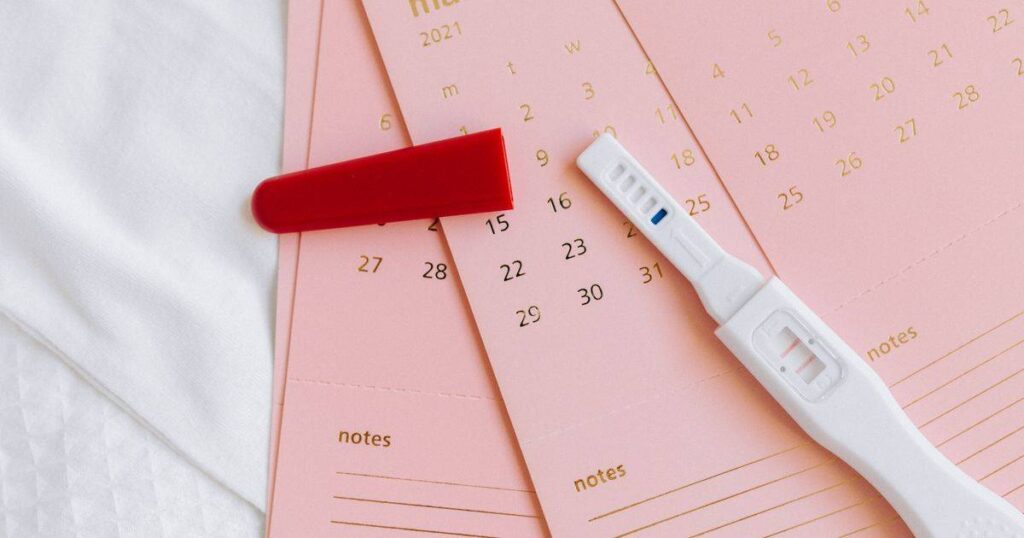
Discover the early subtle signs of perimenopause in your 40s, from sleep shifts to mild mood changes, and learn how to track your symptoms today.
Entering your 40s brings a wave of personal confidence, refined self-awareness, and life experience. However, it often comes with subtle, puzzling physical and emotional shifts that can leave you feeling slightly off-balance. You might find yourself suddenly waking up at 3:00 a.m. for no obvious reason, feeling unusually irritable during minor daily hassles, or noticing that your skin feels noticeably drier despite your usual skincare routine. Many women instinctively dismiss these early changes as simple consequences of a demanding career, family obligations, or general stress. In reality, these quiet adjustments are often the initial whispers of a major endocrine transition. Recognizing menopause early signs perimenopause cues during your 40s helps you understand what your body is experiencing long before full menopause begins.
Perimenopause is the natural biological bridge leading up to menopause, the point when a woman officially goes twelve consecutive months without a menstrual period. This transition rarely happens overnight. Instead, your ovaries gradually alter their production of key reproductive hormones, particularly estrogen and progesterone. Because these hormones interact with receptors located throughout your entire body, fluctuating levels can create a wide variety of systemic effects. Understanding these early indicators provides immense relief, reassuring you that these shifts are standard, manageable biological milestones rather than unexplained ailments or personal stress.
Unexplained Sleep Disruptions and Sudden Mood Shifts
For many women in their early to mid-40s, nighttime sleep quality serves as the first subtle indicator that hormonal dynamics are changing. Progesterone is a hormone with natural calming and sleep-promoting qualities. As ovarian production begins its gradual decline, progesterone levels often drop first, creating an imbalance relative to estrogen. This change frequently manifests as broken sleep patterns. You may fall asleep without difficulty, only to find yourself wide awake in the middle of the night with a restless body and an active, hyper-alert mind.
Alongside disrupted sleep, early perimenopause often introduces unexpected mood shifts. Estrogen plays a vital role in modulating neurotransmitters like serotonin and dopamine, which regulate mood and emotional stability. As estrogen levels begin to swing unpredictably, you might experience sudden spikes of anxiety, heightened daily stress responses, or unexplained irritability. Tasks that once felt routine can suddenly feel overwhelming.
- Waking up consistently around 3:00 a.m. with difficulty returning to sleep.
- Feeling unexpected waves of anxiety or tearfulness without an obvious external trigger.
- Noticing a decreased tolerance for daily stressors at work or home.
Because these emotional fluctuations closely mirror the psychological effects of a busy lifestyle, women often blame work obligations or family stress. Recognizing that dropping progesterone and shifting estrogen are driving these feelings allows you to extend compassion to yourself and seek tailored solutions.
Subtle Cycle Shifts and Flow Changes

When women think about menopausal changes, they often picture missed periods or complete cessation of bleeding. However, during the early stages of perimenopause, your menstrual cycle typically shifts in much more subtle, incremental ways long before it stops. You might notice that your regular 28-day cycle shortens to 24 or 25 days, or conversely, stretches out to 31 or 32 days. These minor timeline variations occur because ovulation becomes less predictable as hormone levels fluctuate.
Changes in menstrual flow are equally common during this phase. Some months may bring unexpectedly light flow or brief spotting, while other months produce heavier bleeding accompanied by severe cramping. These changes reflect variations in how well estrogen builds up the uterine lining before progesterone triggers its shedding.
- Slightly shorter or longer intervals between your periods.
- Uncharacteristic spotting several days before your actual period starts.
- Fluctuating flow heavy one month and unusually light the next.
Connecting these gentle menstrual variations with early vasomotor symptoms like night sweats irregular periods allows you to trace these patterns back to fluctuating hormone levels rather than random bodily anomalies.
Unexpected Physical Symptoms: Brain Fog and Joint Stiffness
Beyond sleep and cycle variations, declining and fluctuating estrogen levels influence body systems that many women do not immediately connect with reproductive health. Estrogen helps keep joints lubricated and plays a protective role against excessive inflammation throughout the musculoskeletal system. As estrogen levels dip, you may awaken with stiff fingers, achy knees, or generalized joint discomfort that feels surprisingly similar to early morning weariness.
Another common but frequently overlooked symptom is perimenopausal brain fog. Estrogen supports cerebral glucose metabolism and neural connectivity in areas of the brain responsible for memory and processing. During early perimenopause, women often report word-finding difficulties, mild forgetfulness, or a pervasive sense of mental fatigue.
- Forgetting common words or losing your train of thought mid-sentence.
- Experiencing morning joint stiffness or uncharacteristic body aches after moderate exercise.
- Noticing gradual changes in skin elasticity, eye moisture, or hair texture.
Incorporating key dietary nutrients, such as Magnesium to support muscle and nervous system function or Omega-3 fatty acids to help manage systemic inflammation, can offer meaningful comfort. Understanding that these physical changes stem from declining estrogen helps demystify the experience and reduces unnecessary worry.
Early Temperature Sensitivities and Mild Night Sweats
While intense daytime hot flashes are widely associated with late perimenopause and full menopause, temperature regulation changes during early perimenopause are generally far more discreet. The hypothalamus, which acts as the body's internal thermostat, is rich in estrogen receptors. When estrogen levels experience minor dips, the hypothalamus can misinterpret small changes in environmental temperature, triggering unnecessary cooling responses.
In your 40s, this may look like feeling uncomfortably warm in a room that everyone else finds comfortably cool, or experiencing sudden, brief bursts of internal warmth while seated at your desk. At night, these thermoregulatory glitches often show up as subtle dampness around your neck or hairline upon waking, or waking up chilly because your body overheated and perspired slightly while you slept.
- Sudden mild temperature spikes that make you want to shed layers quickly.
- Waking up with damp pajama tops or a clammy chest during the night.
- Feeling sensitive to slight room temperature changes that never bothered you before.
These early vasomotor cues often occur while your menstrual cycles remain relatively predictable, serving as a subtle biological signal that your body is adapting to shifting estrogen dynamics.
Building Your Perimenopause Symptoms Checklist and Seeking Guidance
Because early perimenopause symptoms appear gradually and fluctuate from month to month, tracking your experiences is the single best way to identify overall trends. Creating a personal perimenopause symptoms checklist in a physical notebook or digital smartphone app helps you document sleep disruptions, mood variations, cycle lengths, physical aches, and temperature sensitivities. Over three to six months, clear patterns often emerge that connect seemingly unrelated occurrences.
It is equally crucial to differentiate typical perimenopausal transitions from other underlying medical conditions. Thyroid dysfunction, iron deficiency anemia, and low levels of essential vitamins like Vitamin D can easily mimic perimenopausal fatigue, mood shifts, and brain fog.
- Log the start date, length, and flow intensity of every menstrual period.
- Note specific days when you experience insomnia, brain fog, or joint pain.
- Record any night sweats or temperature changes alongside your cycle dates.
Please consult your doctor, gynecologist, or primary care physician to review your symptom checklist and perform comprehensive blood work. A thorough medical evaluation ensures that alternative conditions are properly ruled out, allowing you to develop a safe, tailored wellness plan alongside your healthcare provider.
Final Thoughts on Listening to Your Body
Navigating your 40s involves honoring the incredible work your body performs every day while paying attention to the quiet signals it sends. The subtle sleep shifts, mild temperature sensitivities, cycle variations, and occasional brain fog you experience are valid biological markers of a major physiological evolution. They are real, natural, and definitely not all in your head.
By cultivating proactive self-care, maintaining a steady tracking routine, and engaging in open conversations with trusted medical professionals, you can navigate this natural biological transition with confidence and clarity. Listening to your body today ensures you remain informed, empowered, and fully supported throughout every stage of your health journey.
Frequently Asked Questions
Early signs of perimenopause typically start in a woman's 40s, with 45 being a common average onset. However, some women begin noticing subtle shifts in sleep, mood, or cycle length in their late 30s or early 40s.
Yes, you can still become pregnant during perimenopause. Although ovulation becomes irregular, your ovaries still release eggs intermittently until you have gone twelve consecutive months without a period.
Perimenopausal night sweats are usually linked to hormonal shifts, often occurring right before or during your period. However, because night sweats can also stem from thyroid conditions, infections, or medication side effects, discussing them with your doctor is important.
Perimenopause is the multi-year transition period leading up to menopause, during which hormone levels fluctuate and periods become irregular. Menopause is a specific point in time defined as having gone twelve continuous months without a menstrual period.
The length of perimenopause varies widely from woman to woman. On average, it lasts between four to eight years, though some women experience a shorter or longer transition period.