
How to Relieve DOMS: Best Ways to Cure Sore Muscles

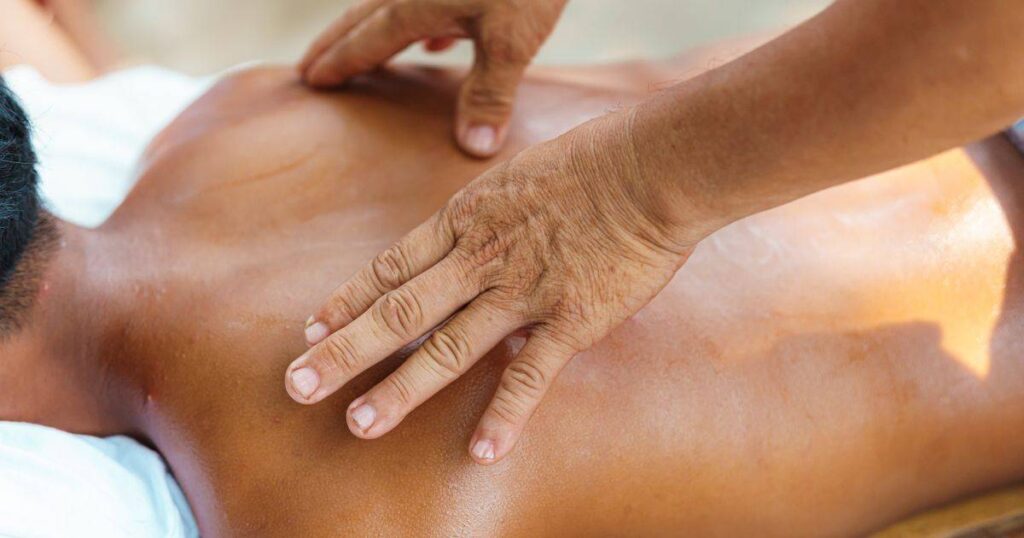
Discover what causes delayed onset muscle soreness and learn effective strategies on how to relieve DOMS fast through simple hydration, rest, and nutrition.
Almost everyone who has stepped into a gym, tried a new fitness class, or returned to exercise after a long break knows the feeling. You finish your workout feeling accomplished and energized. The next morning, you feel a slight tightness, but by the second day, simply walking down a flight of stairs or reaching for a coffee mug feels like an intense physical challenge. This familiar, lingering stiffness is known as delayed onset muscle soreness, or DOMS. It is a completely natural biological response to challenging physical activity, signaling that your muscles are adapting to new demands.
While feeling sore can be a satisfying sign that you worked hard, severe stiffness can interrupt your daily routine and make future workouts difficult. Understanding why this discomfort happens is the first step toward managing it effectively. By learning the physiological drivers behind post-workout stiffness, you can adopt targeted recovery methods to reduce discomfort, protect your muscle tissue, and return to your fitness routine feeling strong and restored. This article explores the science behind muscle soreness and provides practical, evidence-based guidelines on how to relieve DOMS safely.
Understanding the Science Behind Delayed Onset Muscle Soreness
For decades, fitness enthusiasts believed that muscle soreness was caused by a buildup of lactic acid in the tissues. However, modern exercise physiology has thoroughly debunked this myth. Lactic acid, or lactate, is a metabolic byproduct of anaerobic exertion that clears from your bloodstream within an hour after you finish exercising. It plays no role in the dull, aching discomfort that appears one to two days later. Instead, the true cause of DOMS involves structural micro-trauma within the muscle tissue itself.
When you perform exercises that challenge your body, particularly movements involving eccentric contractions, you create microscopic tears in the muscle fibers and surrounding connective fascia. An eccentric contraction occurs when a muscle lengthens while under tension, such as when you lower a heavy dumbbell during a bicep curl, sink down into a squat, or run downhill. These micro-tears are not dangerous injuries; rather, they are the necessary stimulus that prompts your body to build stronger, more resilient muscle tissue.
Following this micro-damage, your immune system initiates a localized inflammatory response. Specialized white blood cells travel to the affected tissues to clear damaged cellular components and release signaling molecules that stimulate repair. This inflammatory cascade causes localized swelling, fluid retention, heightened nerve sensitivity, and temporary reductions in muscle strength. The peak of this inflammatory process typically occurs between 24 and 72 hours after exercise, which explains why a tough sore muscles workout often hurts significantly more on the second day than on the first.
Active Recovery: Promoting Circulation Without Overworking Sore Muscles

When your body feels stiff and aching, the natural inclination is often to lie on the couch and avoid movement entirely. However, complete sedentary rest can actually prolong your discomfort. Prolonged inactivity allows muscles to become stiffer, reducing local blood flow and slowing down the removal of inflammatory cellular debris. Incorporating active recovery into your schedule is one of the most effective strategies for restoring mobility and reducing soreness.
Active recovery involves performing low-intensity physical activity that elevates your heart rate slightly without placing additional mechanical strain on damaged muscle fibers. Gentile movement increases systemic blood circulation, delivering fresh oxygen, glucose, and essential amino acids to working tissues while carrying away metabolic byproducts. Effective active recovery activities include:
- Brisk walking on flat surfaces for 20 to 30 minutes
- Easy swimming or water walking to relieve joint pressure
- Low-resistance stationary cycling at a comfortable cadence
- Gentle mobility drills and dynamic stretching sequences
The key to successful active recovery is keeping the intensity strictly controlled. Your heart rate should remain low enough that you can easily hold a full conversation without gasping for breath. If you feel burning or heavy fatigue in your muscles during the activity, you are working too hard and risk causing further tissue damage. Treat active recovery as a therapeutic tool designed to nourish your body, not as a secondary workout.
Hydration and Dietary Approaches to Support Muscle Healing
What you consume following exercise plays a pivotal role in how quickly your tissues repair themselves. Proper hydration is foundational for muscle recovery. Muscle tissue is composed of approximately 75 percent water, and proper cellular hydration is essential for maintaining cell volume, facilitating nutrient transport across cell membranes, and supporting enzymatic repair processes. Dehydration can exacerbate muscle cramps, increase perception of pain, and slow cellular healing.
Alongside adequate fluid intake, dietary protein provides the fundamental building blocks necessary for repairing microscopic tissue damage. When you consume protein, your digestive system breaks it down into individual amino acids, which are then used to rebuild damaged muscle proteins through a process known as muscle protein synthesis. Consuming a balanced meal or snack containing lean protein, such as poultry, fish, eggs, tofu, or legumes, within a few hours of exercise supports efficient repair.
Additionally, incorporating anti-inflammatory foods into your overall diet can help manage excessive post-workout swelling and discomfort. Tart cherry juice, rich in anthocyanins, has gained significant attention for its ability to reduce oxidative stress and muscle soreness. Foods high in omega-3 fatty acids, such as wild salmon, walnuts, and flaxseeds, as well as colorful berries and leafy greens, also provide valuable antioxidant support. Please note that you should consult your doctor or a qualified healthcare provider before introducing new dietary supplements or making significant changes to your nutrition plan, especially if you manage underlying health conditions.
Targeted Relief Strategies: Massage, Foam Rolling, and Temperature Therapy
Beyond nutrition and light movement, targeted physical therapies offer immediate, practical comfort when learning how to relieve DOMS. Myofascial release, commonly practiced using a high-density foam roller or massage ball, involves applying gentle, sustained pressure to tight muscle groups. Foam rolling helps break up temporary fascial adhesions, stimulates local blood flow, and alters pain perception by stimulating sensory nerve receptors in the muscle tissue. Rolling each sore muscle group for 60 to 90 seconds can improve short-term flexibility and ease stiffness.
Temperature therapies also serve as valuable tools for symptom management. Thermal applications work through distinct physiological mechanisms, and choosing between heat and cold depends largely on your immediate recovery goals:
- Warm Baths or Heating Pads: Heat causes blood vessels to dilate, promoting increased circulation and muscle relaxation. Warm baths, particularly those with Epsom salts, soothe chronic tightness and reduce general muscle stiffness.
- Cold Therapy or Ice Baths: Cold causes blood vessels to constrict, which helps reduce acute localized swelling and numbs sharp pain receptors. Applying an ice pack wrapped in a cloth to intensely tender areas can provide temporary analgesic relief.
It is important to understand that there is no magical delayed onset muscle soreness cure that wipes away stiffness instantaneously. Physical modalities like foam rolling, warm soaks, and targeted massage do not instantly repair damaged fibers, but they are highly effective at managing discomfort, improving joint range of motion, and making the recovery period far more comfortable.
Prioritizing Sleep and Scheduled Rest for Long-Term Recovery
While active strategies like light exercise and nutrition provide critical support, the actual cellular reconstruction of damaged muscle tissue occurs primarily while you sleep. Deep sleep, particularly stage 3 non-rapid eye movement (NREM) sleep, is the period when your brain signals the endocrine system to release Human Growth Hormone (HGH). HGH is a powerful anabolic hormone that stimulates tissue growth, enhances amino acid uptake, and accelerates cellular repair throughout the entire body.
Consistently getting 7 to 9 hours of quality sleep per night ensures that your body spends adequate time in these restorative physiological states. Chronic sleep deprivation elevates circulating stress hormones like cortisol, which can impair protein synthesis, prolong inflammation, and heighten your sensitivity to physical pain. Establishing good sleep hygiene, such as keeping your bedroom dark and cool, limiting screen exposure before bed, and maintaining consistent sleep schedules, optimizes your body's natural healing capacity.
In tandem with nightly sleep, structured rest days must be intentionally integrated into your weekly fitness programming. Training the same muscle groups intensely day after day without allowing full recovery leads to cumulative tissue breakdown, chronic fatigue, decreased performance, and an increased risk of overtraining syndrome. A well-designed training plan balances challenging workouts with dedicated rest days, allowing your muscles to repair, adapt, and grow stronger over time.
Recognizing the Difference Between Normal DOMS and Acute Injury
Because post-workout soreness is a normal aspect of physical training, exercisers sometimes overlook warning signs that indicate a more serious issue. It is critical to distinguish between benign, widespread delayed onset muscle soreness and acute soft tissue injuries such as muscle strains, sprains, or joint damage. Continuing to train through a genuine structural injury can turn a minor issue into a severe, long-term setback.
Normal DOMS typically feels like a dull, diffuse aching spread across the belly of a muscle. It affects both sides of the body symmetrically if both sides were worked equally, peaks within 48 hours, and noticeably improves once you warm up with light movement. In contrast, acute injuries often present with sharp, localized, or shooting pain that occurs suddenly during exercise or immediately afterward. Other warning signs of acute injury include visible severe swelling, localized bruising, joint instability, or an inability to bear weight on a limb.
Another rare but serious condition to be aware of is exertional rhabdomyolysis, a dangerous medical emergency caused by severe muscle breakdown releasing cellular contents into the bloodstream. Symptoms include extreme, incapacitating muscle pain, severe swelling, profound weakness, and dark brown or tea-colored urine. Always consult a qualified physician immediately if your muscle pain is unbearable, does not begin to improve after 5 to 7 days, or is accompanied by systemic symptoms like fever, dark urine, or severe localized swelling.
Final Thoughts on Managing Post-Workout Soreness
Experiencing delayed onset muscle soreness is a universal rite of passage for anyone engaging in physical self-improvement. It serves as a clear physical reminder that your body is responding to unfamiliar challenges and adapting to become stronger, more capable, and more resilient. However, severe, debilitating soreness should never be viewed as a mandatory badge of honor or the sole metric of an effective workout session.
Relieving post-workout discomfort requires a balanced, holistic approach. Rather than searching for a single instant solution, prioritize fundamental health practices: maintain consistent active recovery, stay thoroughly hydrated, nourish your tissues with adequate protein and wholesome foods, utilize self-massage tools, and get plenty of deep, restorative sleep. For long-term progress, always apply the principle of progressive overload, increasing your exercise intensity, volume, and weight gradually over time. By listening to your body and respecting its need for recovery, you can build lasting fitness while keeping unnecessary muscle soreness to a minimum.
Frequently Asked Questions
Delayed onset muscle soreness usually begins 12 to 24 hours after exercise, reaches its peak intensity between 24 and 72 hours, and gradually subsides over 3 to 5 days as your muscle tissue repairs itself.
Performing light active recovery like walking or gentle cycling is helpful, but you should avoid intense weightlifting or high-impact exercise targeting the specific muscle groups that are severely sore. Give those muscles time to repair before training them hard again.
There is no instant cure for DOMS because muscle tissue micro-tears take physical time to heal naturally. However, combining gentle movement, hydration, proper protein intake, foam rolling, and contrast baths can significantly reduce symptom severity.
Research indicates that static stretching before or after exercise has minimal effect on preventing or reducing DOMS. While stretching improves joint flexibility and overall range of motion, it does not prevent microscopic muscle fiber damage caused by heavy exertion.
Soreness peaks around 48 hours because the body's inflammatory repair process takes time to escalate. The peak influx of white blood cells, localized fluid swelling, and chemical pain signaling near damaged muscle fibers occurs roughly 24 to 72 hours post-exercise.