
How Milk Thistle Benefits Liver Health and Tissue Repair

Explore how milk thistle benefits liver health, supports silymarin liver regeneration, and what clinical evidence reveals about cellular tissue repair.
The liver is one of the most resilient organs in the human body, working tirelessly to filter toxins, process nutrients, and support metabolic function. Because of its constant exposure to metabolic byproducts, environmental pollutants, and dietary stressors, maintaining hepatic wellness has become a top health priority for millions of people. Among the vast array of herbal supplements marketed for hepatic detox, milk thistle stands out as the most widely used botanical remedy. Many wellness enthusiasts wonder whether this ancient herb can genuinely repair damaged liver tissue or if its reputation is largely built on traditional folklore. Understanding how milk thistle benefits liver health requires a careful look at its active biological compounds, the natural regenerative mechanisms of hepatic cells, and the findings of modern clinical research.
At the center of this conversation is silymarin, a unique complex of active compounds extracted from milk thistle seeds. While popular culture often promotes botanical remedies as miracle cures for structural organ damage, scientific inquiry presents a more nuanced reality. Milk thistle offers valuable support for cellular defenses and tissue maintenance, but understanding its true capabilities requires distinguishing between supporting natural cellular renewal and reversing advanced structural scarring. By examining the biological interactions of silymarin, individuals can set realistic expectations for standard dietary supplementation.
Understanding Milk Thistle and Its Active Compound, Silymarin
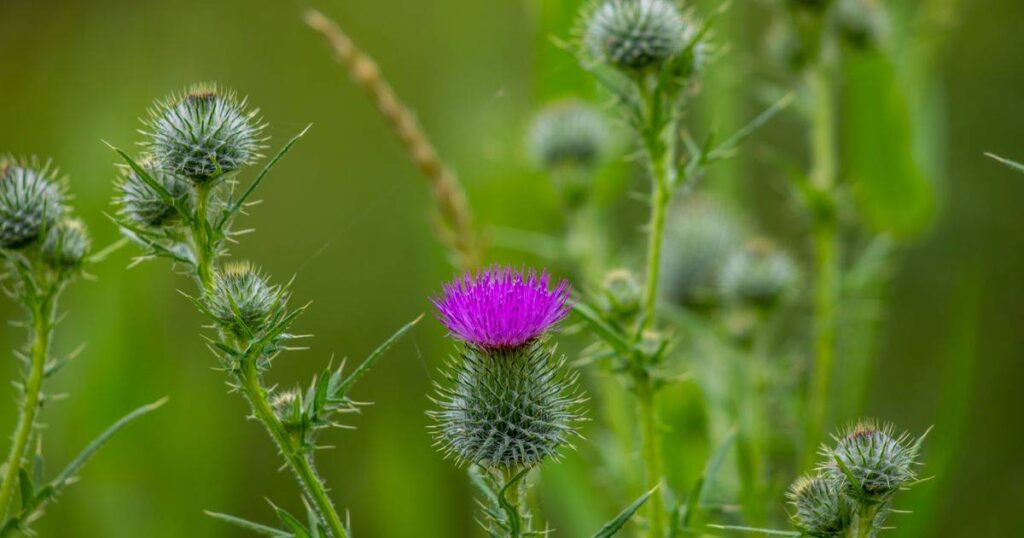
Milk thistle, known scientifically as Silybum marianum, is a flowering plant belonging to the Asteraceae family. Native to the Mediterranean region, it has been utilized in traditional wellness practices for over two thousand years. The therapeutic properties of the plant are concentrated within its ripe seeds, which contain a specialized group of bioactive flavonolignans collectively known as silymarin. Rather than being a single compound, silymarin is composed of several key constituents, including silybin, isosilybin, silycristin, and silydianin. Among these, silybin is recognized as the most biologically active and clinically significant component responsible for protecting hepatic cells.
The primary biological action of silymarin revolves around its potent antioxidant capabilities. In the liver, metabolic activities generate free radicals, which cause oxidative stress and damage cellular structures such as lipid membranes and DNA. Silymarin acts as a direct scavenger of reactive oxygen species, neutralizing free radicals before they can disrupt hepatic cells. Additionally, silymarin helps stabilize cell membranes by binding to hepatocyte surface receptors. This membrane-stabilizing action prevents exogenous toxins, alcohol byproducts, and industrial chemicals from penetrating the cell interior, effectively acting as a protective barrier for vulnerable tissue.
Can Silymarin Truly Stimulate Liver Regeneration?

To understand how silymarin liver regeneration works, one must first appreciate the liver's unique innate capacity for self-repair. Unlike most organs in the human body, a healthy liver can regenerate missing or damaged tissue through the proliferation of existing hepatocytes. When hepatic tissue suffers minor insult or stress, cellular mechanisms immediately initiate tissue repair. Silymarin actively supports this biological phenomenon by stimulating the activity of an essential cellular enzyme known as RNA polymerase I.
By enhancing RNA polymerase I activity, silymarin increases the rate of ribosomal protein synthesis within damaged hepatocytes. This acceleration in protein production provides the fundamental building blocks necessary for cell multiplication and structural repair. Consequently, milk thistle accelerates the organ's natural timeline for replacing injured cellular structures. However, it is vital to distinguish between enhancing cellular protein synthesis and reversing advanced structural scarring. While silymarin assists in the recovery of functioning hepatocytes, it cannot dissolve established fibrous collagen networks seen in late-stage cirrhosis.
Furthermore, silymarin exhibits significant anti-inflammatory properties by inhibiting key inflammatory pathways, such as nuclear factor kappa B (NF-kB). By dampening inflammatory signals, silymarin protects surrounding healthy tissue from secondary damage caused by chronic tissue inflammation. This dual approach of neutralizing oxidative stress and suppressing excessive inflammatory cascades helps maintain an environment where natural cellular renewal can take place effectively.
Evaluating the Clinical Evidence on Milk Thistle
The academic body of milk thistle clinical evidence presents a comprehensive yet complex picture of its therapeutic utility. Numerous human clinical trials have investigated the efficacy of standardized silymarin extracts across various cohorts. A consistent observation across several randomized controlled studies is the measurable reduction in key serum liver enzymes, specifically alanine aminotransferase (ALT) and aspartate aminotransferase (AST). Elevated levels of ALT and AST indicate ongoing cellular injury in hepatic tissue; therefore, a decline in these markers suggests reduced cell membrane leakage and lower active stress levels.
Despite these encouraging biochemical improvements, clinical trial results can vary depending on trial design, patient demographics, and extract formulations. One major challenge historically associated with milk thistle supplementation is its naturally poor oral bioavailability. Raw silymarin is poorly absorbed in the human gastrointestinal tract, meaning that early clinical trials using simple crude powders often yielded inconsistent results. Modern clinical studies increasingly employ standardized extracts or specialized lipid-bound formulations to ensure consistent blood plasma concentrations.
Medical consensus views milk thistle not as a standalone cure for severe liver diseases, but rather as an effective supportive adjunct. Clinical evidence confirms that while silymarin improves metabolic markers and enhances quality-of-life indices for individuals with hepatic challenges, it works best when integrated alongside standard medical treatments and targeted lifestyle modifications.
Role in Common Liver Conditions: NAFLD, Hepatitis, and Alcohol Stress
Research into how milk thistle benefits liver health often focuses on specific hepatic conditions, including metabolic dysfunction-associated steatotic liver disease (formerly known as non-alcoholic fatty liver disease or NAFLD), alcohol-related stress, and chronic viral hepatitis. In non-alcoholic fatty liver conditions, excessive fat accumulation within hepatocytes leads to chronic low-grade inflammation and oxidative stress. Studies show that silymarin helps mitigate this oxidative damage, improving insulin sensitivity within liver tissue and reducing systemic inflammatory signaling.
For individuals dealing with alcohol-related hepatic stress, milk thistle has a long history of complementary application. Ethanol metabolism generates acetaldehyde, a toxic byproduct that depletes glutathione stores and triggers extensive lipid peroxidation. Silymarin helps preserve intracellular glutathione levels, giving hepatocytes greater capacity to neutralize metabolic toxins. In cases of viral hepatitis, such as Hepatitis B or C, milk thistle does not eradicate the underlying virus, but it offers valuable support by reducing inflammatory symptoms, mitigating oxidative tissue injury, and enhancing overall patient vitality.
Note: It is critical to recognize that herbal supplements cannot replace conventional medical care. Individuals managing acute or chronic hepatic conditions should always consult a qualified physician before introducing dietary supplements into their care regimen.
Safety, Bioavailability, Dosage, and Drug Interactions
Milk thistle generally exhibits an excellent safety profile and is well-tolerated by most individuals. Clinical studies evaluating standardized silymarin extracts report minimal adverse effects, with occasional mild gastrointestinal symptoms, such as transient bloating, nausea, or loose stools. Standard clinical dosages typically range from 420 mg to 800 mg of standardized silymarin daily, divided into two or three doses. Because raw silymarin has limited oral absorption, consumers often look for phytosome formulations, which bind silymarin to phospholipids to significantly enhance intestinal uptake.
Despite its safe profile, potential interactions with pharmaceutical drugs require careful consideration. Silymarin can influence the activity of specific cytochrome P450 enzymes in the liver, particularly CYP2C9 and CYP3A4. These enzymes are responsible for metabolizing a wide array of prescription medications, including blood thinners, statins, immunosuppressants, and anti-anxiety treatments. Modifying enzyme activity can alter how quickly the body processes these medications, potentially leading to elevated drug concentrations or decreased therapeutic efficacy.
Note: Always speak with a healthcare provider or pharmacist prior to using milk thistle supplements, particularly if you take daily prescription medications or have been diagnosed with pre-existing hepatic disease.
Final Thoughts on Milk Thistle and Liver Health
In summary, milk thistle is a valuable, scientifically backed botanical supplement that provides genuine support for hepatic wellness. Through its active constituent silymarin, it neutralizes harmful free radicals, stabilizes hepatocyte cell membranes, suppresses cellular inflammation, and promotes the protein synthesis required for natural tissue renewal. While it cannot single-handedly reverse severe, irreversible scarring like advanced cirrhosis, it plays a meaningful role in protecting existing healthy tissue and optimizing the liver's innate capacity for self-repair.
Achieving optimal long-term liver health requires a comprehensive strategy. Supplementing with standardized silymarin should be viewed as one component of a healthy lifestyle that includes a nutrient-rich diet, regular physical exercise, minimal alcohol consumption, and routine medical monitoring. Working closely with healthcare professionals ensures that milk thistle is used safely and effectively as part of your personal wellness routine.
Frequently Asked Questions
No, milk thistle cannot reverse advanced liver scarring or cirrhosis. Cirrhosis involves permanent fibrous scar tissue replacing healthy hepatocytes. While silymarin supports healthy liver cells and natural cellular renewal, it cannot dissolve established scar tissue.
Improvements in cellular markers or subjective vitality can take anywhere from 4 to 12 weeks of consistent daily supplementation. Clinical studies evaluating liver enzyme reductions typically monitor participants over several months.
For most healthy adults, standardized milk thistle extracts are safe for daily use when taken within recommended dosage guidelines. However, long-term use should ideally be reviewed with a qualified healthcare professional.
Phytosome formulations, which complex silymarin with phospholipids, offer significantly superior bioavailability compared to standard crude seed powders, leading to better absorption in the digestive tract.
Yes, milk thistle can affect liver enzymes in the cytochrome P450 family, which metabolize drugs such as blood thinners, cholesterol medications, and immunosuppressants. Always consult a physician before combining supplements with prescription drugs.