
How Lions Mane Brain Benefits Stimulate NGF for Mind Health

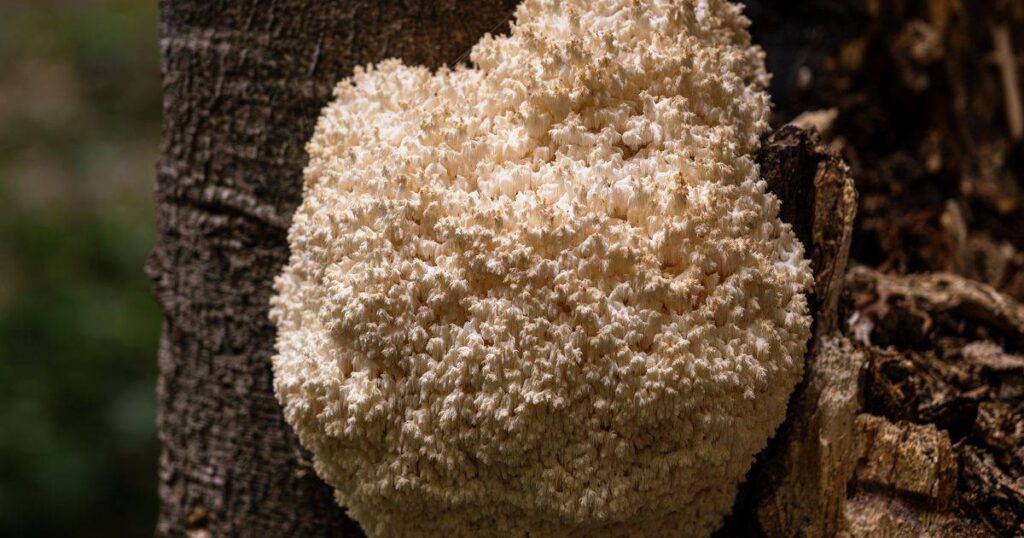
Explore how lions mane brain benefits stimulate nerve growth factor (NGF), support neurogenesis, and enhance memory in this complete expert guide.
In recent years, interest in natural approaches to cognitive optimization has expanded dramatically. Among the various botanical and fungal solutions available, Hericium erinaceus, commonly known as Lion's Mane mushroom, stands out as one of the most promising natural options for cognitive vitality. Used for centuries in traditional Asian medicine both as a culinary delicacy and as a tonic for general longevity, this distinct fungus has captured the attention of modern scientific researchers. The growing fascination stems largely from its potential ability to influence Nerve Growth Factor, a specialized biological protein essential for the maintenance and repair of neurons within the brain and peripheral nervous system. As scientists continue to explore lions mane brain benefits, people seeking natural cognitive enhancement are eager to understand how this unique medicinal mushroom interacts with brain chemistry, supports neural repair mechanisms, and promotes overall mental sharpness across different stages of life.
What Is Nerve Growth Factor (NGF) and Why Does It Matter?
Nerve Growth Factor, often abbreviated as NGF, is a vital neurotrophic factor that plays an indispensable role in the development, maintenance, and survival of nerve cells. Discovered in the mid-twentieth century, NGF acts as a biological signal that encourages neurons to grow, differentiate, and form functional synaptic connections. Without adequate levels of NGF, sensory and cholinergic neurons can deteriorate over time, leading to reduced communication efficiency between different brain regions and a decline in structural plasticity.
One of the primary reasons NGF is so crucial for long-term brain performance is its direct involvement in synaptic plasticity. Synaptic plasticity refers to the ability of brain connections to strengthen, weaken, adapt, or reorganize in response to learning, new experiences, and environmental stimuli. Higher levels of NGF help preserve these neural pathways, fostering an environment where the brain can continually build new connections while repairing damaged structures.
Furthermore, NGF supports the structural integrity of the central and peripheral nervous systems. It acts as a protective shield against oxidative stress and cellular degeneration, promoting sustained focus, mental stamina, and long-term cognitive resilience. Because standard NGF molecules produced outside the body are too large to cross the protective blood-brain barrier effectively, researchers have focused on identifying natural dietary compounds that can cross this barrier or stimulate internal NGF biosynthesis directly within brain tissue.
Active Compounds in Lion's Mane: Hericenones and Erinacines
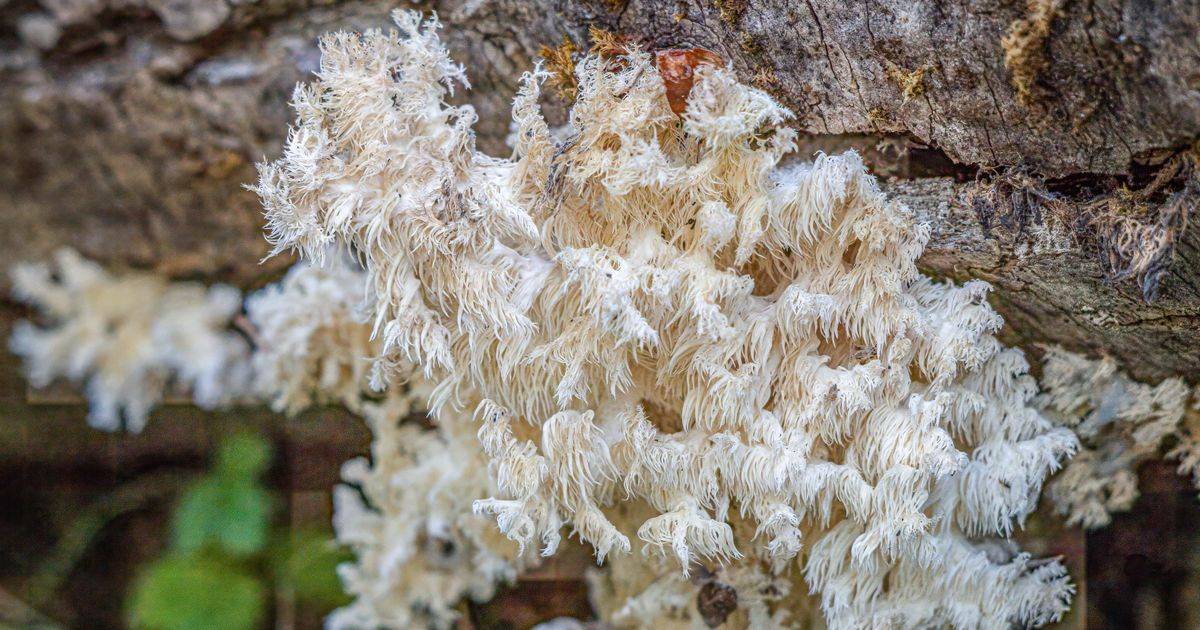
The ability of Hericium erinaceus to influence brain function is primarily attributed to two specific groups of bioactive chemical constituents: hericenones and erinacines. These low-molecular-weight organic compounds possess unique molecular structures that allow them to interact directly with neural tissues. Hericenones are predominantly isolated from the visible fruiting body of the mushroom, whereas erinacines are mainly concentrated in the underground or cultured mycelium network.
Among these constituents, erinacines have garnered significant attention from neuroscientists due to their low molecular weight. This characteristic enables them to pass through the blood-brain barrier with relative ease. Once inside the central nervous system, erinacines act as potent stimulators of internal NGF synthesis. In laboratory settings, specific erinacine compounds, particularly erinacine A, have demonstrated a remarkable capacity to encourage glial cells to produce higher concentrations of NGF, thereby creating an optimal environment for neural growth.
This biochemical interaction lies at the heart of lion's mane neurogenesis, the process by which new neurons are generated and integrated into existing neural networks. By encouraging both the survival of existing neurons and the generation of new cellular connections, hericenones and erinacines work synergistically to foster robust brain chemistry. The dual presence of these active constituents makes whole-mushroom or combined fruiting body and mycelium extracts especially intriguing for those seeking comprehensive cognitive support.
Evaluating the Research: Memory, Focus, and Cognitive Performance
When evaluating how NGF stimulation translates into day-to-day brain function, researchers pay close attention to indicators such as memory retention, processing speed, and executive function. The activation of neurotrophic pathways by fungal bioactives suggests that regular intake may help buffer against mental fatigue and support daily mental clarity. For individuals managing demanding workloads or intense study schedules, functional mushrooms integrated into a mushroom nootropic memory routine offer an appealing strategy for keeping focus consistent.
Enhanced levels of NGF directly support spatial memory, recall efficiency, and the ability to retain complex information over time. By maintaining the health of cholinergic pathways in the hippocampus, the primary memory center of the brain, Lion's Mane may assist in minimizing the cognitive fog that frequently accompanies stress, inadequate sleep, or aging. Users frequently report experiencing a subtle yet noticeable improvement in mental stamina, verbal fluency, and task switching.
While these practical observations are encouraging, it remains important to manage expectations regarding supplement outcomes. Dietary supplements are intended to support overall biological function rather than cure or prevent neurological conditions. Individuals experiencing noticeable cognitive decline or persistent memory challenges should always consult a qualified healthcare professional for a thorough medical evaluation before starting any new supplement regimen.
What Current Studies Tell Us: Animal vs. Human Clinical Evidence
Scientific investigation into Lion's Mane has progressed steadily over the past few decades, spanning in vitro cellular studies, animal models, and small-scale human clinical trials. Preclinical research on rodents has consistently demonstrated that extracts of Hericium erinaceus can stimulate NGF expression in the hippocampus and cerebral cortex. In these animal models, supplementation resulted in improved performance in maze testing, enhanced spatial learning, and faster recovery from induced neuronal injuries.
Human clinical trials, while fewer in number, provide valuable initial insights. A double-blind, placebo-controlled study conducted in Japan on older adults with mild cognitive impairment revealed that participants who consumed Lion's Mane powder daily for sixteen weeks experienced statistically significant improvements on cognitive assessment scales compared to the placebo group. Notably, when supplementation ceased, cognitive scores gradually returned toward baseline levels, suggesting that continuous consumption may be necessary to maintain these benefits.
Other small clinical studies have observed potential mood-supporting effects, such as reductions in subjective feelings of mild anxiousness and irritability, likely mediated by neurogenesis in the hippocampus. Nevertheless, medical experts emphasize that current clinical evidence is preliminary. Larger, long-term human trials are still required to establish optimal dosing strategies, long-term efficacy, and specific therapeutic parameters. Anyone considering Lion's Mane for cognitive health should discuss these scientific findings with their primary doctor to determine appropriateness.
How to Choose and Use Lion's Mane Extracts Safely
Navigating the wide variety of Lion's Mane supplements requires a clear understanding of extract types, sourcing, and quality standards. The two primary sources of active compounds are hot water extracts derived from the mushroom fruiting body and alcohol extracts derived from the mycelium. Hot water extraction successfully isolates water-soluble beta-glucans and hericenones, while alcohol or dual-extraction techniques are necessary to harvest lipid-soluble erinacines from the mycelium. Choosing a high-quality dual-extract product ensures a balanced profile of both compound groups.
When selecting a supplement, consumers should prioritize brands that provide transparent third-party laboratory testing. Certificates of analysis verify the concentration of active constituents, such as standardized beta-glucan or erinacine content, while confirming the absence of heavy metals, pesticides, and mold contaminants. Organic certification and clear labeling regarding whether the product contains pure fruiting body, mycelium grown on grain, or a combination of both are additional signs of quality manufacturing.
- Look for dual-extracted products combining fruiting body and mycelium.
- Check for third-party laboratory verification for safety and purity.
- Ensure standardized levels of active compounds like beta-glucans or erinacines.
Safety profiles for Lion's Mane are generally favorable, with most users experiencing no adverse side effects. However, mild digestive upset can occasionally occur. Because Lion's Mane may exert mild blood-thinning effects and influence blood glucose levels, individuals who are taking anticoagulants, diabetes medications, or scheduled for upcoming surgery must exercise caution. It is vital to consult a doctor or clinical herbalist before introducing Lion's Mane extracts into your daily wellness routine, especially if you have pre-existing health conditions or take prescription drugs.
Final Thoughts on Lion's Mane and Brain Health
The scientific exploration of Hericium erinaceus highlights a fascinating intersection between traditional herbal knowledge and modern neurobiology. By promoting the synthesis of Nerve Growth Factor, Lion's Mane offers genuine biological potential for supporting neuroplasticity, memory retention, and overall cognitive resilience. Its unique active compounds, hericenones and erinacines, set it apart from standard botanical supplements by working directly with the brain's internal growth mechanisms.
However, supplementation should be viewed as one component of a holistic approach to brain wellness. Optimal cognitive health relies heavily on foundational lifestyle practices, including consistent restorative sleep, a nutrient-dense diet rich in antioxidants, regular physical exercise, and ongoing mental stimulation. When combined with these healthy habits, a well-chosen Lion's Mane extract can serve as a supportive tool for long-term mental sharpness. As always, partner with a trusted healthcare provider to ensure any supplement choice aligns safely with your personal health profile.
Frequently Asked Questions
Nerve Growth Factor (NGF) is a specialized protein essential for neuronal growth and repair. Lion's Mane contains active compounds, hericenones and erinacines, that encourage the body to synthesize NGF naturally within brain tissue.
Individual responses vary, but clinical studies indicate that consistent daily use over several weeks to months is typically required to notice measurable improvements in memory, focus, and overall mental clarity.
Yes, erinacines found primarily in Lion's Mane mycelium have a small molecular size that enables them to cross the blood-brain barrier and stimulate internal NGF production directly within the brain.
Lion's Mane is generally well-tolerated by healthy individuals. However, anyone taking blood thinners or blood sugar medications should speak with a doctor before beginning daily supplementation.
The fruiting body contains hericenones and beneficial beta-glucans, while the mycelium contains erinacines. Dual-extract supplements combine both sources to provide a comprehensive spectrum of neuro-supportive compounds.