
Dry vs Dehydrated Skin: How to Spot the Key Differences


Learn the real difference in dry vs dehydrated skin. Discover if your skin lacks oil or water, find simple tests, and start repairing skin barrier health.
Many people wake up to skin that feels tight, uncomfortable, rough, or visibly dull. When flakiness or irritation appears, the immediate reaction is often to slather on the thickest cream available. However, heavy moisturizers do not always solve the problem. To treat uncomfortable skin effectively, it is essential to understand the distinction between dry vs dehydrated skin. While these two terms are frequently used interchangeably in everyday conversation, they refer to two completely distinct biological phenomena. Dry skin lacks essential oil, whereas dehydrated skin lacks adequate water. Mistaking one condition for the other can lead to using ineffective products or even worsening existing skin issues. By identifying whether your complexion is craving natural lipids or aqueous hydration, you can customize your daily routine to achieve a smooth, healthy, and resilient glow.
Skin Type vs. Skin Condition: Understanding the Core Difference
Understanding your complexion begins with recognizing the fundamental distinction between a permanent skin type and a temporary skin condition. A skin type is largely predetermined by genetics. Your DNA dictates how many sebaceous glands you have and how much sebum, or natural lipid, your skin naturally produces throughout your life. Dry skin is an established skin type, much like oily, combination, or normal skin. Because it is encoded in your genetics, a dry skin type remains relatively constant over time, although natural aging and hormonal shifts can gradually diminish lipid production further.
In contrast, dehydrated skin is a temporary condition that can affect any skin type at any point. Regardless of whether your skin type is dry, normal, oily, or combination, your epidermal layers can experience a transient depletion of water content. Environmental factors, lifestyle choices, diet, and improper skincare habits play major roles in triggering dehydration. A critical mistake many people make is assuming that tight, flaking skin always requires rich, heavy face oils. If your skin is actually dehydrated rather than naturally dry, slathering on thick lipid-rich creams can trap dead cells and clog pores without addressing the underlying water deficiency, ultimately leading to breakouts alongside persistent surface tightness.
Dry Skin: The Role of Lipid Deficiency and Sebum Production
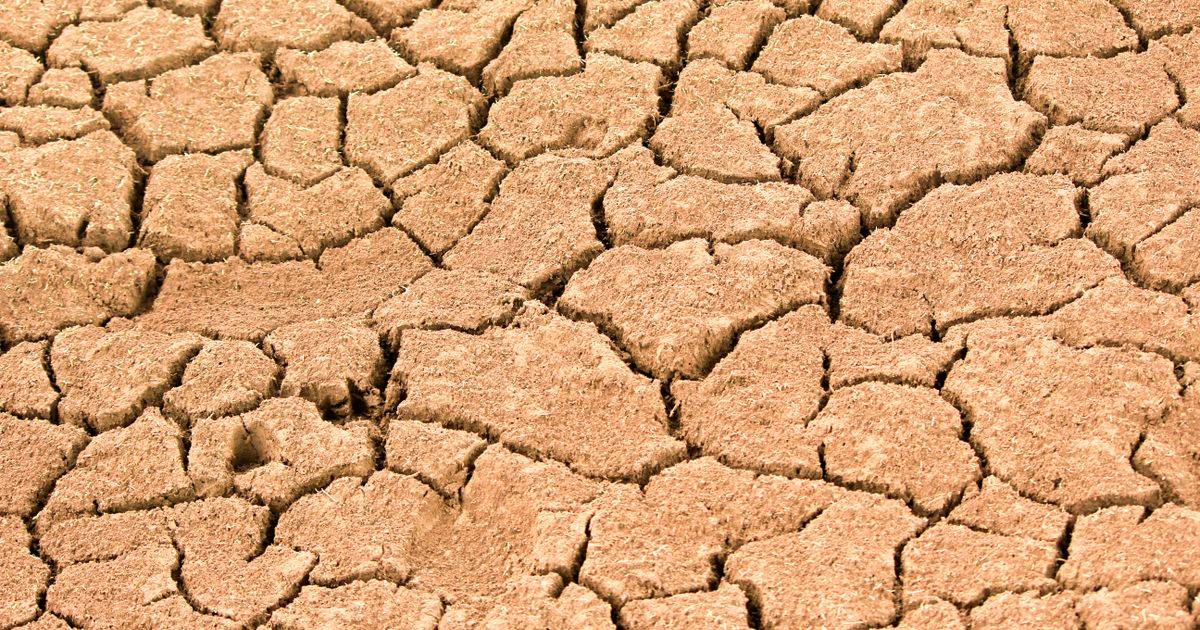
To understand dry skin on a structural level, one must examine lipid deficiency vs water loss skin mechanics. Sebum, produced by sebaceous glands, is a complex mixture of lipids including triglycerides, wax esters, squalene, and free fatty acids. In individuals with a dry skin type, these glands are naturally underactive, resulting in a chronic shortage of surface oils. Lipids act as the biological mortar holding skin cells together in the stratum corneum, creating a smooth surface and preventing natural moisture from escaping. Without sufficient oil, the skin struggles to maintain its protective shield.
Because of this inherent lipid scarcity, dry skin exhibits a unique set of noticeable characteristics. Pores are typically small and barely visible because minimal sebum passes through them. The skin surface often feels consistently rough or paper-thin, with a tendency toward persistent flakiness or dry patches regardless of the season. Without adequate lipids, the barrier function remains perpetually compromised, making dry skin particularly vulnerable to environmental irritants, cold winds, and premature fine lines. Individuals with dry skin require rich, nourishing lipid replenishment every single day to feel comfortable and prevent chronic sensitivity.
Dehydrated Skin: Transepidermal Water Loss and Lifestyle Triggers
While dry skin stems from a lack of oil, dehydrated skin is defined by a lack of water within the stratum corneum. This phenomenon is intimately tied to transepidermal water loss, a biological process where water evaporates from the middle and upper layers of the skin into the surrounding atmosphere. Every individual experiences a normal level of water loss daily, but when the skin barrier is stressed, this evaporation rate accelerates drastically, draining cells of essential hydration.
Numerous external triggers accelerate transepidermal water loss. Climate factors such as freezing winter air, low ambient humidity, blazing summer heat, and constant exposure to air conditioning or indoor heating rapidly siphon water from the skin. Everyday habits also play a major role, including taking excessively hot showers, using harsh sulfate cleansers, over-exfoliating with active acids, and failing to consume adequate fluids throughout the day. Interestingly, dehydrated skin can simultaneously feel oily on the surface. When the skin senses a sharp loss of water, it sometimes overcompensates by producing excess sebum, leaving you with an oily shine alongside deep underlying tightness and shadowing.
How to Identify Your Skin's Needs: Symptoms and Simple Tests
Determining whether your skin needs oil, water, or a combination of both is the first step toward building an effective regimen. A reliable diagnostic technique is the simple skin pinch test for elasticity. Gently pinch a small area of skin on your cheek or the back of your hand and hold it for a couple of seconds. Healthy, well-hydrated skin snaps back instantly. If the skin takes a moment to flatten or shows tiny crisscross fine lines during the pinch, your cells are likely suffering from dehydration and need immediate water replenishment.
You can also differentiate between dry skin and dehydrated skin by carefully observing your skin's visual appearance and touch. Dry skin typically manifests as persistent rough patches, noticeable white flakiness, and minimal pore size across the entire face. Dehydrated skin, on the other hand, presents as a dull, tired, or shadowed complexion with exaggerated fine surface lines that appear almost overnight. Furthermore, pay close attention to how your skin responds to different formulations. If applying a lightweight, watery hydrating serum causes immediate relief and absorbs instantly like a sponge, your skin was dehydrated. If your skin swallows light serums but still feels tight until you apply a rich, dense ointment or oil, your skin is dry and demands nourishing lipids.
Targeted Care Strategies and Repairing the Skin Barrier
To achieve long-term comfort, your daily skincare routine must address your specific deficiency while supporting the protective outer mantle. Effective hydration relies on combining humectants with occlusives and emollients. Humectants, such as hyaluronic acid, glycerin, and sodium PCA, act like molecular sponges that draw water into the upper epidermal layers. However, applying humectants alone is not enough; without lipids to seal them in, water will quickly evaporate into thin air. Emollients and occlusives, such as ceramides, plant oils, and squalane, create an impermeable layer that seals in water and restores lipid deficiency.
Taking proactive steps for repairing skin barrier health involves adjusting your daily habits and selecting gentle formulas. Consider implementing the following strategies to preserve skin health:
- Switch to a gentle, non-foaming, pH-balanced cleanser that cleanses without stripping natural oils.
- Avoid washing your face with hot water; instead, use lukewarm water to prevent melting away skin lipids.
- Pause the use of physical scrubs and high-concentration chemical exfoliants until your skin barrier stabilizes.
- Apply hydrating serums directly onto damp skin immediately after cleansing to trap maximum moisture.
- Incorporate ceramide-rich creams to reinforce the intercellular lipids that protect against water loss.
Please note that if you experience persistent severe peeling, intense redness, cracking, or burning sensations, it is wise to consult a dermatologist or healthcare provider. Severe irritation can sometimes indicate underlying clinical conditions such as eczema, psoriasis, or contact dermatitis that require targeted medical evaluation.
Final Thoughts on Achieving Balanced Skin Health
Navigating the differences between dry and dehydrated skin empowers you to make thoughtful, effective choices for your daily beauty routine. Remember that dry skin is an enduring skin type requiring rich lipid nourishment to replenish missing oils, while dehydrated skin is a temporary state demanding water-binding humectants and environmental protection. By observing seasonal climate shifts and listening to how your skin responds day to day, you can seamlessly adjust your products to match its evolving needs. Embracing a consistent, gentle approach centered on hydration and barrier support will help you achieve a resilient, glowing, and balanced complexion throughout every season of the year.
Frequently Asked Questions
Yes, oily skin can definitely be dehydrated. Dehydration refers to a lack of water in the skin, not oil. When oily skin loses water, it may produce even more oil to compensate, resulting in skin that feels greasy on the surface yet tight underneath.
Unlike a dry skin type which is permanent, dehydrated skin can often improve within a few days to a couple of weeks once you increase fluid intake, use humectants like hyaluronic acid, and stop using harsh, drying skincare products.
Key ingredients for repairing skin barrier health include ceramides, fatty acids, cholesterol, hyaluronic acid, glycerin, and niacinamide. These compounds help rebuild the protective outer layer and prevent moisture loss.
Drinking plenty of water helps overall body hydration and can improve dehydrated skin, but it will not transform a genetically dry skin type. Dry skin lacks natural oils, which must be replenished topically with lipid-rich moisturizers and oils.
If your skin is peeling due to barrier breakdown or severe dehydration, you should temporarily avoid exfoliating. Scrubbing or using active acids on compromised skin can cause further micro-tears, worsening both water loss and skin sensitivity.