
Can Dietary Supplements for Hearing Support Truly Work?

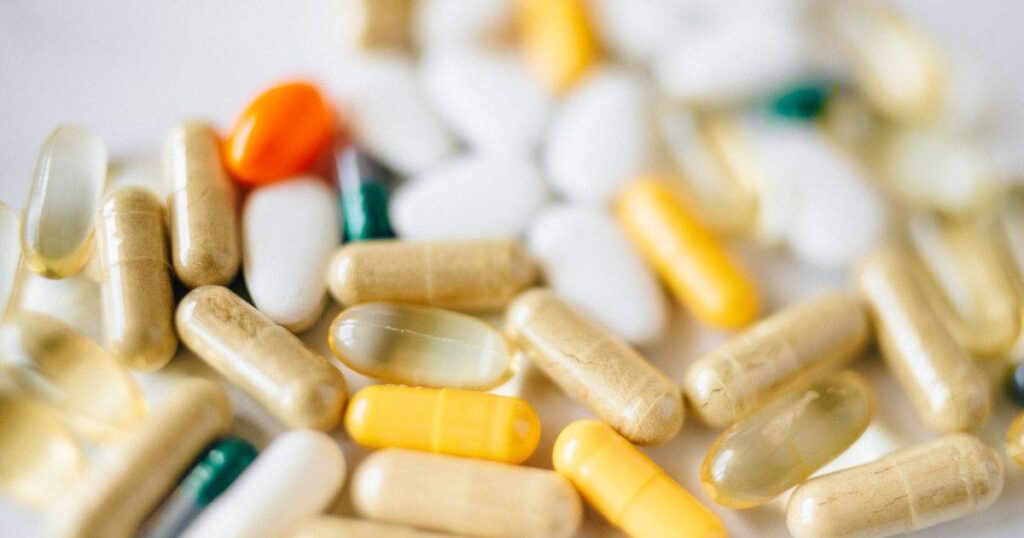
Explore whether supplements for hearing support can protect your inner ear, boost microcirculation, and shield delicate cells from noise-induced stress.
Hearing is one of our most vital senses, connecting us to loved ones, music, and the environment around us. However, factors such as age-related degeneration, environmental noise, and systemic physiological changes can gradually compromise auditory acuity. As awareness of wellness grows, many people are turning to dietary supplements for hearing support as a complementary strategy alongside routine medical evaluations. While targeted nutrients cannot miraculously restore damaged hearing, scientific research indicates that specific vitamins and minerals play an indispensable role in maintaining inner ear integrity and neurological sound processing. Understanding the physiological mechanisms behind nutritional support helps frame realistic expectations, allowing individuals to make informed decisions about preserving their long-term hearing wellness.
Understanding How Nutrition Impacts Auditory Function
The human auditory system is an intricate biological marvel, but it is also remarkably vulnerable to metabolic strain. Inside the cochlea reside thousands of microscopic sensory hair cells, known as stereocilia. These delicate structures convert sound vibrations into electrical signals that travel along the auditory nerve to the brain. Unlike many other body tissues, these hair cells do not regenerate once they are lost or damaged. Furthermore, the inner ear relies on a singular microvascular network with no secondary blood supply, making it exceedingly dependent on uninterrupted oxygenation and nutrient delivery.
Because the metabolic demands of constant sound processing are high, even subtle deficiencies in key nutrients or reductions in blood flow can impair cellular function. Good nutrition provides the structural building blocks and biological support required for vascular tone, nerve transmission, and cellular energy production. When microcirculation is compromised, hair cells experience metabolic stress, making them significantly more susceptible to mechanical trauma from loud noise and progressive age-related wear. Maintaining a nutrient-dense diet combined with tailored supplementation helps reinforce the capillary walls of the inner ear, supporting smooth blood flow and providing essential raw materials for optimal neuronal performance.
Antioxidants and Auditory Health: Shielding Delicate Inner Ear Cells
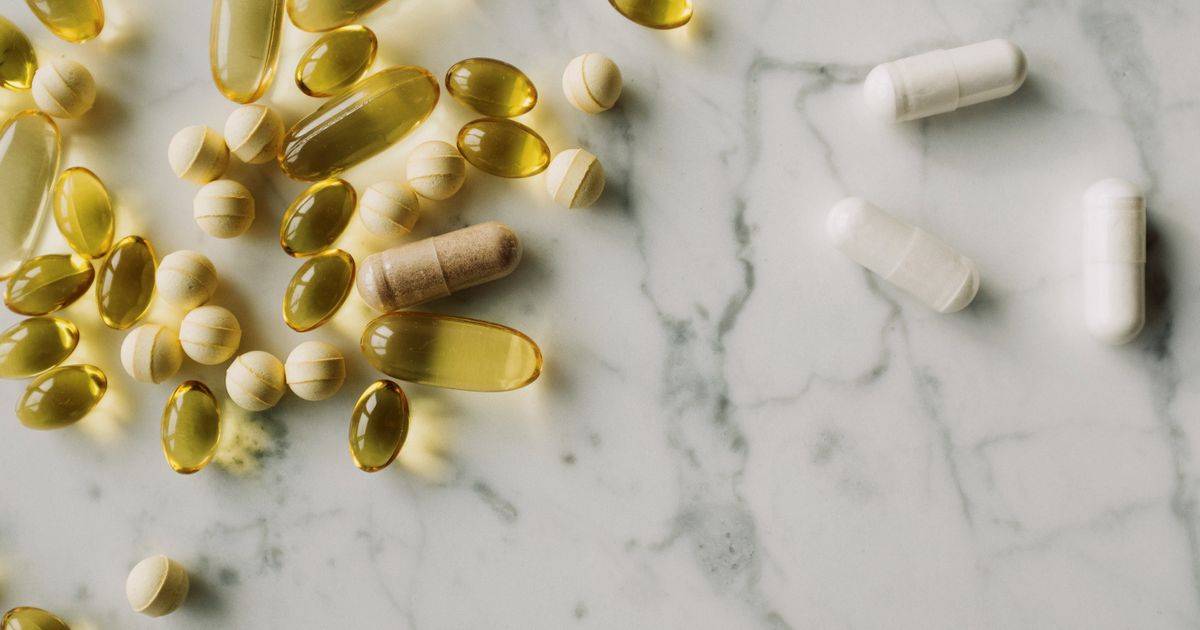
One of the primary drivers of inner ear cellular damage is oxidative stress. When ears are exposed to high-volume sounds or continuous metabolic strain, the tissue generates excessive amounts of reactive oxygen species, commonly known as free radicals. These unstable molecules damage cellular membranes, disrupt cellular DNA, and ultimately trigger programmed cell death in stereocilia. Research into antioxidants auditory health connections reveals that neutralizing free radicals before they can inflict permanent structural harm is crucial for inner ear longevity.
Key antioxidants such as Vitamin C, Vitamin E, and Alpha-Lipoic Acid work synergistically to scavenge harmful oxidants and reinforce cellular defenses. Vitamin C offers aqueous antioxidant protection, whereas Vitamin E guards lipophilic cell membranes. Alpha-Lipoic Acid acts as a versatile compound capable of regenerating other depleted antioxidants like glutathione within auditory tissues. By maintaining robust antioxidant reserves, the body can better withstand the cellular stress associated with noise exposure and environmental toxins. However, individuals considering therapeutic doses should consult a healthcare professional, as excessive supplementation of certain fat-soluble antioxidants can interact with medications or present unintended health risks.
Magnesium and Vascular Support for Auditory Protection
Magnesium is an essential mineral involved in over three hundred enzymatic reactions throughout the human body, and its importance to auditory health is substantial. When the inner ear is subjected to acoustic trauma from loud music, heavy machinery, or explosive sounds, local blood vessels undergo intense constriction. This vasospasm restricts blood flow, depriving delicate inner ear structures of vital oxygen and nutrients. Utilizing magnesium for hearing loss prevention strategies relies on its powerful vasodilatory and neuroprotective properties.
Functionally, magnesium acts as a natural calcium channel blocker, easing vascular constriction and supporting steady blood flow to the cochlea during acoustic stress. In addition, magnesium helps control the excessive release of glutamate, an excitatory neurotransmitter that can damage auditory nerve fibers when elevated during loud noise exposure. Incorporating magnesium-rich foods such as dark leafy greens, pumpkin seeds, and almonds provides a strong baseline. For targeted intake, supplementary forms like magnesium glycinate or magnesium citrate offer enhanced bioavailability. As with any potent mineral, consulting a primary physician prior to initiating high-dose magnesium supplementation is essential to ensure proper dosage and avoid interactions with kidney or cardiovascular conditions.
Key B-Vitamins and Vitamin D in Nerve and Cellular Function
Beyond antioxidants and minerals, specific B-complex vitamins play a central role in maintaining auditory nerve transmission and microvascular health. Vitamin B12 and Folate (Vitamin B9) are indispensable for myelin sheath maintenance and cellular metabolism. Deficiencies in B12 or Folate are frequently associated with elevated circulating levels of homocysteine, an amino acid linked to endothelial damage and compromised microcirculation in the inner ear. Reduced blood flow due to high homocysteine can impair auditory nerve signaling, contributing to progressive age-related hearing decline.
Vitamin D also contributes significantly to auditory architecture, particularly in maintaining the strength and density of the middle ear ossicles. These three tiny bones, known as the malleus, incus, and stapes, must remain structurally sound to transmit mechanical sound vibrations efficiently. Low Vitamin D levels can lead to bone density loss in these delicate structures, potentially impairing sound transmission. To optimize these benefits safely, individuals should request routine blood work from a physician to measure baseline vitamin levels before beginning high-dose supplementation routines.
Realistic Expectations: What Supplements Can and Cannot Do
While targeted nutritional support plays a meaningful preventive and supportive role, it is crucial to maintain realistic expectations regarding what supplements can accomplish. Dietary supplements for hearing support are designed to nourish tissues, promote healthy microcirculation, and defend against oxidative stress. However, they are not curative remedies. Consumers must understand clear boundaries between supportive nutrition and clinical intervention.
- Supplements cannot reverse permanent acoustic trauma or restore hair cells that have already died.
- Nutritional formulas cannot fix mechanical blockages, ear canal obstructions, or perforated eardrums.
- Dietary products cannot replace necessary medical devices like prescription hearing aids or cochlear implants.
Be vigilant regarding marketing red flags, such as claims promising miracle cures, overnight hearing restoration, or instant tinnitus elimination. Severe, sudden, or asymmetrical hearing changes require immediate diagnostic evaluation by an audiologist or ear, nose, and throat doctor rather than self-treatment with over-the-counter pills. Always discuss supplement choices with your doctor to ensure safety and alignment with your total medical profile.
Final Thoughts on Protecting Your Hearing Naturally
Maintaining auditory health requires a proactive, holistic approach that combines intelligent nutritional choices with proactive physical protection. Utilizing targeted dietary supplements for hearing support offers a practical, science-backed way to nourish the inner ear microvasculature and defend against cumulative oxidative stress. However, these nutrients function best as part of a comprehensive conservation lifestyle that includes wearing protective earplugs in loud environments, keeping audio volumes at safe levels, and scheduling routine hearing exams.
Prioritize high-quality food sources and targeted supplements, but always consult a qualified healthcare provider or otolaryngologist before starting any new dietary regimen. By taking intentional, balanced steps today, you can support your inner ear health and enjoy vibrant hearing for years to come.
Frequently Asked Questions
No, dietary supplements cannot cure tinnitus. While certain nutrients like magnesium and antioxidants may support vascular flow and nerve health, tinnitus can stem from various underlying medical causes requiring clinical evaluation by an audiologist or ENT specialist.
Magnesium helps protect hearing by promoting vascular relaxation in the inner ear, maintaining healthy blood flow during loud noise exposure, and helping to regulate excitatory neurotransmitter activity that can otherwise stress auditory nerve cells.
Vitamins cannot reverse age-related hearing loss once sensory hair cells in the cochlea have died. However, adequate nutrient intake can support ongoing microvascular health and help protect remaining auditory structures from excessive oxidative damage.
Antioxidants such as Vitamin C, Vitamin E, and Alpha-Lipoic Acid are frequently cited for auditory health because they neutralize free radicals generated by loud noise and metabolic strain, protecting delicate inner ear tissues.
Yes, you should always consult a physician or healthcare provider before beginning any supplement routine. A professional can review your overall health, check for vitamin deficiencies through blood work, and prevent potential interactions with existing medications.