
Best Everyday Foods That Support Liver Detox Daily

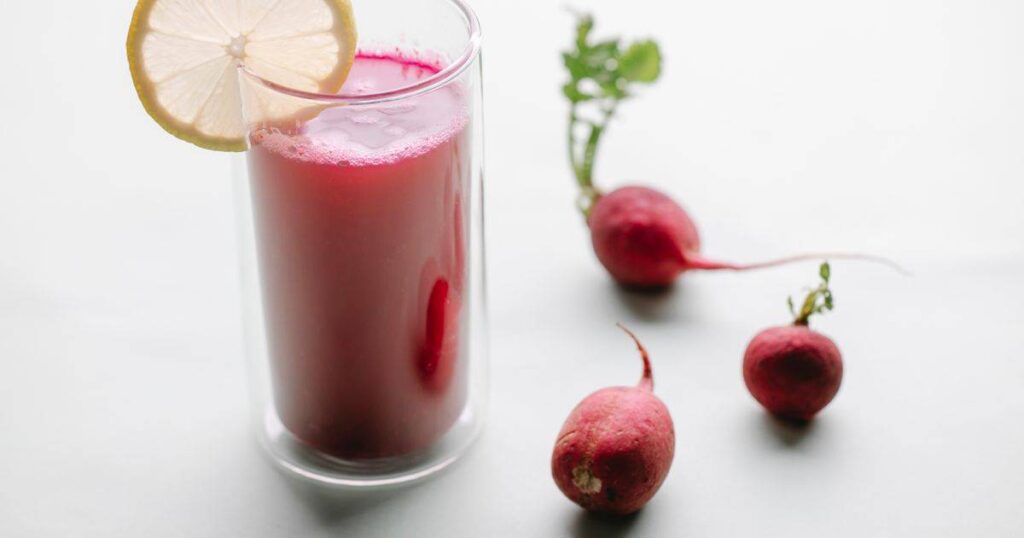
Discover the science behind natural Phase 1 and Phase 2 liver pathways and learn which everyday nutrient-dense foods support optimal bodily detoxification.
The wellness world is filled with promises of rapid weekend cleanses, commercial juice fasts, and proprietary detox teas. However, human physiology relies on a much more sophisticated system than any store-bought liquid protocol. The human liver serves as the primary metabolic filtering organ, processing metabolic byproducts, pharmaceuticals, environmental compounds, and dietary waste twenty-four hours a day. Instead of requiring harsh restrictions, the liver depends on a continuous supply of micro and macronutrients to fuel its intrinsic two-phase enzymatic pathways. Consuming nutrient-dense everyday foods that support liver detox provides the essential cofactors necessary for these enzymatic systems to run efficiently. By understanding how nutrition directly powers hepatic cellular pathways, you can support your body's natural cleansing mechanisms through sustainable daily choices rather than temporary quick fixes.
Understanding the Science: How Phase 1 and Phase 2 Liver Detoxification Work
Hepatic detoxification is a coordinated, multi-step enzymatic process split into two distinct stages: Phase 1 oxidation and Phase 2 conjugation. During Phase 1, a large family of enzymes known as Cytochrome P450 handles lipid-soluble molecules, environmental toxins, and internal metabolic waste. These enzymes alter the chemical structure of target compounds using oxidation, reduction, or hydrolysis. While Phase 1 renders these substances more soluble, it frequently converts them into highly reactive intermediate compounds. If left unchecked, these intermediate molecules can cause oxidative stress and cellular damage within hepatic tissue.
To prevent cellular damage, the body relies immediately on Phase 2 detoxification pathways. In Phase 2, specialized enzymes bind these reactive intermediates with protective water-soluble molecules, a process known as conjugation. Common conjugators include glutathione, specific amino acids, glucuronic acid, and sulfur molecules. Once conjugated, the altered waste products become harmless, highly water-soluble, and easily transportable. They are then naturally excreted from the body via bile into the gastrointestinal tract or via blood plasma through the kidneys. A healthy liver requires a precise biochemical balance between Phase 1 and Phase 2. If Phase 1 runs too quickly without adequate Phase 2 cofactors, intermediate toxins accumulate. Specific dietary nutrients provide the essential substrate building blocks and enzyme activators that maintain this crucial physiological harmony.
Cruciferous Vegetables: Essential Fuel for Phase 2 Enzymes

Cruciferous vegetables represent one of the most potent food groups for supporting hepatic cellular function. Vegetables such as broccoli, Brussels sprouts, cabbage, cauliflower, and kale are rich in bioactive phytochemicals, specifically sulfur-bearing compounds called glucosinolates. When chewed and digested, glucosinolates convert into active metabolites like sulforaphane and indole-3-carbinol. These compounds play a direct, scientifically documented role in upregulating gene expression related to cellular defense mechanisms.
Sulforaphane is particularly effective at stimulating the Nuclear factor erythroid 2-related factor 2 (Nrf2) pathway. The Nrf2 pathway acts as the master genetic switch for cellular antioxidant production, driving the synthesis of protective Phase 2 detoxification enzymes such as glutathione S-transferase and quinone reductase. Concurrently, indole-3-carbinol assists in balancing hormone clearance pathways, helping the liver break down excess estrogen safely. Integrating cruciferous vegetables liver support into your daily meals offers ongoing protection against metabolic stress.
To maximize the nutritional benefits of cruciferous plants, preparation methods matter significantly. The enzyme myrosinase, which converts glucosinolates into active sulforaphane, is sensitive to high heat. Overboiling cruciferous vegetables inactivates this crucial enzyme and reduces their biochemical efficacy. Lightly steaming broccoli or kale for three to four minutes preserves myrosinase activity while softening plant fibers for easy digestion. Chopping these vegetables ten to fifteen minutes prior to light cooking can also significantly increase active sulforaphane yield.
Allium Vegetables and Sulfur-Rich Foods to Boost Glutathione
Glutathione is frequently referred to as the master antioxidant of the human body. Beyond neutralizing free radicals, glutathione is the primary molecule used in Phase 2 glutathione conjugation, binding directly to heavy metals, environmental pollutants, and metabolic waste products. Because glutathione is rapidly consumed during active conjugation, the liver requires a continuous supply of key amino acids and sulfur compounds to replenish its internal stores.
Allium vegetables, including garlic, onions, leeks, shallots, and chives, contain high concentrations of organosulfur compounds. These natural sulfur molecules provide essential building blocks that fuel the body's endogenous glutathione synthesis. Incorporating allium vegetables into daily cooking provides steady biochemical support for Phase 2 pathway efficiency.
In addition to allium plants, dietary proteins high in sulfur-containing amino acids such as cysteine and methionine are indispensable for liver health. Pasture-raised eggs, poultry, legumes, and seeds supply these vital amino acids directly. When paired with organosulfur vegetables, these nutrient-dense foods ensure that the liver maintains an abundant supply of raw materials to conjugate reactive intermediates. Choosing whole, nutrient-dense foods for liver cleanse and maintenance provides a sustainable, long-term approach to metabolic wellness.
Antioxidant-Rich Polyphenols: Protecting the Liver During Detoxification
Because Phase 1 Cytochrome P450 oxidation inherently generates reactive oxygen species, protecting liver cells from oxidative stress is vital. Antioxidant polyphenols neutralize free radicals before they can injure hepatic cell membranes or mitochondria. Incorporating diverse polyphenol-rich foods creates a protective buffer during active metabolic processing.
Green tea is exceptionally rich in epigallocatechin gallate (EGCG), a powerful polyphenol that enhances antioxidant enzyme capacity and protects hepatic tissue from lipid peroxidation. Similarly, dark berries like blueberries, blackberries, and raspberries contain high levels of anthocyanins, which reduce inflammation and support cellular resilience. Citrus fruits, particularly lemons, limes, and grapefruits, contribute beneficial flavonoids such as naringenin alongside high doses of vitamin C, encouraging balanced Phase 1 and Phase 2 enzyme activity.
However, caution is warranted regarding high-dose concentrated supplements. While whole brewed green tea and fresh citrus are deeply supportive, concentrated green tea extracts in pill form have been linked to potential liver stress in susceptible individuals. It is always wise to consult your doctor or qualified healthcare professional before taking high-dose polyphenol extracts, especially if you have pre-existing liver conditions or take prescription medications.
Leafy Greens and Beetroot: Supporting Bile Flow and Elimination
Once Phase 2 conjugation converts toxins into water-soluble molecules, the body must efficiently transport and eliminate them. Bile, a digestive fluid produced by hepatocytes and stored in the gallbladder, serves as the primary transport vehicle for carrying conjugated waste products out of the liver and into the small intestine for final excretion through the stool. Smooth bile synthesis and unimpeded bile flow are necessary to complete the detoxification process.
Bitter leafy greens such as dandelion greens, arugula, radicchio, and endive naturally stimulate bile production. The bitter compounds interact with taste receptors that trigger digestive enzyme secretion and bile flow, ensuring that metabolic waste does not accumulate in the biliary tract. Leafy greens also contain rich concentrations of chlorophyll, which helps bind environmental toxins within the digestive tract and reduces the burden placed back onto the liver.
Beetroot offers complementary support through its high content of betalains and inorganic nitrates. Betalains are red pigments with potent antioxidant and anti-inflammatory properties that assist liver enzyme production and cellular repair. Inorganic nitrates improve vascular health and blood flow, ensuring adequate oxygen and nutrient delivery to hepatic tissues. Consuming whole beets and leafy greens delivers synergistic benefits, encouraging natural waste elimination without taxing the organ system.
Building a Daily Liver-Supporting Meal Plan
Supporting natural liver detoxification does not require restrictive fasting or unproven commercial cleanse protocols. Instead, consistent daily incorporation of functional whole foods creates a reliable foundation for long-term hepatic vitality.
A practical, liver-supportive daily meal plan might include:
- Breakfast: Scrambled pasture-raised eggs served with sautéed spinach, diced onions, and a cup of freshly brewed green tea.
- Lunch: A vibrant salad featuring bitter greens like arugula and dandelion, topped with roasted beetroot slices, steamed broccoli florets, pumpkin seeds, and a lemon-olive oil dressing.
- Dinner: Baked wild-caught salmon or garlic-herb roasted lentils, paired with lightly steamed Brussels sprouts and a side of massaged kale with garlic.
- Snacks: Fresh blueberries, dark sweet cherries, or a small handful of walnuts.
It is crucial to avoid extreme detox teas, unregulated liver supplements, and severe calorie restriction, as these practices can cause electrolyte imbalances and burden the liver. Foundational habits remain the most effective strategy: maintain thorough daily hydration with water, limit alcohol consumption, prioritize adequate sleep, and emphasize a balanced diet rich in whole plant foods. If you have a known liver condition, take regular medications, or are considering significant dietary modifications, consult your doctor to ensure safety and individual suitability.
Final Thoughts on Science-Based Liver Support
The human body possesses a highly refined, scientifically proven detoxification system that works continuously without the need for commercial cleanses. Phase 1 and Phase 2 liver pathways rely directly on a constant supply of dietary antioxidants, organosulfur compounds, amino acids, and plant polyphenols to process and eliminate internal and external waste efficiently.
By choosing cruciferous vegetables, allium foods, bitter greens, berries, and sulfur-rich proteins on a daily basis, you provide your liver with the exact cofactors required for optimal function. Sustainable health is built through daily consistency, not short-term quick fixes. Nourishing your body with a nutrient-dense whole food diet provides the safest, most effective long-term support for lifelong liver vitality.
Frequently Asked Questions
Phase 1 detoxification uses Cytochrome P450 enzymes to break down lipid-soluble compounds into intermediate molecules. Phase 2 detoxification then conjugates these intermediate molecules with substances like glutathione, amino acids, or sulfur to render them water-soluble and safe for excretion.
Cruciferous vegetables contain glucosinolates, which convert into active compounds like sulforaphane and indole-3-carbinol. These compounds trigger genetic pathways that boost the production of protective Phase 2 enzymes and assist in hormone clearance.
No, commercial juice cleanses are unnecessary and often lack the proteins, sulfur compounds, and dietary fiber required to fuel actual Phase 1 and Phase 2 liver detoxification processes. Whole, nutrient-dense foods provide superior biological support.
Allium vegetables like garlic, onions, and leeks provide organosulfur compounds that stimulate glutathione production. Sulfur-rich protein sources such as eggs, poultry, legumes, and seeds provide essential amino acids like cysteine needed for glutathione synthesis.
While whole brewed green tea is safe and beneficial for liver health, high-dose concentrated green tea extracts in supplement form have been associated with potential hepatic stress in some individuals. Always consult a healthcare professional before taking concentrated extracts.