
7 Best Everyday Foods That Boost Immunity Naturally

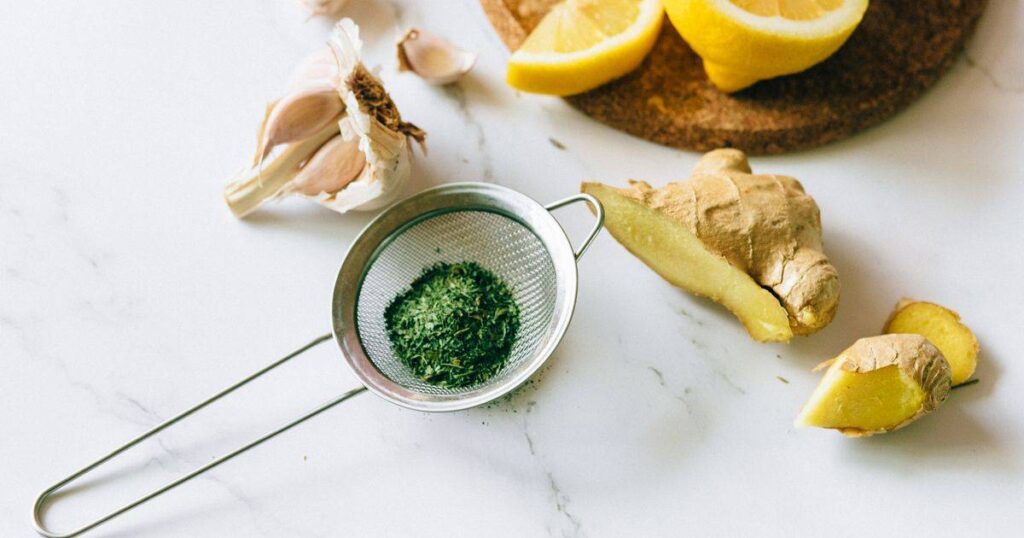
Discover evidence-backed foods that boost immunity naturally. Learn how vitamin C, fermented foods, garlic, nuts, and greens support your health.
The human immune system is a complex, sophisticated network of cells, tissues, and organs working around the clock to protect the body against external pathogens and internal stress. Far from being an isolated system that can be switched on or off with a single supplement, immune resilience depends on a continuous, balanced supply of key micronutrients, antioxidants, and dietary fiber. Every cell involved in your immune response requires energy and specific cofactors to develop, differentiate, and communicate effectively. Incorporating whole foods that boost immunity naturally into your daily routine provides your body with these critical biological building blocks. Rather than relying on unproven quick fixes or heavy doses of isolated pills, science consistently points toward a diverse, nutrient-dense diet as the most reliable way to maintain baseline defenses. By focusing on everyday whole foods, you support your immune system organically through daily culinary choices.
Vitamin C-Rich Produce: Citrus Fruits and Bell Peppers
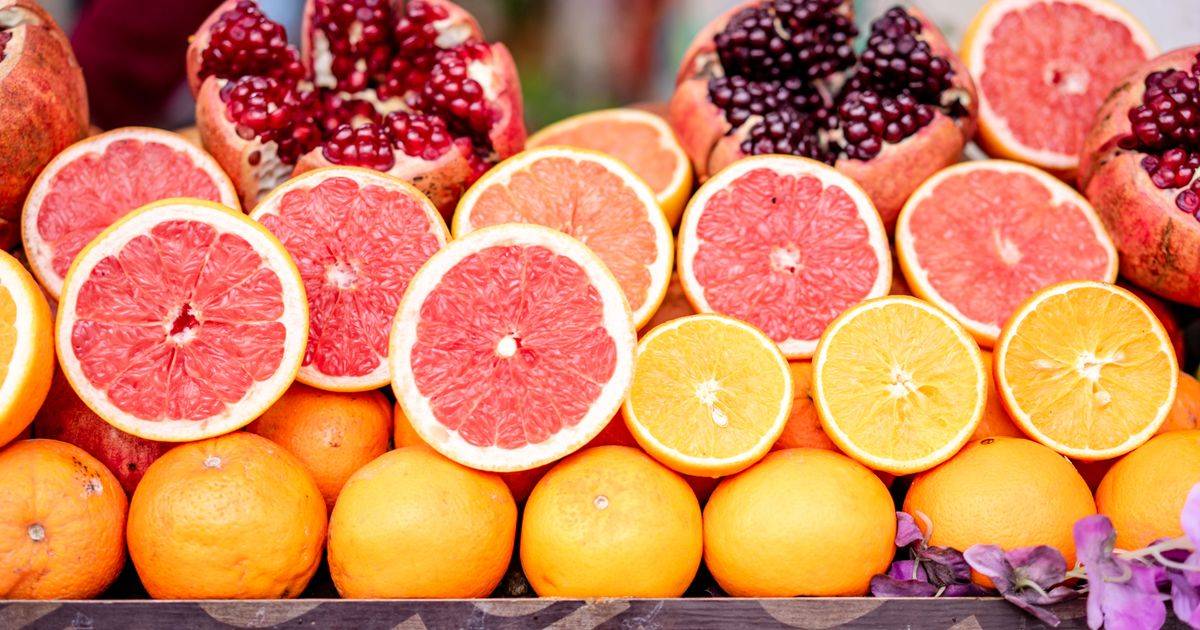
When discussing nutritional defenses, vitamin C remains one of the most thoroughly researched essential nutrients. Chemically known as ascorbic acid, vitamin C functions as a powerful water-soluble antioxidant that actively protects cellular structures from oxidative damage caused by reactive oxygen species. At the cellular level, vitamin C accumulates rapidly within white blood cells, particularly phagocytes and lymphocytes. It enhances the mobility and microbe-killing capacity of neutrophils, while simultaneously stimulating the production and functional clearance of spent immune cells. Furthermore, vitamin C helps preserve the physical integrity of epithelial barriers, such as the skin and mucous membranes, which serve as the primary defensive wall against external environmental threats.
While many people instinctively turn to citrus fruits like oranges, lemons, grapefruits, and limes when seeking dietary sources, red bell peppers actually contain even higher concentrations of vitamin C per serving. Other excellent sources include strawberries, kiwifruit, and broccoli. Because the human body lacks the enzyme required to synthesize ascorbic acid internally, it cannot produce or store vast reserves of this vital nutrient. As a result, regular daily intake through whole produce is necessary to keep cellular tissue saturated and ready to respond to physiological challenges.
Fermented Foods and the Gut-Immune Axis
Modern immunology has revealed that a substantial portion of the body's immune system, approximately 70 percent, resides directly within the gastrointestinal tract in a specialized network called gut-associated lymphoid tissue. This intimate structural connection makes the gut microbiome a central command center for systemic immune health. The trillions of beneficial bacteria residing in the intestines actively train immune cells to distinguish between harmless compounds and foreign invaders. Consuming fermented natural immune system foods introduces live probiotic microorganisms and unique bacterial metabolites that reinforce this delicate internal ecosystem.
Traditional fermented foods such as unflavored yogurt, kefir, sauerkraut, kimchi, and traditional miso are rich in beneficial bacterial strains like Lactobacillus and Bifidobacterium. When consumed regularly, these live microbes break down dietary fibers to produce short-chain fatty acids, including butyrate, acetate, and propionate. These fatty acids nourish the cells lining the intestinal wall, strengthen tight junction barriers, and prevent undesirable substances from leaking into the bloodstream. In addition, probiotic microorganisms stimulate mucosal antibody production and modulate inflammatory signaling, ensuring that immune responses remain balanced and targeted across the entire body.
Garlic and Alliums: Bioactive Compounds for Defense
Alliums, a plant family that includes garlic, onions, leeks, shallots, and chives, have been valued across cultures for centuries for their culinary and medicinal attributes. Contemporary clinical research focuses on the bioactive organosulfur compounds present in these aromatic vegetables. Among these, allicin is particularly notable. Allicin is created when raw garlic is crushed, chopped, or chewed, triggering an enzymatic reaction between the compound alliin and the enzyme alliinase. Bioactive sulfur compounds support innate immune defenses by enhancing the activity of natural killer cells, macrophages, and T-lymphocytes, helping the body manage oxidative stress and cellular challenges.
To maximize the retention of bioactive compounds during meal preparation, culinary experts recommend crushing or mincing fresh garlic and allowing it to rest at room temperature for roughly ten minutes before applying heat. This resting window gives the alliinase enzyme sufficient time to generate maximum levels of allicin before cooking temperature inactivates it. While culinary amounts of garlic are generally safe and nourishing for most individuals, high intake or concentrated garlic supplements may cause gastrointestinal upset or interact with certain medications, particularly blood thinners. It is always wise to consult a healthcare professional before making drastic changes to your intake or starting concentrated herbal supplements.
Nuts, Seeds, and Vitamin E: Lipophilic Antioxidant Support
While water-soluble antioxidants like vitamin C protect fluid compartments within the body, fat-soluble antioxidants play an equally essential role in protecting lipid-dense cellular membranes. Vitamin E, primarily in its bioactive form alpha-tocopherol, serves as a primary lipophilic antioxidant. Immune cell membranes contain high concentrations of polyunsaturated fatty acids, making them particularly vulnerable to oxidative damage during active immune responses. Vitamin E neutralizes free radicals within these lipid layers, preserving membrane fluidity, signal transduction, and structural integrity in T-cells and other circulating defensive cells.
Incorporating a variety of nuts and seeds into an immune boosting diet provides a concentrated source of dietary vitamin E alongside essential healthy fats. Almonds, sunflower seeds, hazelnuts, and walnuts are exceptional choices that easily fit into daily meals or snacks. In addition to vitamin E, seeds and nuts deliver critical trace minerals such as zinc and selenium. Zinc is fundamental for the development and functional maturation of immune cells, while selenium supports antioxidant enzymes like glutathione peroxidase. Together, these nutrients form a robust nutritional foundation that keeps cellular machinery functioning smoothly under conditions of physiological demand.
Leafy Greens and Culinary Mushrooms: Phytonutrients and Beta-Glucans
Dark leafy green vegetables and edible fungi represent another powerful combination for supporting daily immune function. Dark greens like spinach, kale, Swiss chard, and collard greens offer a rich array of essential micronutrients, including provitamin A carotenoids, vitamin C, folate, and dietary fiber. Beta-carotene converts into vitamin A within the body, playing an irreplaceable role in maintaining mucosal linings throughout the respiratory and digestive tracts. Folate supports rapid cell division, ensuring that immune cells can multiply efficiently when activated. Furthermore, the diverse plant pigments and polyphenols in greens neutralize free radicals and help maintain healthy inflammatory balance.
Culinary and medicinal mushrooms, including shiitake, maitake, crimini, and oyster varieties, offer a unique class of bioactive carbohydrate compounds known as beta-glucans. These complex polysaccharides interact with specific pattern recognition receptors, such as dectin-1, located on the surface of macrophages, dendritic cells, and natural killer cells. This interaction gently primes innate immune cells, enhancing their readiness to respond without triggering unnecessary systemic inflammation. Combining diverse plant foods, such as stir-frying leafy greens with mixed mushrooms, creates culinary synergy that delivers complementary phytonutrients in every bite.
Building a Sustainable Immune-Supporting Diet
Nourishing your body through everyday nutrition is a long-term strategy rather than a temporary quick fix. No single superfood or supplement possesses magic properties capable of single-handedly preventing illness. Instead, immune resilience is built through the consistent, harmonious interaction of diverse whole foods eaten daily. By regularly consuming vitamin C-rich produce, fermented foods, aromatic alliums, nutrient-dense nuts, vibrant leafy greens, and culinary mushrooms, you provide your immune system with the essential tools it needs to function at its peak.
It is equally important to remember that dietary choices exist within a broader lifestyle context. Restorative sleep, regular physical movement, adequate daily hydration, and proactive stress management work in tandem with good nutrition to support overall wellbeing. For personalized guidance or specific dietary modifications tailored to your individual health history, consider consulting a registered dietitian or healthcare professional.
Frequently Asked Questions
No single food can completely prevent illness or guarantee immunity. However, consistently eating nutrient-dense whole foods provides essential vitamins, minerals, and antioxidants that help your immune system function at its best, reducing your susceptibility and supporting a faster recovery.
Both raw and cooked vegetables offer distinct health benefits. Some heat-sensitive nutrients, like vitamin C, are better preserved in raw produce, whereas other antioxidants, such as lycopene and beta-carotene, become more bioavailable when vegetables are cooked or heated gently.
Nutritional immunity relies on sustained, long-term dietary patterns rather than immediate quick fixes. While your body absorbs vitamins and minerals from a single meal within hours, building robust cellular defense mechanisms requires consistent daily intake over weeks and months.
Whole foods are generally preferable because they provide complex combinations of vitamins, minerals, dietary fiber, and phytonutrients that work together synergistically. Supplements can help correct specific diagnosed deficiencies, but whole foods provide broader, safer nutritional support.
Hydration is vital for maintaining fluid balance, supporting blood circulation, and producing lymph, which carries white blood cells throughout the body. Staying properly hydrated also keeps mucous membranes moist, reinforcing physical barriers against external microbes.