
Damaged Skin Barrier Repair: A Guide to Acid Mantle

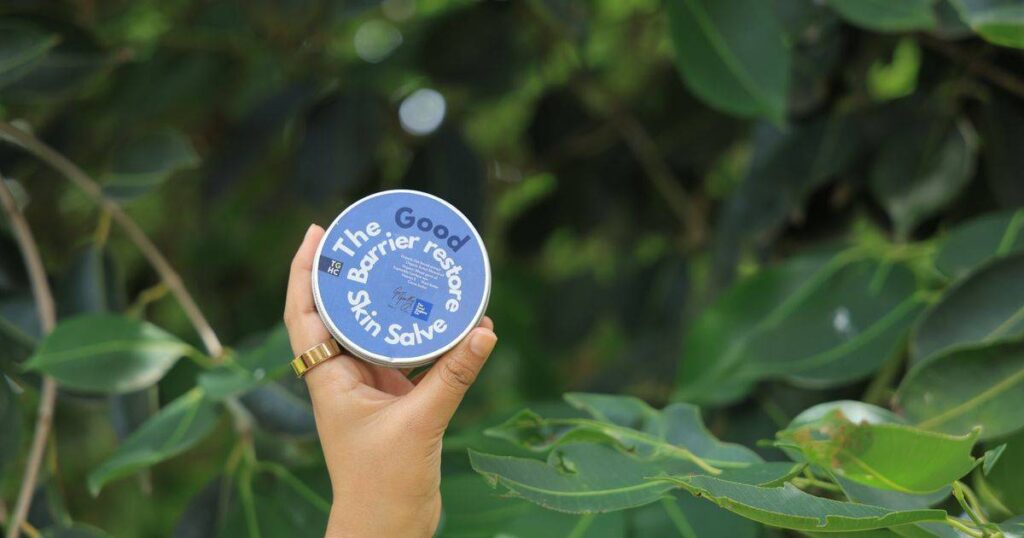
Learn how harsh cleansers break down your acid mantle pH and discover effective steps for damaged skin barrier repair to restore healthy skin.
Many people grow up believing that a truly clean face feels squeaky, tight, and completely matte after washing. However, that pulled, uncomfortable sensation after cleansing is actually a cry for help from your skin. When your face feels tight or exhibits sudden redness, you have not just washed away dirt and excess oil. You have stripped away your acid mantle, a delicate film on the surface of your skin that serves as your primary line of defense. Understanding how this system works is the first step toward effective damaged skin barrier repair. Rebuilding your skin does not require complicated rituals or aggressive treatments. By adopting a gentle, supportive routine, you can heal your compromised outer layer, restore essential moisture, and reclaim calm, balanced, and resilient skin.
Understanding the Acid Mantle: Your Skin's Natural Protective Shield
To understand why gentle skincare is so vital, you must first look at the biological shield known as the acid mantle. This microscopic layer resides on the outermost surface of the epidermis, formed by a precise blend of sebum, sweat, amino acids, and beneficial microflora. Together, these elements create a slightly acidic surface environment with a healthy skin acid mantle pH typically ranging between 4.5 and 5.5. This mild acidity is far from accidental; it serves an essential biological purpose in maintaining long-term cutaneous health and structural integrity.
The acid mantle acts as a natural guardian against environmental aggression. Its acidic environment creates a hostile territory for harmful bacteria, fungi, and pathogenic microorganisms, while nurturing the beneficial flora that keep your skin microbiome balanced. Furthermore, the skin's natural enzymes responsible for lipid synthesis and structural shedding rely entirely on this acidic environment to function properly. When the skin maintains its ideal acidic state, critical enzymes active in ceramide production work efficiently, strengthening the moisture barrier and preventing excess transepidermal water loss. Protecting this acidic film ensures that your skin remains resilient, hydrated, and capable of self-repair.
How Harsh Cleansers Disrupt pH and Strip Protective Lipids
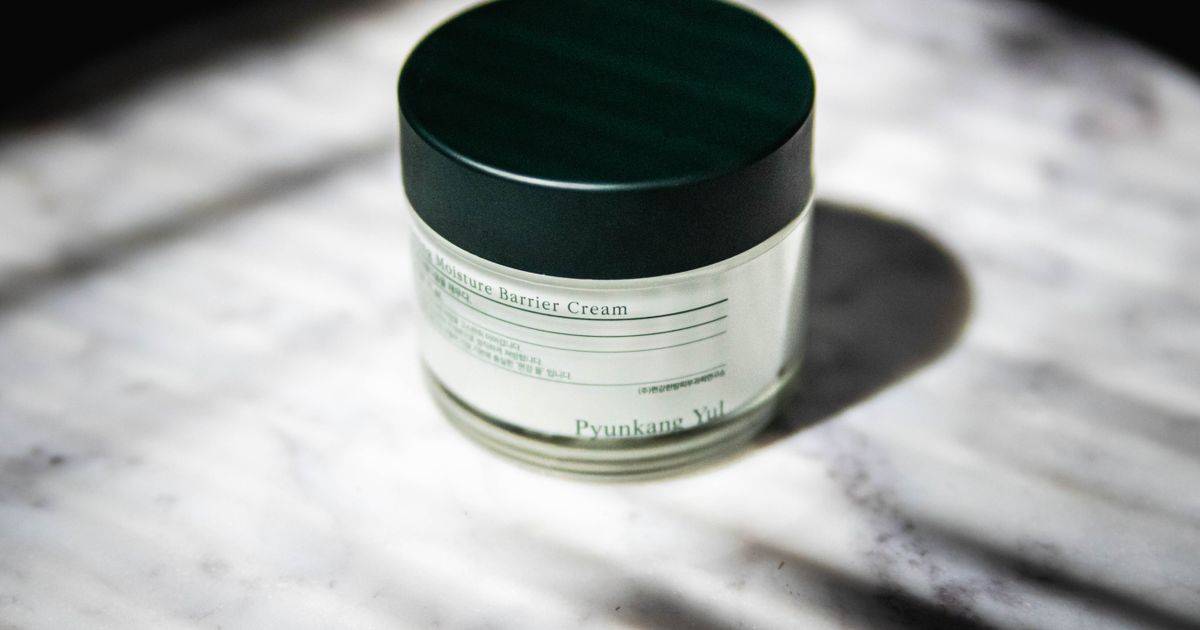
Despite the biological necessity of an acidic barrier, many traditional skincare products work directly against it. Classic bar soaps and aggressive foaming cleansers often feature an alkaline pH ranging from 9 to 10. Harsh surfactants, such as Sodium Lauryl Sulfate, are formulated to bind aggressively to oils. While this process removes heavy debris, it also dissolves the essential lipids that bind your skin cells together, including ceramides, cholesterol, and free fatty acids. Washing with a high-pH surfactant essentially strips away the structural mortar holding your outer skin cells in place.
When an alkaline cleanser contacts your skin, it immediately shifts your surface pH upward. Research indicates that a single wash with a high-pH soap can elevate skin pH for several hours following use. During this period of elevated pH, essential barrier-building enzymes become inactive, while destructive enzymes that break down structural proteins become hyperactive. This prolonged imbalance leads to structural degradation, increased water evaporation, and heightened susceptibility to environmental irritation. Over time, repeated exposure to harsh cleansing agents erodes the lipid matrix entirely, leaving the skin chronically vulnerable, dehydrated, and prone to inflammation.
Recognizing the Warning Signs of a Compromised Barrier
Identifying a damaged barrier early allows you to adjust your routine before severe complications arise. Physical signs of barrier breakdown often start with persistent tightness immediately after washing. You may notice localized flaking, unusual redness, persistent itching, or a stinging sensation when applying gentle products that previously caused no discomfort. The skin may also take on a dull, crepey appearance due to severe moisture depletion.
Interestingly, barrier damage can also manifest as sudden, uncharacteristic oiliness. When the skin loses its protective lipid layer and experiences deep dehydration, the sebaceous glands often attempt to compensate by overproducing sebum. This rebound oiliness tricks many individuals into using even harsher oil-control cleansers, creating a damaging cycle. Please note that if your skin exhibits severe, chronic irritation, oozing, open cracks, or suspected skin infections, you should consult a qualified healthcare professional or dermatologist for medical evaluation rather than relying solely on over-the-counter skincare adjustments.
Effective Steps for Damaged Skin Barrier Repair
Initiating damaged skin barrier repair requires a complete reset of your daily cleansing habits. The most crucial first step is swapping out alkaline soaps and harsh sulfates for a low-pH, non-foaming cleanser or synthetic detergent cleanser formulated near a pH of 5.5. These mild formulations effectively remove impurities without dissolving essential surface lipids or disrupting your skin's natural acid mantle.
Alongside changing your cleanser, you should temporarily simplify your overall routine by pausing active treatments. Strip back active ingredients, including alpha-hydroxy acids, beta-hydroxy acids, physical scrubs, and strong retinoids until your skin fully recovers. Additionally, adjust your cleansing habits to minimize mechanical stress:
- Limit facial cleansing to twice daily at most, or rinse with plain water in the morning.
- Use lukewarm water instead of hot water, as high temperatures melt protective lipids.
- Pat your face gently with a soft towel rather than rubbing or scrubbing.
Key Ingredients for Restoring the Moisture Barrier
While eliminating irritants stops further damage, introducing targeted restorative ingredients accelerates the healing process. When focused on restoring moisture barrier function, look for products containing a physiological lipid ratio of ceramides, cholesterol, and free fatty acids. These components directly replenish the structural fats missing from your stratum corneum, effectively patching micro-tears in your protective wall.
Hydration is equally vital during recovery. Humectants such as hyaluronic acid, glycerin, and sodium PCA draw water into the upper layers of the skin, rapidly plumping dehydrated tissue. To seal that hydration in and calm ongoing inflammation, seek out proven soothing agents:
- Niacinamide: Stimulates natural ceramide synthesis while soothing localized redness.
- Panthenol (Vitamin B5): Deeply hydrates and supports skin tissue regeneration.
- Colloidal Oatmeal: Provides anti-inflammatory compounds that relieve itching and irritation.
Final Thoughts on Protecting Your Skin Acid Mantle
Achieving healthy, radiant skin is not about scrubbing your face into submission; it is about respecting your skin's built-in defense mechanisms. The acid mantle serves as an extraordinary natural shield, protecting you from environmental stressors, pathogens, and moisture loss. When you prioritize gentle cleansing and support your skin's biological equilibrium, damaged skin barrier repair becomes a smooth, achievable reality. Remember that healing takes time. Rebuilding a compromised lipid matrix usually requires several weeks of consistent, gentle care. Practice patience, listen to your skin, and give your acid mantle the protection it needs to thrive.
Frequently Asked Questions
The skin acid mantle maintains a slightly acidic pH on the skin surface to inhibit harmful bacteria, protect against environmental stressors, and support enzymes responsible for barrier repair and lipid synthesis.
Repairing a damaged skin barrier typically takes anywhere from two to six weeks of consistent gentle care, depending on the severity of the damage and your skin's natural turnover rate.
Yes, standard tap water generally has a neutral to slightly alkaline pH around 7.0 to 8.5. While water alone is less damaging than harsh cleanser surfactants, excessive washing with tap water can temporarily raise skin pH.
Yes, it is best to pause all retinoids, exfoliating acids, and physical scrubs while actively restoring your skin barrier. Reintroduce active ingredients slowly once your skin feels calm and comfortable.
Look for products explicitly labeled as pH-balanced, low-pH, or formulated for sensitive skin. Syndet bars and non-foaming cream or gel cleansers are usually formulated close to the skin's natural pH of 5.5.