
Choline for Fatty Liver: How It Prevents Fat Build-Up

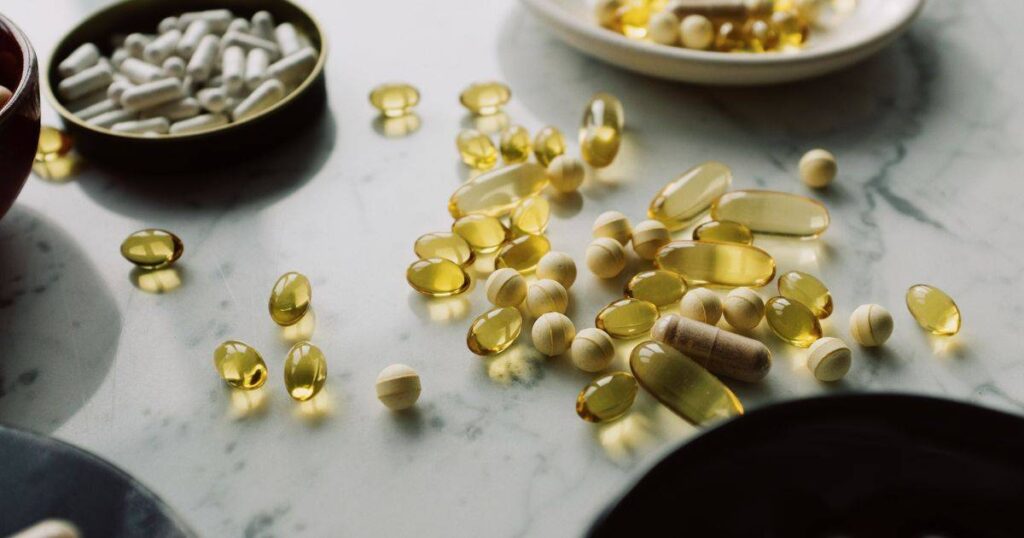
Learn how choline for fatty liver works by enabling phosphatidylcholine liver export to prevent fat accumulation and support metabolic wellness.
The liver is one of the most hardworking organs in the human body, acting as a central processing hub for metabolic function, nutrient distribution, and detoxification. Every day, the liver processes, transforms, and stores fats derived from our daily diet as well as those synthesized internally. Under normal physiological conditions, the organ maintains a delicate equilibrium between fat intake, fat synthesis, and fat export. However, when fat entering or being created in the liver exceeds the amount being cleared, lipid molecules begin to accumulate within liver cells, known as hepatocytes. In recent years, researchers and wellness advocates have focused heavily on choline for fatty liver prevention. Choline is an essential, water-soluble nutrient vital for structural integrity, cellular signaling, and metabolic health. Understanding how choline specifically prevents fat build-up in hepatocytes requires a deeper look into cellular transport mechanisms and hepatic lipid metabolism.
Understanding Hepatic Lipid Transport: How Fat Leaves the Liver
To understand why fat builds up in liver tissue, one must first explore how hepatocytes manage lipid traffic. When we consume dietary fats, carbohydrates, or proteins, the liver breaks down these macronutrients and reassembles excess fatty acids into triglycerides. Triglycerides serve as an efficient form of energy storage for the body. However, the liver is not designed to act as a permanent storage depot for massive amounts of triglycerides. To prevent cellular overcrowding and structural damage, hepatocytes must continuously ship these lipid molecules out into the bloodstream so they can be delivered to peripheral tissues, such as muscle tissue for energy or adipose tissue for storage.
The primary vehicles responsible for shipping fat out of the liver are Very Low-Density Lipoproteins, commonly known as VLDL particles. VLDL particles act as specialized transport vessels, encapsulating hydrophobic triglycerides and cholesterol within a soluble outer shell that can travel safely through the aqueous environment of the bloodstream. When the liver functions optimally, fat export matches fat intake and synthesis. However, if the synthesis of fat outpaces the liver's capacity to package and export VLDL particles, fat export stalls. When this bottleneck occurs, excess triglycerides remain trapped inside hepatocytes, gradually aggregating into lipid droplets. Over time, this imbalance leads to hepatic steatosis, a condition characterized by excessive fat accumulation in liver tissue.
Phosphatidylcholine and the VLDL Packaging Process

The assembly and release of VLDL particles is a complex biochemical operation that depends on specific structural components. Among these components, phosphatidylcholine plays the most critical role. Choline acquired from dietary sources or cellular synthesis is converted into phosphatidylcholine within hepatocytes through the cytidine diphosphate-choline pathway, also known as the Kennedy pathway. Phosphatidylcholine is a phospholipid that forms a major portion of cell membranes throughout the human body. In the context of lipid transport, phosphatidylcholine liver export mechanisms are indispensable for creating the outer protective shell of VLDL particles.
Because triglycerides and cholesterol esters are hydrophobic, they cannot float freely in the bloodstream without causing blockages or separating from circulating fluid. Phosphatidylcholine possesses amphipathic properties, meaning one end of the molecule interacts with water while the other end interacts with fat. This unique structure allows phosphatidylcholine to form the outer monolayer of the VLDL sphere, shielding the inner lipid core from the surrounding aqueous blood plasma. Without an adequate supply of phosphatidylcholine, hepatocytes cannot properly assemble the outer membrane of VLDL particles. Consequently, even if the liver has an abundance of triglycerides ready for export, the assembly line grinds to a halt. The newly formed fat molecules remain trapped inside hepatocytes, unable to escape into circulation. This structural breakdown underscores why choline is essential for maintaining efficient hepatic lipid export and preventing intracellular fat storage.
The Link Between Choline Deficiency and NAFLD
The biological relationship between low choline intake and liver dysfunction is well established in clinical and animal research. Decades of laboratory studies have demonstrated that feeding animal models a diet deficient in choline reliably induces rapid fat accumulation in hepatocytes. In human clinical trials where healthy volunteers were placed on choline-depleted diets under strict supervision, a significant percentage developed hepatic steatosis and elevated liver enzymes within weeks. These classic observations highlight how choline deficiency NAFLD (non-alcoholic fatty liver disease) pathways function at a physiological level. When choline levels drop below critical thresholds, the liver loses its fundamental metabolic capacity to export fat, directly precipitating lipid accumulation.
Beyond basic dietary intake, individual variations play a profound role in determining choline requirements. One major factor involves genetic polymorphisms in the PEMT gene, which stands for phosphatidylethanolamine N-methyltransferase. The PEMT enzyme allows the liver to synthesize phosphatidylcholine endogenously, offering a backup system when dietary choline is low. Estrogen naturally upregulates the PEMT gene, which explains why premenopausal women often require less dietary choline than men or postmenopausal women. However, individuals with specific genetic variations in the PEMT gene cannot synthesize sufficient amounts of phosphatidylcholine internally. For these individuals, a lack of adequate dietary choline quickly leads to impaired fat transport, accelerating hepatic lipid accumulation and increasing susceptibility to non-alcoholic fatty liver disease.
Dietary Sources and Daily Requirements of Choline
Given the importance of choline in maintaining liver health, meeting daily nutritional requirements is an essential step in supporting metabolic wellness. Health authorities, including the Institute of Medicine, have established Adequate Intake levels for choline. For adult men, the recommended daily intake is 550 milligrams per day, while adult women generally require 425 milligrams per day, with increased requirements during pregnancy and lactation. Despite these clear guidelines, dietary surveys indicate that a vast majority of the population fails to meet the recommended daily intake for choline.
Obtaining choline through whole, nutrient-dense foods is widely considered the safest and most effective strategy. Some of the richest dietary sources of choline include:
- Whole eggs, particularly the yolk, which contains concentrated phosphatidylcholine
- Organ meats such as beef liver and chicken liver
- Fish like salmon, cod, and tilapia
- Poultry and lean meats including chicken breast and turkey
- Cruciferous vegetables such as broccoli, Brussels sprouts, and cauliflower
- Legumes including soybeans, kidney beans, and chickpeas
While food sources provide balanced nutrition alongside essential co-factors, individuals considering high-dose isolated single-nutrient supplements should exercise caution. You should always consult with a qualified healthcare professional before starting any high-dose supplementation regime, especially if you have pre-existing health conditions or are taking prescription medications.
Integrating Choline into a Comprehensive Liver Health Plan
While ensuring adequate choline intake is vital for supporting hepatic fat export, it is essential to understand that choline is not a magic standalone cure for liver disease. Fatty liver accumulation is a multifactorial metabolic issue influenced by overall calorie balance, insulin resistance, systemic inflammation, and physical activity levels. Simply increasing choline intake without addressing broader dietary and lifestyle factors will not reverse established metabolic dysfunction.
A comprehensive approach to liver health requires integrating proper nutrition with lifestyle modifications that improve insulin sensitivity and reduce overall fat synthesis in the liver. A balanced diet rich in whole foods, fiber, lean proteins, and healthy fats helps regulate blood sugar and reduces excessive triglyceride production in hepatocytes. Regular physical activity further enhances systemic lipid metabolism and helps burn stored energy. Individuals diagnosed with fatty liver or those seeking to optimize their liver health should consult a doctor or registered dietitian to construct a personalized management plan tailored to their unique medical profile.
Final Thoughts on Choline and Hepatic Fat Balance
Choline plays an indispensable biological role in maintaining liver health by facilitating the packaging and export of triglycerides through VLDL particles. Without sufficient phosphatidylcholine, hepatocytes lose their ability to ship excess lipids into the bloodstream, leading to fat accumulation and cellular strain. Meeting daily choline requirements through a diet rich in whole foods provides the necessary building blocks for efficient liver metabolism. By prioritizing balanced nutrition, regular exercise, and professional medical guidance, you can proactively support your liver's intricate transport systems and promote long-term metabolic health.
Frequently Asked Questions
Choline is essential for producing phosphatidylcholine, a key structural phospholipid required to assemble and export Very Low-Density Lipoproteins (VLDL) from the liver. This process prevents triglycerides from accumulating inside liver cells.
Yes, research shows that choline deficiency impairs the liver's ability to package and export fats via VLDL particles. When fat export stalls, excess triglycerides remain trapped within hepatocytes, leading to hepatic steatosis.
The richest food sources of choline include egg yolks, organ meats like liver, fish such as salmon, poultry, cruciferous vegetables like broccoli and Brussels sprouts, and legumes like soybeans.
While choline is an essential nutrient, taking high-dose single-nutrient supplements may not be suitable for everyone. It is important to consult a healthcare provider before starting any new supplement routine to ensure safety and proper dosage.
The established Adequate Intake level for choline is 550 mg per day for adult men and 425 mg per day for adult women, with higher amounts recommended during pregnancy and lactation.