
Why Weather Changes Joint Pain and How to Find Relief


Discover why weather changes joint pain, how barometric pressure affects arthritis, and effective tips to protect your joints before rain storms.
For generations, people have claimed they can predict an incoming rainstorm or cold front simply by feeling a deep ache in their knees, hips, or hands. What once sounded like old folklore is now widely recognized by healthcare professionals as a genuine biological response to environmental shifts. When a storm system approaches, dramatic alterations in atmospheric conditions occur, and human bodies, particularly sensitive joints, react directly to these environmental transformations.
Understanding how weather changes joint pain empowers individuals to manage discomfort proactively rather than feeling helpless when the forecast takes a turn. Weather-related joint stiffness is tied to several physiological mechanisms, including fluctuations in barometric pressure, sudden drops in ambient temperature, and changes in relative humidity. By examining these factors, along with behavioral patterns on dreary days, we can unpack why your body senses incoming rain and what steps you can take to keep moving comfortably regardless of the weather.
The Role of Barometric Pressure in Joint Discomfort
Barometric pressure, also known as atmospheric pressure, refers to the weight of the air pressing down on the Earth's surface. On clear, sunny days, high barometric pressure pushes against our bodies, keeping internal tissues slightly compressed. However, before a rainstorm or cold front arrives, barometric pressure drops noticeably. This sudden decrease in external air pressure reduces the force pushing against human body tissues, allowing internal structures to expand slightly.
To understand barometric pressure arthritis discomfort, consider a common balloon analogy. If an inflated balloon is placed inside a pressure chamber and the surrounding air pressure is lowered, the balloon expands because there is less external force pushing against its outer surface. In a similar manner, lower atmospheric pressure allows joint capsules, tendons, and surrounding soft tissues to expand within a confined space. This subtle tissue swelling places increased physical pressure on sensitive nerve fibers, triggering dull aches or sharper pain signals long before the first raindrop hits the ground.
How Temperature Drops and High Humidity Impact Joints
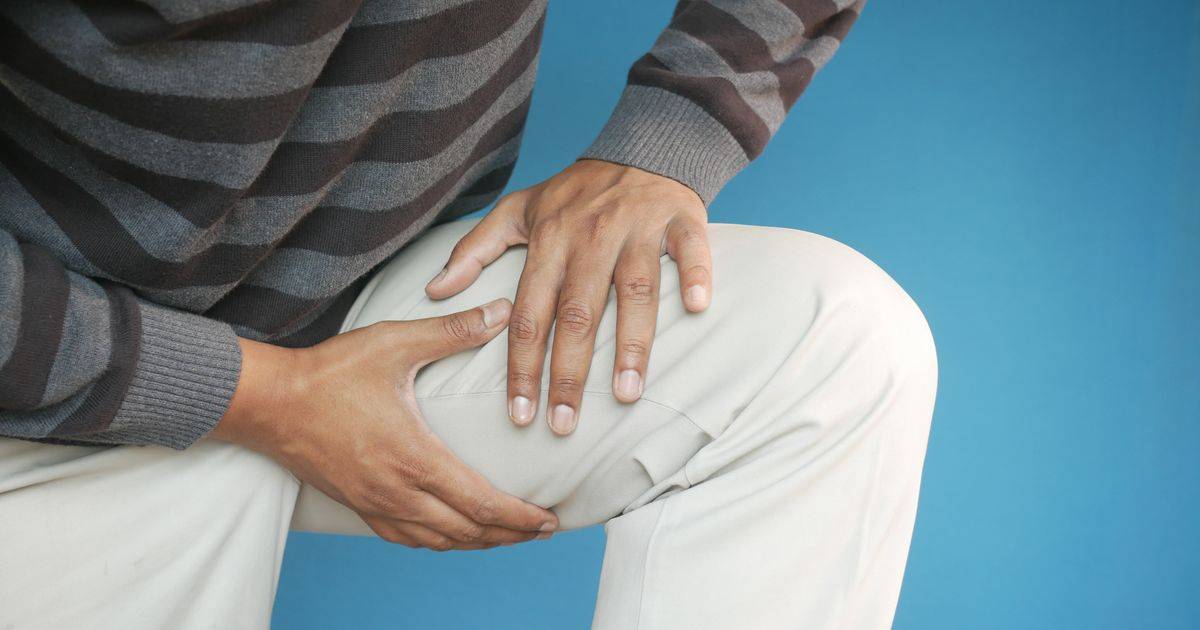
While atmospheric pressure plays a primary role in joint weather sensitivity, cold temperatures and high humidity create a compounding effect. When ambient temperatures plunge, the fluid inside our joints, known as synovial fluid, can become thicker and more viscous. Healthy synovial fluid acts like slick motor oil, allowing cartilage surfaces to glide over one another seamlessly. When cold thickens this fluid, joints feel noticeably stiffer and require more effort to move smoothly.
In addition to changes in fluid dynamics, cold environments cause peripheral blood vessels to constrict, conserving heat for vital organs. This vasoconstriction reduces localized blood circulation to extremities, causing surrounding muscles, tendons, and ligaments to tighten up. Meanwhile, high relative humidity can aggravate existing cellular inflammation. When elevated moisture levels coincide with a falling barometer, humidity knee pain and general joint stiffness become far more pronounced, making movement feel heavy, tight, and uncomfortable.
Why Arthritic and Previously Injured Joints Are Most Sensitive
Healthy joints possess thick protective cartilage, fluid movement, and flexible surrounding tissues, allowing them to absorb environmental shifts with minimal discomfort. However, individuals dealing with osteoarthritis, rheumatoid arthritis, or old sports injuries experience weather shifts much more intensely. In arthritic joints, protective cartilage has worn thin or degraded, exposing vulnerable subchondral bone and raw nerve endings directly to pressure changes within the joint capsule.
Furthermore, previously injured joints often harbor scar tissue from past surgeries, sprains, or bone fractures. Scar tissue is significantly less elastic than healthy connective tissue. When changes in barometric pressure cause surrounding healthy tissues to contract or expand, rigid scar tissue cannot adjust as smoothly. This tension creates uneven pulling on joint structures, stimulating localized pain receptors. Because baseline inflammation is already present in chronic joint conditions, environmental changes act as an additional stressor on an already sensitized nervous system. If you experience sudden, severe, or unexplained joint swelling alongside pain, it is important to consult a healthcare provider for an accurate medical evaluation.
The Impact of Reduced Activity and Mood During Bad Weather
Physical factors like pressure and temperature tell only part of the story. Behavioral and psychological changes during bad weather also influence how intensely we perceive joint aches. Cold, wet weather naturally encourages people to stay indoors and adopt a more sedentary lifestyle. Sitting for extended periods reduces circulation and prevents joint fluid from moving efficiently through cartilage, leading to increased stiffness and physical discomfort.
Additionally, gray skies and a lack of bright sunlight can cause subtle shifts in mood, neurotransmitter levels, and overall energy. Reduced serotonin levels on dreary days can lower physical pain tolerance while increasing brain awareness of existing bodily discomfort. When a sedentary afternoon is paired with a low mood, individuals become significantly more hyper-aware of joint aches that might otherwise go unnoticed during active, sunlit days. Recognizing this behavioral link helps highlight the importance of staying mobile even when staying indoors.
Effective Ways to Protect Your Joints When the Barometer Drops
Fortunately, you do not have to be at the mercy of the weather forecast. Applying targeted self-care techniques can help minimize weather changes joint pain and keep your body comfortable during rapid environmental shifts. Managing joint comfort involves keeping tissues warm, staying physically active, and supporting proper systemic hydration.
- Apply Therapeutic Warmth: Use heating pads, warm baths, or moist heat wraps to loosen stiff muscles, dilate blood vessels, and improve synovial fluid viscosity.
- Maintain Low-Impact Movement: Engage in gentle indoor activities such as light stretching, yoga, or walking around your home to lubricate joints and boost blood circulation.
- Dress in Warm Layers: Keep vulnerable joints covered with warm clothing, thermal layers, or supportive compression sleeves during cold snaps and sudden weather drops.
- Stay Well Hydrated: Drink plenty of water throughout the day, as adequate hydration maintains optimal fluid levels within joint cartilage and tissues.
Always consult a medical professional before beginning any new exercise routine or using tight compression garments, especially if you have circulatory issues, severe arthritis, or unresolved joint injuries.
Staying Proactive Through Weather Shifts
Feeling increased joint stiffness before a storm is not an imaginary phenomenon, but a well-established biological response to changes in barometric pressure, ambient temperature, and humidity. Environmental shifts cause subtle changes in tissue volume, fluid thickness, and nerve sensitivity, particularly in joints affected by arthritis or past injuries.
By remaining proactive, staying warmly dressed, maintaining daily movement indoors, and supporting your body with heat therapy, you can successfully mitigate the effects of atmospheric drops. You do not have to let unpredictable weather control your daily life or physical comfort. With the right self-care strategies, you can keep your joints feeling agile, healthy, and supported no matter what the weather report brings.
Frequently Asked Questions
Yes. When barometric pressure drops prior to rainy or stormy weather, there is less atmospheric pressure pushing against your body. This allows joint tissues and capsules to expand slightly, putting extra pressure on surrounding nerves and causing noticeable aches.
Humidity knee pain is a real biological reaction. High relative humidity combined with falling barometric pressure can aggravate inflammation in joint tissues and make synovial fluid feel less responsive, resulting in increased stiffness and knee discomfort.
Both osteoarthritis and rheumatoid arthritis are frequently affected by weather shifts. Osteoarthritis is especially sensitive because worn cartilage leaves nerve endings exposed, while rheumatoid arthritis joints suffer from baseline inflammation that responds quickly to pressure drops.
Joint discomfort can begin several hours or even a full day before rain or a cold front arrives. This happens because barometric pressure drops well ahead of the actual rainstorm or cold temperature shift.
Staying indoors protects you from cold temperatures and rain, but indoor heating does not change atmospheric barometric pressure. However, staying warm and active indoors significantly reduces muscle tightness and joint stiffness associated with weather changes.