
Synovial Fluid Joint Lubrication: Everyday Movement Guide

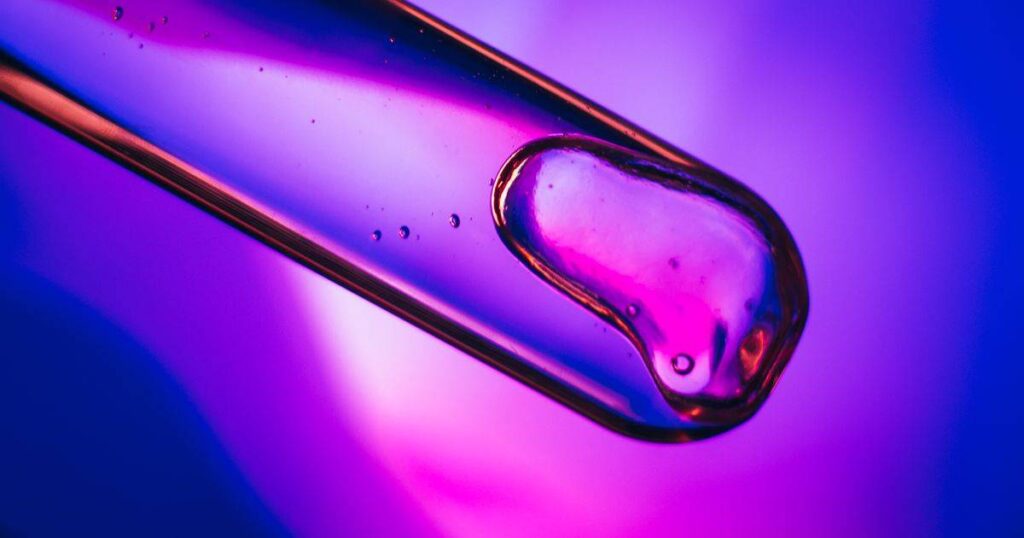
Learn how synovial fluid joint lubrication works and why gentle daily movement reduces joint stiffness, protects cartilage, and promotes lifelong mobility.
Have you ever woken up in the morning feeling a noticeable tightness in your knees, fingers, or lower back? That initial resistance when trying to bend your joints is a common experience shared by millions of adults every single day. For many people, this sensation creates a sense of apprehension about physical activity, leading to a natural temptation to rest and stay still. However, your body possesses a built-in, highly sophisticated mechanism designed to keep your frame moving smoothly. This natural system relies on a specialized biological liquid known as synovial fluid. Understanding how synovial fluid joint lubrication works reveals why staying completely still often worsens joint stiffness movement over time. When you engage in light, regular physical activity, you actively signal your body to circulate this vital fluid throughout your joint capsules. Gentle daily movement acts as the primary mechanical driver that keeps your joints healthy, resilient, and fully functional across every stage of life.
What Is Synovial Fluid and What Does It Do?
Synovial fluid is a clear, viscous substance produced by the inner lining of your joint capsules, known as the synovial membrane. Visually and structurally, healthy synovial fluid closely resembles egg whites, displaying a thick yet slippery consistency that adapts dynamically to pressure and physical motion. This unique biological fluid fills the small cavity separating opposing bone ends, serving several indispensable roles in human biomechanics. Its first primary function is friction reduction. Without adequate synovial fluid joint lubrication, the hard surfaces of articular cartilage covering your bones would grind directly against one another, causing rapid tissue damage, irritation, and physical discomfort.
In addition to lowering friction, synovial fluid acts as an exceptional shock absorber during weight-bearing activities. When your joints experience impact from walking, climbing stairs, or jumping, the fluid distributes hydrostatic pressure evenly across the entire joint structure. Crucially, synovial fluid is also responsible for nourishing your cartilage. Unlike most tissues in the human body, articular cartilage is avascular, meaning it contains no blood vessels to deliver oxygen or vital nutrients directly. Instead, cartilage depends completely on synovial fluid to deliver essential metabolic compounds and clear away cellular waste products. Without continuous contact with fresh, healthy synovial fluid, cartilage cells slowly starve and lose their structural elasticity.
How Movement Acts as a Natural Pump for Joint Lubrication

To understand how movement maintains joint health, it helps to imagine articular cartilage as a dense, water-soaked sponge. When a joint is completely at rest, synovial fluid rests quietly around the joint capsule, and the cartilage remains saturated with stagnant liquid. However, when you begin to move, the mechanical weight and rhythmic compression placed on the joint gently squeezes cartilage tissue. This compression forces out metabolic waste products into the surrounding capsule. As you release the pressure during the next phase of movement, the cartilage expands like a clean sponge, soaking up fresh, nutrient-rich synovial fluid.
Physical motion also alters the physical properties of the fluid itself through thermal and mechanical warming. When you start moving, the local temperature inside the joint cavity rises slightly, which naturally lowers the viscosity of synovial fluid. This allows the fluid to spread evenly across the entire joint surface, creating a smooth gliding action. This biomechanical pump explains why joint stiffness movement resolves after a few minutes of walking or gentle stretching. By initiating simple movements, you actively pump new lubrication into every microscopic groove of the cartilage, transitioning your joints from a dry, resistant state to a warm, effortlessly lubricated condition.
Why Prolonged Inactivity Leads to Stiff Joints
While physical activity stimulates fluid movement, prolonged periods of sitting, standing still, or lying down produce the exact opposite outcome. When joints remain stationary for several hours, synovial fluid settles and thickens. Without mechanical pressure to move the liquid around, the fluid tends to pool in static pockets, leaving parts of the joint cartilage unprotected. Over time, this stagnant environment deprives cartilage cells of the continuous nutrient exchange they require to remain healthy and pliable. This explains why sitting at a desk all day often leaves your hips and lower back feeling rigid when you finally stand up.
Movement specialists frequently use the phrase "motion is lotion" to highlight how physical activity protects your joint structures. If you work in a sedentary job, breaking up long stretches of immobility is essential for maintaining proper joint health. Simple habits like taking short walking breaks every hour or performing subtle ankle pumps beneath your desk can prevent synovial fluid from stagnating. However, if you experience sudden, severe joint stiffness accompanied by swelling, warmth, or persistent pain, it is important to consult a doctor or qualified healthcare professional, as these symptoms may indicate an underlying medical condition requiring formal evaluation.
Gentle Daily Activities That Help Lubricate Joints
Learning how to lubricate joints through movement does not require strenuous workouts or intense weightlifting routines. In fact, low-impact activities are ideal for stimulating synovial fluid production without imposing excessive mechanical stress on sensitive cartilage tissue. Activities such as brisk walking, stationary cycling, swimming, and water aerobics offer continuous, rhythmic joint motion while minimizing harsh impact forces. Swimming and aquatic exercises are particularly beneficial because the buoyancy of water supports your body weight, allowing your joints to move through a full range of motion without bearing heavy loads.
Incorporating gentle morning mobility routines and daily range-of-motion exercises can also yield significant benefits. Simple movements such as gentle arm circles, hip rotations, knee bends, and wrist rolls encourage synovial fluid to coat the entirety of each joint capsule. Unlike high-impact athletics that involve heavy pounding and abrupt directional changes, low-impact daily movement promotes long-term joint lubrication without hastening wear and tear. Dedicating just ten to fifteen minutes twice a day to targeted mobility work helps ensure that your joints remain well-lubricated, flexible, and prepared for daily functional tasks.
Lifestyle and Hydration Habits for Optimal Synovial Health
While physical motion acts as the pump, your overall lifestyle habits provide the fundamental raw materials required to produce high-quality joint fluid. Hydration plays a vital role in this process because synovial fluid is composed primarily of water. When your body is dehydrated, total fluid volume decreases, which can cause synovial fluid to lose its ideal consistency and shock-absorbing capacity. Drinking adequate amounts of water throughout the day helps maintain optimal fluid levels across all bodily tissues, including your joint capsules.
Nutrition also supports long-term joint comfort and fluid quality. Consuming a balanced, anti-inflammatory diet rich in omega-3 fatty acids, antioxidants, fresh vegetables, and beneficial compounds like hyaluronic acid supports the health of the synovial membrane. Reducing ultra-processed foods and excess refined sugars can help minimize systemic inflammation that might otherwise compromise joint tissues. Always consult your doctor or a qualified healthcare provider before starting new dietary supplements or making drastic changes to your exercise regimen, especially if you have pre-existing joint conditions or chronic pain.
Final Thoughts on Keeping Your Joints Moving
Your joints are designed to move, and synovial fluid joint lubrication serves as the body's natural key to effortless mobility. Rather than treating joint stiffness as a sign to remain completely still, view gentle daily movement as an essential form of self-care for your skeletal system. Small, consistent actions such as short walks, gentle morning stretches, and proper daily hydration can make a profound difference in how your body feels and functions. Listen closely to your body's signals, choose activities that you enjoy, and remember that consistent movement is your most effective tool for keeping your joints smooth, flexible, and resilient for years to come.
Frequently Asked Questions
Synovial fluid is a thick, egg-white-like fluid located inside your joint capsules. It reduces friction between bones, absorbs mechanical shock during movement, and provides essential nutrients to cartilage cells that lack direct blood supply.
Physical movement compresses and releases joint cartilage like a sponge, squeezing out waste products and pulling in fresh synovial fluid. Movement also warms up the fluid, lowering its viscosity for smoother joint motion.
During long periods of rest, synovial fluid settles and thickens while cartilage compression stops. This lack of fluid movement causes temporary joint stiffness until physical motion warms and redistributes the fluid.
Gentle walking, stationary cycling, swimming, water aerobics, and daily range-of-motion stretching routines are ideal. These activities circulate synovial fluid without placing excess impact stress on cartilage.
Yes. Synovial fluid is composed largely of water. Staying adequately hydrated helps maintain sufficient fluid volume and optimal viscosity inside your joint capsules.