
Androgenetic Alopecia vs Telogen Effluvium Differences


Learn the key differences in androgenetic alopecia vs telogen effluvium, including causes, shedding patterns, scalp locations, and hair recovery timelines.
Noticing excessive strands of hair in your shower drain, on your pillowcase, or caught in your hairbrush can be an alarming experience. Hair loss often carries a deep emotional weight, causing stress and anxiety about your appearance and overall health. When hair suddenly begins to thin or shed in higher quantities, figuring out the underlying reason is the crucial first step toward finding peace of mind and taking appropriate action.
Two of the most common causes of hair thinning are androgenetic alopecia and telogen effluvium. While both conditions lead to noticeable hair loss, they operate through completely different biological mechanisms, exhibit distinct scalp patterns, follow contrasting timelines, and require different management strategies. Understanding the comparison between androgenetic alopecia vs telogen effluvium helps clear up confusion and provides clarity on what your hair is experiencing.
This comprehensive guide explores the core mechanisms, symptoms, triggers, and key visual differences between these two prevalent conditions. By learning how to recognize each type of hair shedding, you will be better prepared to navigate your hair health journey and seek effective medical guidance.
Understanding Androgenetic Alopecia: Biological Causes and Characteristics
Androgenetic alopecia, commonly referred to as pattern baldness, is a genetically predetermined condition characterized by the progressive thinning of hair follicles. It affects millions of men and women worldwide and represents the most common form of long-term hair loss. The primary driver of androgenetic alopecia is a genetic sensitivity of scalp hair follicles to circulating androgen hormones, specifically dihydrotestosterone, also known as DHT.
In individuals with a genetic predisposition, an enzyme called 5-alpha reductase converts circulating testosterone into DHT. When DHT binds to sensitive androgen receptors in the scalp, it initiates a process known as follicular miniaturization. Over successive hair growth cycles, the active growth phase, known as the anagen phase, grows progressively shorter. Conversely, the resting phase, known as the telogen phase, becomes longer.
As a result of this shortened growth window, affected hair follicles produce strands that are progressively finer, shorter, and lighter in color. Eventually, the affected follicles become so small that they produce fine vellus hair or cease producing visible hair altogether. Because androgenetic alopecia relies on genetic traits and hormonal signaling, the process is gradual and continues indefinitely without targeted management intervention.
Understanding Telogen Effluvium: The Body's Response to Stress
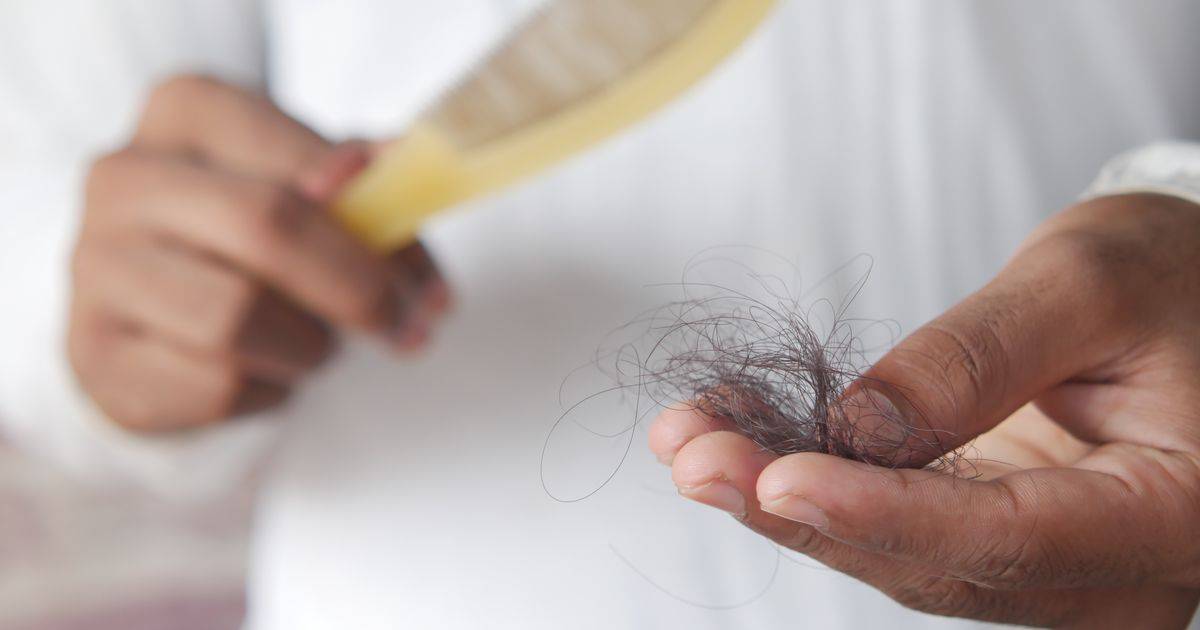
In contrast to progressive pattern hair loss, telogen effluvium is a temporary, reactive form of hair shedding triggered by significant physical or emotional stress. Under normal conditions, approximately 85 to 90 percent of scalp hair is actively growing in the anagen phase, while only 10 to 15 percent rests in the telogen phase. Telogen effluvium occurs when a major systemic shock forces a large percentage of active hair follicles prematurely out of the growth phase and directly into the resting phase.
Common triggers for telogen effluvium include severe psychological stress, major surgical procedures, high fevers, systemic infections, rapid weight loss, severe nutritional deficiencies, or significant hormonal shifts such as those following childbirth. Once these hair follicles enter the resting phase simultaneously, they remain dormant for approximately two to three months before shedding. This delay explains why noticeable hair shedding often occurs months after the original stressful event has passed.
Because the underlying hair follicle structure remains healthy and unminiaturized during telogen effluvium, the condition is typically temporary. Once the primary physical stressor or metabolic disruption is identified and resolved, hair follicles return to their regular growth cycle, leading to eventual hair regrowth over several months.
Onset and Causes: Genetic Baldness vs. Stress Hair Shed
When comparing genetic baldness vs stress hair shed, the timeline of onset and underlying cause offer clear points of distinction. Androgenetic alopecia develops gradually over years or even decades. Individuals rarely wake up to sudden patches of hair loss. Instead, they notice a slow, subtle decrease in overall density or a shifting hairline over an extended period. This slow trajectory occurs because individual hair follicles miniaturize incrementally over multiple lifecycle turns.
Telogen effluvium presents with a rapid and dramatic onset. People experiencing acute stress shedding often report losing hundreds of hairs daily in the shower, on clothing, or while styling. This sudden surge in shedding can be deeply distressing, yet it reflects a synchronous release of hair fibers that entered the resting state simultaneously months earlier. Because telogen effluvium is a reaction to a temporary trigger rather than a permanent genetic shift, hair density usually recovers fully once body balance is restored.
It is important to note that these two conditions are not mutually exclusive. An episode of acute telogen effluvium caused by stress or illness can sometimes unmask or accelerate underlying androgenetic alopecia. When excessive stress shedding occurs in someone genetically predisposed to pattern baldness, the regrowing hairs may return thinner than before, highlighting how stress hair shed and genetic baldness can interact.
Visual Differences: Scalp Patterns and Diffuse Thinning
Another major difference lies in the visual presentation across the scalp. Androgenetic alopecia follows predictable, localized patterns that differ by biological sex. In men, pattern baldness typically starts with a receding frontal hairline, temple thinning, and hair loss at the crown or vertex of the scalp. In women, pattern hair loss generally manifests as a diffuse thinning centered along the part line, causing the central part to widen while the frontal hairline remains intact.
Conversely, telogen effluvium is characterized by widespread diffuse thinning across the entire scalp rather than targeted focal areas. Someone with telogen effluvium experiences hair shedding evenly from the top, sides, and back of the head. While the scalp may look less dense overall, the hairline does not recede, and specific localized bald spots do not form.
The physical appearance of shed hair fibers also provides useful diagnostic clues:
- Telogen Effluvium Hairs: Shed strands are typically full-length, mature hairs displaying a small, white bulb at the root end, signifying a completed resting phase.
- Androgenetic Alopecia Hairs: Shed strands vary significantly in length and diameter, with many hairs appearing unusually short, fine, and miniaturized.
Diagnosis and General Management Strategies
Accurately diagnosing hair loss requires a thorough clinical evaluation by a qualified medical professional. Dermatologists rely on specialized diagnostic tools to evaluate scalp health and determine the root cause of shedding. Common diagnostic procedures include a scalp pull test to gauge active shedding, trichoscopy to examine follicle diameter under high magnification, and focused blood work to assess thyroid function, iron stores, ferritin levels, and vitamin deficiencies.
Management strategies depend entirely on the specific diagnosis. Supporting scalp health through balanced nutrition, gentle hair care, stress management, and over-the-counter options like topical Minoxidil can encourage strong follicle function. For telogen effluvium, identifying and addressing the underlying stress trigger is the cornerstone of recovery. For androgenetic alopecia, long-term consistent management is typically needed to maintain existing hair density and prevent ongoing miniaturization.
Because hair loss can sometimes stem from underlying systemic health conditions or hormonal imbalances, it is essential to consult a board-certified dermatologist or qualified doctor for an accurate diagnosis before starting any new treatments or supplements. A healthcare provider can construct a safe, individualized management plan tailored to your specific hair needs.
Final Thoughts on Identifying Hair Shedding
Understanding whether your hair loss stems from genetic factors or an acute stress response is the essential foundation for managing hair health effectively. While the sudden shedding of telogen effluvium can feel overwhelming, knowing that it is typically temporary provides reassurance. Likewise, recognizing early signs of androgenetic alopecia empowers you to take proactive steps to preserve hair density.
Patience is crucial when dealing with any form of hair shedding. Because the human hair follicle operates on a multi-month cycle, visible recovery and new growth take time to show. By partnering with healthcare professionals and prioritizing overall well-being, you can successfully navigate hair changes and support long-term scalp vitality.
Frequently Asked Questions
Yes, it is possible to experience both conditions simultaneously. A major stress event can trigger an episode of telogen effluvium in an individual who also has underlying androgenetic alopecia. In some cases, the sudden shedding from telogen effluvium unmasks early genetic hair thinning that was previously unnoticed.
Acute telogen effluvium typically lasts for about three to six months after the triggering event has passed. Once the body recovers and the underlying trigger is resolved, shedding slows down and normal hair growth resumes, though full visual recovery may take six to twelve months.
Hair lost due to androgenetic alopecia does not typically grow back on its own without targeted management. Because the condition involves progressive follicle miniaturization driven by genetics and hormones, ongoing interventions are usually needed to preserve existing hair and stimulate dormant follicles.
Dermatologists use specialized tools such as trichoscopy to examine follicle diameter variability. Androgenetic alopecia shows marked variation in strand thickness due to miniaturization, whereas telogen effluvium displays uniform strand thickness across diffuse areas of the scalp. Hair pull tests and patient history also help confirm the diagnosis.
Stress-induced hair loss, such as telogen effluvium, is generally temporary and reversible. Once stress levels decrease and the body recovers, hair follicles re-enter the growth phase. However, chronic unmanaged stress over long periods can exacerbate underlying pattern hair loss in genetically predisposed individuals.