
Leaky Gut Syndrome Repair: Science, Triggers, and Healing


Discover effective leaky gut syndrome repair strategies. Learn how intestinal permeability works, key triggers, dietary solutions, and treatments.
The human digestive tract is much more than a simple processing tube for food. It serves as a dynamic, complex interface between your internal body systems and the outside world. At the heart of this system is the gut lining, a specialized barrier designed to perform a delicate balancing act: absorbing vital nutrients while keeping harmful pathogens, undigested food particles, and toxins out of the bloodstream. When this barrier functions properly, it protects your overall health and supports optimal immune function. However, when the structural integrity of the lining is compromised, a state known as increased intestinal permeability occurs. Commonly referred to as leaky gut, this condition raises important questions about how digestive health impacts total wellness. Fortunately, modern research demonstrates that leaky gut syndrome repair is achievable through targeted dietary adjustments, lifestyle modifications, and proper clinical management.
Understanding Intestinal Permeability and the Gut Barrier
To understand how intestinal permeability affects health, it is essential to look at the cellular structure of the digestive tract. The lining of the small intestine consists of a single layer of epithelial cells packed closely together. The spaces between these individual cells are sealed by microscopic protein structures known as tight junctions. Under healthy conditions, tight junctions act as strict gatekeepers. They open selectively to allow small, fully digested nutrient molecules, water, and essential minerals to pass directly into the bloodstream while remaining tightly closed against larger, potentially disruptive substances.
When hyperpermeability develops, these tight junctions become abnormally loose or damaged. Instead of maintaining a controlled filter, the gut lining develops widened gaps that allow unabsorbed food particles, metabolic waste, and bacterial fragments such as lipopolysaccharides to leak directly into the surrounding tissues and circulation. Once inside the bloodstream, these foreign elements trigger an immune response because the body recognizes them as potential threats. Over time, persistent hyperpermeability can lead to widespread, low-grade systemic inflammation, illustrating how a breakdown in gut barrier integrity can ripple across multiple physiological systems throughout the body.
The Role of Zonulin and Potential Triggers of Gut Permeability
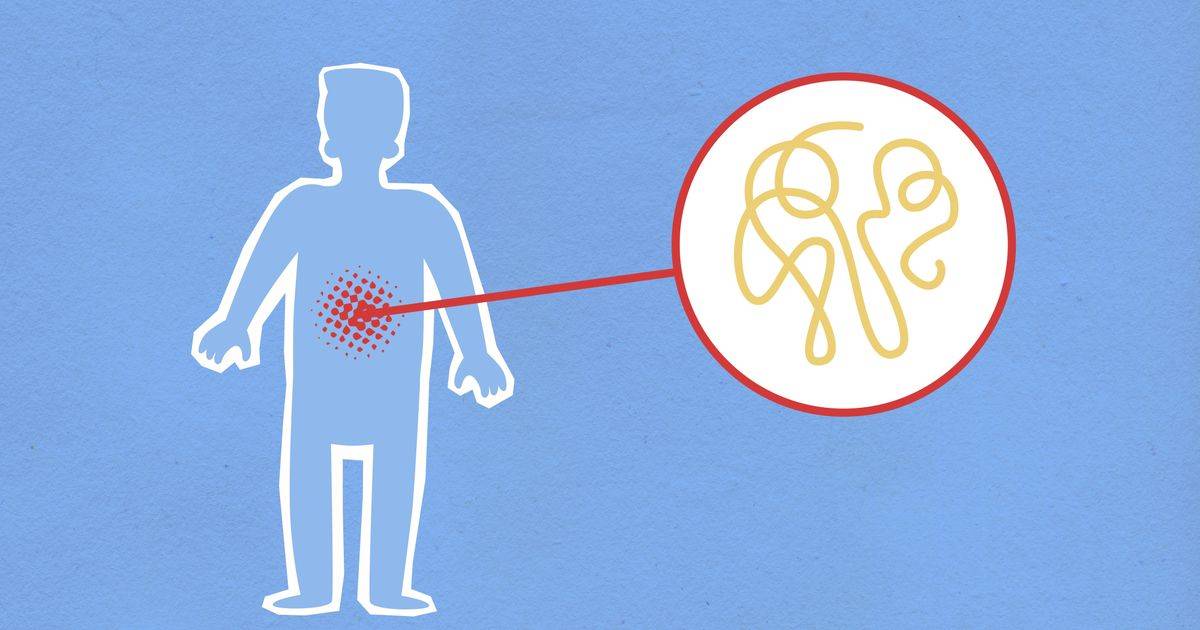
The regulation of intestinal permeability is controlled by complex physiological mechanisms, with a key protein called zonulin playing a central role. In human biology, zonulin leaky gut dynamics explain how tight junctions open and close. When zonulin is released by intestinal cells, it signals the tight junctions to relax their structure, temporarily increasing permeability. While this process is normal in small, controlled bursts, abnormally high levels of zonulin cause tight junctions to stay open far longer than intended, leading to sustained barrier dysfunction.
Several distinct environmental and biological triggers are known to cause elevated zonulin production and weaken the gut lining:
- Gut Dysbiosis: An imbalance between beneficial and harmful microorganisms in the digestive tract can degrade the protective mucus layer and stimulate excessive zonulin release.
- Dietary Proteins: In sensitive individuals, exposure to gluten and specific wheat proteins can spark zonulin secretion, impairing barrier function.
- Chronic Stress: Persistent psychological or physical stress elevates stress hormones like cortisol, which alters gut motility, increases mucosal inflammation, and compromises cell integrity.
- Processed Foods and Refined Sugars: Diets high in refined carbohydrates, artificial additives, and unhealthy fats promote inflammatory pathways in the intestine.
- NSAID Overuse and Alcohol: Frequent use of nonsteroidal anti-inflammatory drugs and excessive alcohol intake directly irritate the stomach and intestinal mucosal lining, causing cellular erosion.
Common Signs and Symptoms Associated with Increased Permeability
When intestinal barrier integrity declines, the resulting symptoms can manifest both locally within the digestive system and globally throughout the rest of the body. Local gastrointestinal complaints are often the first signs that people notice. Individuals experiencing hyperpermeability frequently report persistent abdominal bloating, excessive gas, stomach cramps, and unpredictable bowel habits ranging from diarrhea to constipation. Food sensitivities and intolerances also commonly develop, as the immune system creates reactive antibodies against food proteins that leak prematurely into circulation.
Beyond localized digestive distress, increased intestinal permeability can contribute to systemic signs that affect daily vitality. Because circulating inflammatory markers can travel to distant tissues, individuals may experience chronic fatigue, general brain fog, and mild joint discomfort. Skin health is another area where gut permeability often manifests, showing up as skin irritation, unexplained rashes, dryness, or breakouts. It is critical to recognize that these systemic symptoms overlap significantly with many common gastrointestinal disorders, such as irritable bowel syndrome, inflammatory bowel disease, and autoimmune conditions. Because these signs are non-specific, identifying intestinal permeability requires a thorough clinical view rather than self-diagnosis based on symptoms alone.
Practical Dietary Approaches to Leaky Gut Syndrome Repair
Achieving successful leaky gut syndrome repair relies heavily on targeted, evidence-based nutritional strategies designed to soothe inflammation and support cellular regeneration. The foundation of any gut repair protocol is a nutrient-dense, anti-inflammatory whole foods diet. Incorporating colorful vegetables, dark leafy greens, berries, and green tea provides rich amounts of polyphenols. These plant compounds act as powerful antioxidants that reduce oxidative stress in the intestinal lining while encouraging the growth of beneficial gut bacteria. Additionally, healthy fats abundant in omega-3 fatty acids, such as those found in wild-caught fish, flaxseeds, and walnuts, help calm inflammatory pathways throughout the gut wall.
Dietary fiber and prebiotic foods play an equally critical role in rebuilding the intestinal barrier. Soluble fiber found in oats, apples, carrots, and legumes serves as primary fuel for beneficial gut microbes. As these microorganisms ferment prebiotic fibers, they produce short-chain fatty acids, particularly butyrate. Butyrate acts as the primary energy source for colon cells, strengthening tight junction structures and promoting mucosal healing. During the initial repair phase, it is equally important to remove items that perpetuate gut irritation. Eliminating ultra-processed foods, refined sugars, artificial sweeteners, and personal food triggers allows the mucosal tissue time to heal. Emphasizing warm, easy-to-digest foods like bone broth, cooked root vegetables, and fermented foods can further nurture gut microflora and accelerate recovery.
Medical Considerations and Intestinal Permeability Treatment Options
While dietary modifications form the cornerstone of barrier recovery, targeted intestinal permeability treatment requires a comprehensive, safety-first approach. It is essential to consult a qualified doctor or gastroenterologist before beginning any intensive gut restoration protocol. A medical professional can conduct appropriate diagnostic testing to rule out underlying clinical conditions, such as celiac disease, inflammatory bowel disease, or active gut infections, ensuring that your symptoms receive accurate and appropriate medical care.
Under professional medical supervision, specific supportive nutrients and targeted supplements are frequently discussed to facilitate gut lining repair:
- L-glutamine: An essential amino acid that serves as a primary metabolic fuel for enterocytes, helping rebuild damaged mucosal tissue and reinforce tight junction stability.
- Zinc Carnosine: A unique chelated form of zinc that adheres directly to gut mucosal lesions, promoting tissue repair and antioxidant protection within the intestinal wall.
- Probiotics: High-quality probiotic supplements featuring thoroughly researched strains like Lactobacillus and Bifidobacterium help restore microbial balance and suppress inflammatory signaling.
Because the supplement market is vast and varied, it is crucial to avoid unproven remedies or aggressive detox protocols. Working alongside a physician or registered dietitian guarantees that any supplement regimen is safe, evidence-based, and tailored to your personal health needs.
Final Thoughts on Restoring Intestinal Health
Restoring the health of your digestive barrier is a gradual journey that requires patience, consistency, and a holistic approach. The intestinal lining possesses a remarkable natural capacity to regenerate when provided with the proper biological building blocks and a calm environment. By prioritizing a nutrient-dense diet rich in anti-inflammatory foods and prebiotics, while minimizing environmental stress and gut irritants, you create the optimal conditions for long-term recovery. Remember that sustainable leaky gut syndrome repair is not achieved through quick fixes or extreme remedies. Instead, it flourishes through lasting lifestyle commitments to quality sleep, stress reduction, and healthy eating, guided by partnership with qualified healthcare professionals.
Frequently Asked Questions
Leaky gut syndrome, or increased intestinal permeability, is typically caused by a combination of factors including gut dysbiosis, chronic stress, poor diet, excessive alcohol consumption, frequent NSAID use, and elevated levels of the protein zonulin.
The timeline for leaky gut syndrome repair varies significantly depending on the individual, the underlying causes, and consistency with dietary changes. Most individuals report noticeable improvements in digestive symptoms within 4 to 12 weeks of sustained dietary and lifestyle modifications.
Yes, consuming foods to which you are sensitive or allergic can trigger localized inflammation in the digestive tract. This ongoing inflammation can weaken tight junctions between intestinal cells and increase permeability over time.
Healthcare providers may use tests such as the lactulose-mannitol urine test, serum zonulin tests, or stool tests to assess gut mucosal integrity and microflora balance. A gastroenterologist can determine which evaluation is most appropriate for your situation.
Foods rich in polyphenols, prebiotic fibers, and omega-3 fatty acids best support gut repair. Key options include bone broth, leafy greens, berries, oats, fermented foods like yogurt or kefir, and fatty fish such as salmon.