
Maca Root

Lepidium meyenii
Also known as: Peruvian Ginseng, Ayak Willku, Maino
Maca Root is a nutrient-dense Andean adaptogen widely valued for promoting sustained energy, physical stamina, and mood balance without stimulant jitteriness.
Discover Maca Root benefits and side effects, proper dosage, varieties (yellow, red, black), and essential safety guidelines in this comprehensive guide.
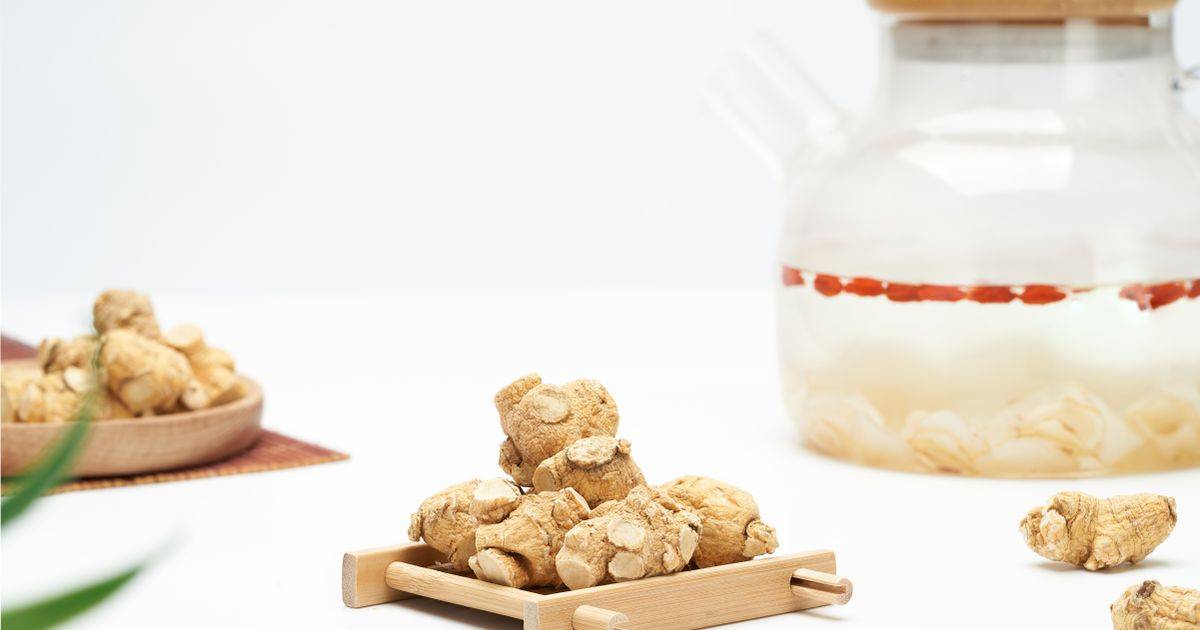
Maca Root is a hardy cruciferous plant native to the high altitudes of the Peruvian Andes. For centuries, native populations have cultivated this nutritious root crop as both a staple food and a natural remedy to boost vitality, physical stamina, and overall resilience. Belonging to the same plant family as broccoli and radish, Maca is classified as an adaptogen due to its ability to help the body handle environmental and physical stress.
Today, people take Maca Root supplements to support healthy energy levels, daily mood balance, and sexual wellness without relying on caffeine or harsh stimulants. It is available in yellow, red, and black color varieties, each featuring a slightly distinct nutritional profile and purpose. While generally well tolerated, individuals with thyroid conditions or sensitive digestive systems should exercise caution and consult a healthcare provider before starting a Maca Root supplement regimen.
Maca Root at a Glance
Maca Root Forms and Typical Dosage
| FORM | TYPICAL DOSAGE RANGE |
|---|---|
| Raw Powder | 1,500 - 3,000 mg daily |
| Gelatinized Powder | 1,500 - 3,000 mg daily |
| Capsules | 1,000 - 3,000 mg daily |
| Liquid Extract | 1 - 2 mL daily |
Key Benefits of Maca Root
- Promotes sustained physical energy and endurance without caffeine jitters
- Supports sexual wellness and healthy libido in both men and women
- Helps maintain balanced mood and daily emotional resilience
- Provides natural adaptogenic support for stress management
- Offers antioxidant compounds that protect against cellular stress
- Nourishes the body with essential vitamins, minerals, and amino acids
Frequently Asked Questions
Maca Root is primarily used to enhance energy, stamina, mood, and sexual desire. Most people tolerate it well, but potential side effects include mild digestive upset, gas, or stomach cramping, particularly when using raw powder. Taking gelatinized maca can help reduce digestive discomfort.
Yellow maca is the most common variety, often used for overall daily vitality and balance. Red maca is rich in specific phytochemicals and frequently chosen for prostate health and mood support. Black maca is preferred for physical stamina, athletic performance, and cognitive focus.
Maca is a cruciferous plant containing glucosinolates, compounds that may interfere with thyroid hormone production if consumed in very high amounts by individuals with iodine deficiency or existing thyroid disorders. Those with thyroid conditions should consult a physician before using Maca Root supplements.
Maca Root is best consumed in the morning or early afternoon with food to prevent potential sleep disruption due to its energizing effects. Starting with a smaller dosage, such as 1,500 mg daily, allows you to assess tolerance before increasing.
Yes, Maca Root has a long history of traditional use as a staple food crop and is considered safe for daily dietary supplementation. However, pregnant or nursing women and individuals taking hormone-sensitive medications should check with a healthcare professional before regular use.