
Understanding the Coronary Artery Calcium Scan Advantage

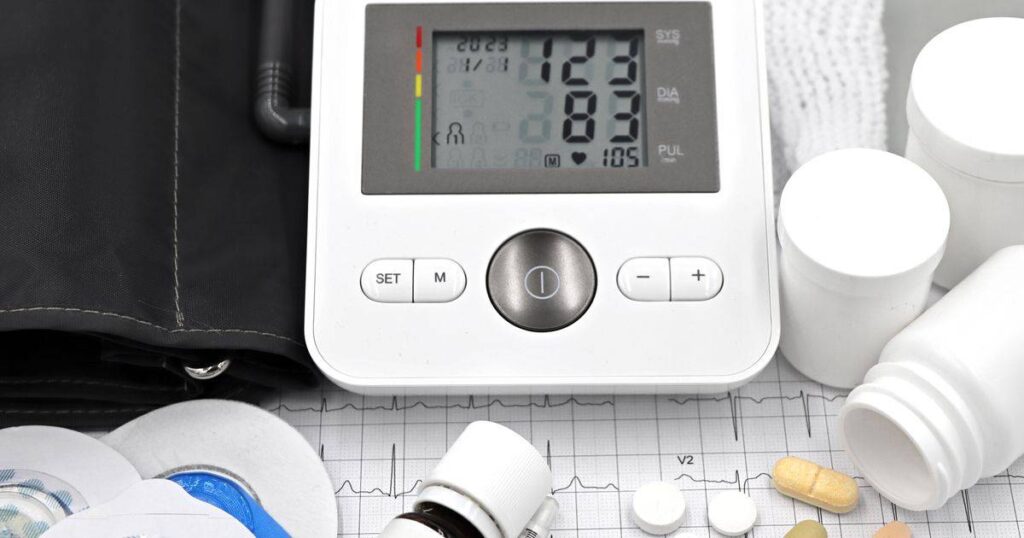
Learn why a coronary artery calcium scan provides clearer heart disease insights than a standard cholesterol test. Discover how CAC scores guide care.
Assessing long-term cardiovascular health has traditionally relied on routine screening tools during annual physical examinations. Doctors frequently analyze blood pressure readings, body mass index, and blood chemistry to estimate a person's vulnerability to cardiac events. While these conventional measurements offer valuable general health insights, they sometimes fail to provide a complete picture of an individual's arterial health. Many people who appear perfectly healthy on paper unexpectedly suffer severe cardiac events without prior warning signs. This diagnostic blind spot highlights the critical need for clearer diagnostic approaches that evaluate the actual physical state of blood vessels rather than relying solely on indirect indicators.
A primary breakthrough in preventive cardiology is the coronary artery calcium scan. This non-invasive diagnostic procedure allows medical professionals to look directly inside the cardiac circulatory system. While traditional blood tests merely measure floating markers that might increase risk over several decades, modern imaging techniques capture tangible physical evidence of underlying vessel damage. By shifting the focus from statistical estimations to direct anatomical inspection, healthcare providers can identify early arterial disease before major complications arise, providing patients with a far more accurate assessment of their true cardiovascular status.
What Is a Coronary Artery Calcium Scan?
A coronary artery calcium scan is a specialized diagnostic imaging procedure that utilizes low-dose computed tomography, commonly known as a CT scan, to evaluate the structural condition of the heart. The primary goal of this imaging study is to detect and measure calcified plaque within the coronary arteries, which supply oxygen-rich blood to the heart muscle. Over time, fatty materials, cholesterol, and cellular waste products accumulate along arterial walls in a progressive process called atherosclerosis. As these deposits age and harden, calcium is deposited within the plaque matrix, creating rigid structures that narrow blood vessels and impair optimal circulation.
The scanning process itself is exceptionally quick, completely non-invasive, and painless for the patient. Unlike standard angiography or certain complex magnetic resonance imaging procedures, a routine calcium scoring scan does not require intravenous contrast dye, blood draws, or invasive catheter insertion. During the procedure, the patient lies comfortably on an imaging table while a high-speed CT scanner captures detailed cross-sectional pictures of the beating heart. The entire scanning process usually takes less than ten minutes, and the actual radiation exposure remains low. The resulting images are then processed by specialized software that quantifies the total volume and density of calcified deposits, producing a precise numerical score that reflects the overall burden of hardened plaque in the coronary circulation.
The Limitations of Basic Lipid Panels
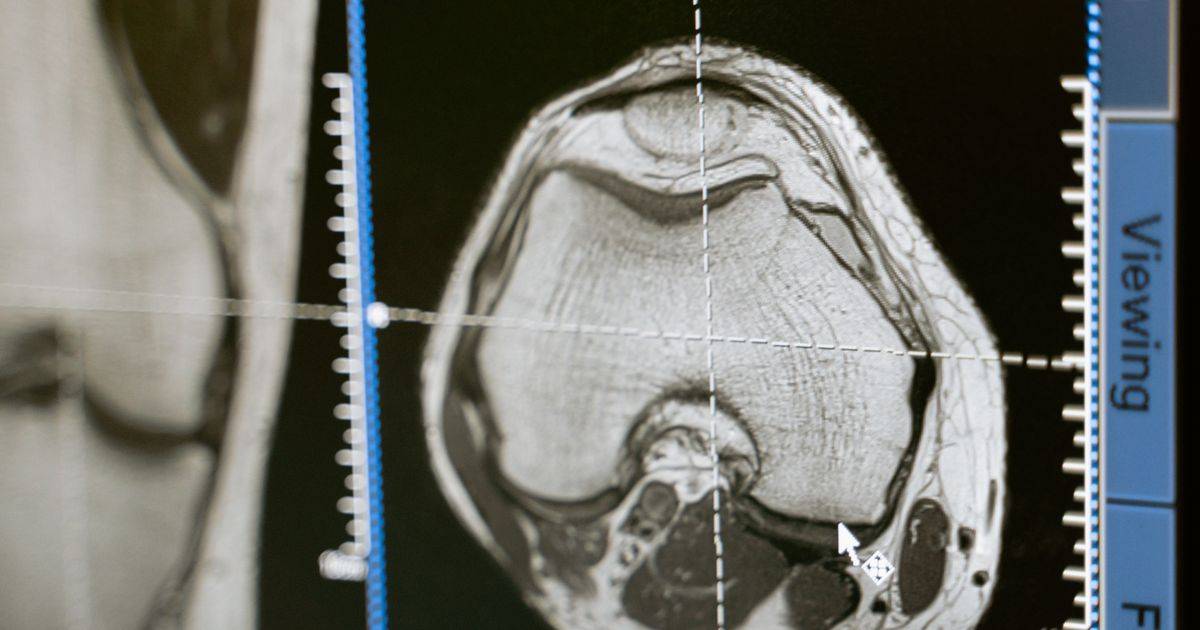
For decades, standard lipid panels have served as the cornerstone of cardiovascular risk screening. A standard blood test measures circulating concentrations of various lipids, including low-density lipoprotein cholesterol, high-density lipoprotein cholesterol, total cholesterol, and triglycerides. While elevated levels of low-density lipoprotein are well-established contributors to vascular damage, relying solely on blood cholesterol levels presents distinct limitations. Blood tests merely measure circulating substances in the bloodstream at a single moment in time. They cannot directly reveal whether those circulating particles have actually penetrated the vessel walls and initiated active plaque development.
When comparing calcium scoring vs cholesterol testing, the fundamental difference lies in assessing potential risk versus identifying established structural disease. Clinical experience repeatedly demonstrates that a substantial percentage of individuals who experience sudden heart attacks possess perfectly normal or borderline cholesterol numbers. Conversely, some individuals with chronically elevated cholesterol levels maintain surprisingly clear, resilient arteries free of calcified plaque. Because standard lipid panels act as indirect statistical markers rather than direct structural examinations, relying exclusively on standard blood work can create a false sense of security or lead to unnecessary medication for individuals who have not developed true arterial buildup.
2>Direct Plaque Detection vs. Statistical Risk Models
To estimate a patient's risk of future cardiovascular events, physicians traditionally input clinical data into standardized statistical risk calculators. These standard algorithms combine population-based variables such as age, biological sex, systolic blood pressure, smoking history, and systemic cholesterol values to generate an estimated percentage risk over a ten-year timeline. While these calculators offer a helpful baseline for population health, they are fundamentally statistical estimations. They evaluate how an average person with specific risk factors might fare over time, rather than revealing what is currently happening within a specific individual's coronary arteries.
In contrast, a calcium scan provides direct structural evidence of early heart disease. Instead of predicting potential risk based on demographic trends, imaging reveals the exact physical presence and extent of calcified arterial buildup. This direct visual assessment significantly refines CAC score heart disease risk stratifications, particularly for individuals placed in intermediate or uncertain risk categories by standard clinical models. Knowing whether physical plaque is actually present transforms clinical decision-making from generalized probability into tailored intervention. Please consult your physician to evaluate your specific risk profile and determine if direct imaging is appropriate for your individual medical history.
Understanding Your CAC Score Ranges
The numerical output generated by a scan offers a clear, objective measurement of calcified plaque burden. Physicians interpret these results across four primary reference ranges to assess disease severity and establish preventive strategies:
- Score of 0: Indicates that no calcified plaque is detected in the coronary arteries. This result corresponds to a very low short-term risk of a major cardiac event, suggesting that aggressive medical therapies may not be immediately necessary.
- Score of 1 to 99: Reflects mild calcification and reveals early-stage cardiovascular disease. While overall short-term risk remains relatively low, it signals that active plaque formation has begun and lifestyle modifications are warranted.
- Score of 100 to 399: Demonstrates moderate plaque buildup and indicates a significantly elevated risk of future cardiovascular complications. Medical providers often consider pharmacological interventions alongside structured therapeutic lifestyle changes.
- Score of 400 or higher: Indicates severe plaque accumulation, signaling extensive coronary artery disease and a high risk of near-term cardiac events. Patients in this range require prompt medical evaluation and aggressive therapeutic management.
It is crucial to remember that while these numerical ranges provide clear educational benchmarks, individual medical context always dictates appropriate therapeutic responses. Patients should always consult a qualified cardiologist or primary care physician to thoroughly review their scan results in relation to their comprehensive health profile.
Who Should Consider a Calcium Scan and How Results Guide Care
A coronary artery calcium scan is particularly valuable for asymptomatic adults aged 40 to 70 who fall into borderline or intermediate risk categories for heart disease. Individuals with a family history of premature heart disease, mild blood pressure elevations, metabolic syndrome, or ambiguous cholesterol profiles stand to gain significant diagnostic clarity from this test. Conversely, young individuals without risk factors or patients who already have diagnosed coronary artery disease generally do not benefit from routine scoring, as their treatment plans are typically already established.
Medical providers utilize the definitive results of a calcium scan to personalize clinical interventions with high precision. For instance, discovering a score of zero in an intermediate-risk patient may allow them to safely defer long-term statin therapy under medical supervision. On the other hand, finding a moderate or severe score can motivate actionable, life-saving changes, including targeted medications, blood pressure control, and structured dietary adjustments. When considering this imaging option, patients should discuss practical factors such as low-dose radiation exposure and typical out-of-pocket costs with their doctor. Always speak directly with a healthcare provider to ensure medical decisions align with your individual diagnostic needs.
Taking Control of Your Cardiovascular Health
Navigating heart disease prevention requires accurate, actionable information. While traditional lipid panels remain a fundamental component of general wellness screenings, relying on blood work alone provides only a partial understanding of overall cardiovascular risk. Incorporating a coronary artery calcium scan into diagnostic evaluations offers clear visual proof of structural vessel health, bridging the critical gap between population-based statistical predictions and individualized medical reality.
Early detection remains the single most powerful tool in preventing major cardiovascular events and promoting long-term arterial health. By identifying hidden arterial plaque before clinical symptoms manifest, individuals and their physicians can implement timely, targeted interventions to arrest disease progression. If you have questions about your personal cardiovascular risk factors or want to explore advanced diagnostic testing options, schedule a dedicated consultation with a qualified doctor to discuss whether calcium scoring is the right next step for your health journey.
Frequently Asked Questions
The imaging procedure itself is very quick, typically taking less than 10 minutes to complete. Including preparation time at the clinic, the entire appointment usually lasts around 15 to 30 minutes.
A score of zero indicates a very low risk of a cardiac event over the next several years because no calcified plaque was detected. However, it does not completely rule out soft, non-calcified plaque, which is why maintaining overall healthy lifestyle habits remains essential.
No, a standard calcium scoring scan does not require any intravenous contrast dye or needles. It is a simple, non-invasive CT scan performed while you lie comfortably on an imaging table.
For individuals with a score of zero, physicians generally recommend re-testing every three to five years depending on overall health risk factors. If plaque is already detected, repeat scans may not be necessary as care focuses on management; always follow your cardiologist's advice.
Insurance coverage varies depending on the provider and region. While some insurance plans cover the test for specific intermediate-risk individuals, many patients pay out-of-pocket, with typical costs ranging between $50 and $150.