
Top Low Impact Exercise for Joint Pain Relief Guide

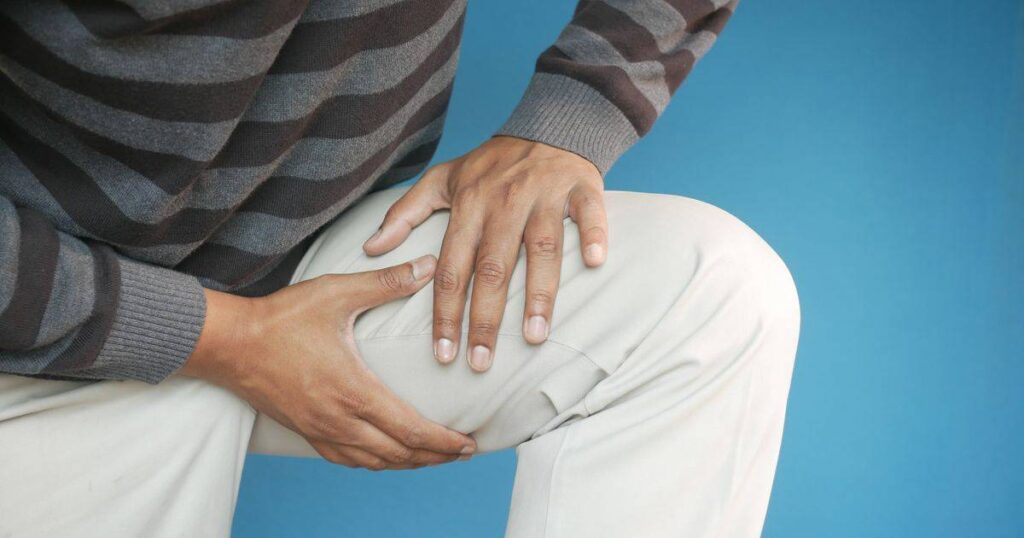
Discover effective low impact exercises to relieve chronic hip and knee pain, build muscular stability, and protect your joint health safely.
Living with persistent knee or hip pain can turn simple daily tasks into daunting challenges. Whether standing up from a chair, walking up a flight of stairs, or taking a stroll through the park, aching joints often cause individuals to restrict their movement. However, avoiding physical activity can lead to a vicious cycle. Inactivity weakens the supporting muscles around your joints, increases stiffness, and ultimately heightens discomfort. Engaging in structured exercise for joint pain relief provides a powerful, non-pharmacological way to break this cycle. By choosing gentle, low-impact activities, you can protect delicate cartilage while strengthening the muscles that stabilize your knees and hips. Over time, consistent movement restores mobility, reduces inflammation, and restores your quality of life.
How Low-Impact Movement Relieves Pain and Supports Joint Health
To understand why movement helps, it is essential to look at the mechanics of joint articulation. Joint cartilage lacks a direct blood supply, which means it relies on movement to absorb nutrients and eliminate waste products. When you perform continuous, controlled motions, your joints produce synovial fluid. This biological lubricant coats the cartilage surfaces, reducing friction and facilitating smoother movement. Lubricating joints with exercise is therefore one of the most natural methods to relieve stiffness and protect long-term mobility.
Beyond fluid production, regular low-impact activity strengthens key lower-body muscular groups. Muscles such as the quadriceps, hamstrings, glutes, and calf muscles act as shock absorbers for your skeletal frame. When these supporting tissues are strong and responsive, they absorb much of the force generated during movement, reducing mechanical friction inside the joint capsule. Unlike high-impact activities like running or jumping on hard surfaces, therapeutic low-impact exercises offer all the circulatory and strengthening benefits without aggravating sensitive tissues or triggering systemic inflammation.
Water Aerobics and Swimming: Buoyancy for Total Joint Decompression

Aquatic exercise offers an ideal environment for individuals suffering from severe knee or hip pain. Water possesses unique physical properties, notably buoyancy, which drastically reduces the gravitational load placed on weight-bearing joints. When immersed up to chest level, the body experiences up to ninety percent weightlessness. This reduction in impact allows people to move freely, increase their range of motion, and build functional strength without the harsh ground reaction forces encountered on land.
A balanced pool routine can include several accessible exercises:
- Aquatic Walking: Walking forward, backward, and sideways across the shallow end of a pool activates core and leg muscles while receiving gentle support from water resistance.
- Flutter Kicks: Holding onto the pool edge or a kickboard while flutter kicking reinforces knee extensors and hip flexors without joint strain.
- Water Aerobics Routine: Gentle leg lifts, arm sweeps, and water jogging provide cardiovascular conditioning while decompressing spinal and lower-limb joints.
For maximum comfort, seek out heated therapy pools maintained between 84 and 92 degrees Fahrenheit, as warm water soothes aching joints and promotes muscular relaxation. Always use steady handrails when entering and exiting the pool to prevent slips on wet surfaces. Always consult a healthcare provider before embarking on new aquatic regimens if you have underlying cardiovascular conditions or recent joint surgeries.
Cycling and Stationary Biking: Building Strength Without Pounding Joints
Cycling is widely recognized as one of the most effective knee friendly workouts available. The rhythmic, continuous motion of pedaling guides the knee through a smooth flexion and extension cycle without subjecting the joint to heavy foot-strike impacts. This repetitive motion promotes circulation, helps lubricate joint surfaces, and builds endurance across the quadriceps and hamstring muscle groups without jarring the hips or lower back.
Choosing the right type of bicycle depends heavily on your specific joint issues and body mechanics:
- Upright Bikes: Excellent for individuals who prefer a traditional riding position, though they require adequate core strength to maintain upright spinal posture.
- Recumbent Bikes: Feature a reclined seat position that supports the lower back and opens the hip angle, making them especially suitable for people dealing with severe hip osteoarthritis or balance concerns.
Proper bike setup is vital to avoid unnecessary joint stress. Adjust seat height so that your knee retains a slight bend of roughly 10 to 15 degrees at the bottom of the pedal stroke. Setting the seat too low forces the knees into excessive flexion, which significantly increases strain on the kneecaps. Conversely, a seat that is too high causes your hips to rock side to side, irritating hip joints and the lower back. Before starting a cycling program, ask a physical therapist or fitness professional to evaluate your posture and equipment setup.
Targeted Glute and Leg Strengthening for Hip and Knee Stability
While general endurance exercises promote circulation, targeted resistance exercises build the muscular structural framework necessary to maintain joint alignment. Weak gluteal muscles and dynamic hip instability often cause the knees to cave inward during movement, leading to unnatural tracking of the kneecap and uneven cartilage wear. By strengthening the gluteus medius, gluteus maximus, and hamstrings, you establish a solid foundation that keeps your legs in proper alignment during daily activities.
A simple, safe routine can be performed at home using bodyweight or light resistance bands:
- Glute Bridges: Lie on your back with knees bent and feet flat on the floor. Squeeze your glutes and lift your hips toward the ceiling until your body forms a straight line from shoulders to knees. Lower slowly.
- Straight-Leg Raises: Lie flat on your back, bend one knee, and keep the other leg straight. Slowly lift the straight leg to the height of the opposite knee, pause, and lower it down to strengthen the front thigh muscles without compressing the knee joint.
- Side-Lying Leg Lifts: Lie on your side with legs stacked. Raise the upper leg toward the ceiling while keeping your hips stacked vertically to target the hip abductors.
Focus on executing each movement with slow, controlled precision rather than pushing for high reps or heavy resistance. Proper form ensures that target muscles are properly engaged while preventing unwanted compensation from adjacent joints. Consult your physician or physical therapist to tailor these exercises to your current fitness level and pain thresholds.
Mindful Movement: Yoga and Tai Chi for Balance and Flexibility
Mindful movement practices such as Tai Chi and modified gentle yoga combine gentle physical activity with mental focus, offering profound benefits for chronic joint management. Tai Chi features slow, fluid motions accompanied by deep breathing and deliberate weight shifting. These practice motions enhance proprioception, which is the body's subconscious awareness of joint position in space. Improved proprioception enhances balance, reduces the risk of stumbles, and redistributes weight evenly across the feet, preventing uneven stress on sensitive hips and knees.
Modified yoga routines focus on gentle stretching and dynamic mobility to alleviate stiffness around tight hips and hamstrings. Poses can be adapted using props like chairs, blocks, or straps to prevent overstretching. Poses such as supported bridge, seated cat-cow, and gentle reclining hip stretches relax hypertonic muscles around painful joints.
Additionally, the integration of controlled breathing and mindfulness in these practices alters central nervous system processing of pain signals. Mindful movement decreases physiological stress, lowers muscle tension, and changes how the brain perceives chronic joint discomfort, fostering greater confidence during daily activities.
Essential Rules for Exercising Safely with Chronic Joint Discomfort
Safety and consistency are the dual cornerstones of any exercise program designed to manage joint discomfort. A critical skill is learning to distinguish between healthy muscle fatigue and warning signals from your joints. Mild muscular burning during an exercise or slight soreness the following day is a normal adaptation response. However, sharp, stabbing, or localized joint pain, as well as new swelling or warmth, indicates that the joint capsule is being overloaded. If you experience these symptoms, stop the exercise immediately and allow time for rest and recovery.
Always begin your workout session with a five to ten minute dynamic warm-up to prepare your tissues for movement. Gentle activities like slow marching in place, arm circles, or light pedaling raise core temperature and jumpstart synovial fluid production. Following exercise, engage in gentle static stretches while muscles are warm to maintain flexibility. Remember that building joint resilience is a gradual process. Focus on consistent, moderate sessions three to five times per week rather than sporadic, high-intensity workouts that trigger inflammation flares. Speak with a doctor or certified physical therapist before beginning any new training program to ensure safety.
Final Thoughts on Building a Sustainable Routine
Managing chronic knee and hip discomfort does not require choosing between sedentary rest and intense exercise. Gentle, targeted low-impact activities prove that motion is truly medicine when applied thoughtfully and consistently. By incorporating swimming, cycling, targeted strengthening, and mindful practices like Tai Chi, you can protect cartilage, build supportive muscle mass, and regain comfortable daily movement.
Start small by picking one or two low-impact activities that you genuinely enjoy and can easily fit into your weekly schedule. Consistency is far more beneficial than intensity when it comes to long-term joint health. Remember to listen to your body, celebrate subtle improvements in mobility, and maintain regular communication with your physician or physical therapist to ensure your movement routine supports your path toward lasting comfort.
Frequently Asked Questions
Aim to engage in low-impact activity three to five times per week for 20 to 30 minutes per session. Consistency is key, so brief, regular sessions are more effective and safer for your joints than long, intense workouts performed infrequently.
Yes, walking is generally a great low-impact activity. However, it is important to wear supportive footwear and choose flat, forgiving surfaces such as asphalt, track, or dirt paths rather than uneven concrete to minimize joint stress.
While exercise cannot fully restore worn cartilage, it stimulates synovial fluid production to lubricate remaining cartilage and strengthens surrounding muscles. This significantly reduces pressure on the joint, easing pain and improving mobility.
Mild stiffness or dull aching often improves with gentle movement, such as water walking or slow pedaling. However, if you experience sharp pain, visible swelling, or joint instability, rest the area and consult your healthcare provider.
Many individuals notice improvements in stiffness within two to three weeks of consistent movement. Significant reductions in chronic pain and enhanced muscular stability typically become evident after six to eight weeks of regular effort.