
Noise Damage Vs Age Related Hearing Loss: Key Differences

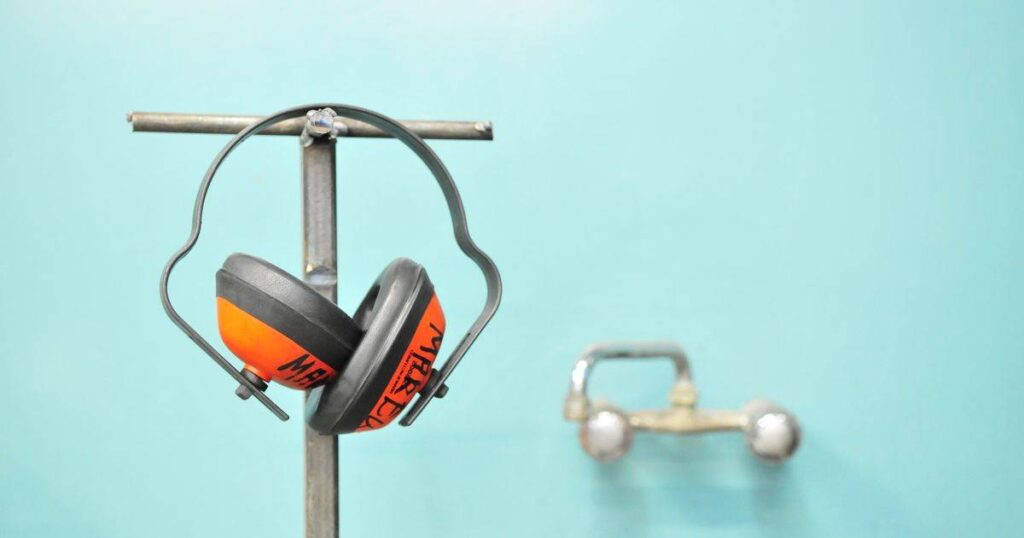
Understand noise damage vs age related hearing loss. Learn the key causes, distinct symptoms, audiogram patterns, and practical care options for your ears.
Our ability to hear connects us to the world, allowing us to engage in conversations, enjoy music, and stay aware of our environment. However, hearing perception frequently changes over time. Some people notice a slow, quiet fading of high-pitched sounds over decades, while others experience sudden changes after attending loud concerts or working around heavy machinery. Understanding how these changes happen is essential for maintaining sound hearing health throughout life. Two of the most widespread forms of auditory decline are noise-induced hearing loss and age-related presbycusis. While both conditions lead to difficulty hearing, their underlying mechanisms, clinical presentations, and prevention strategies differ significantly. By examining noise damage vs age related hearing loss, you can better understand your own auditory health, recognize early signs of damage, and take practical steps to protect your hearing for years to come.
How Noise Exposure and Acoustic Trauma Damage the Inner Ear
Noise-induced hearing loss occurs when excessive sound energy damages the delicate biological structures inside the inner ear. At the core of our hearing mechanism is the cochlea, a fluid-filled, snail-shaped organ lined with thousands of microscopic sensory hair cells known as stereocilia. These hair cells act as transducers, converting physical sound vibrations into electrical signals that the auditory nerve carries to the brain. When exposed to elevated decibel levels, typically sound intensity exceeding 85 decibels over an extended period, these fragile hair cells are overstimulated. This intense mechanical stress causes structural strain, metabolic fatigue, and eventually hair cell destruction. Once human stereocilia are destroyed, they do not regenerate, resulting in permanent hearing impairment.
It is helpful to distinguish between chronic noise exposure and sudden acoustic trauma hearing events. Chronic exposure involves repeated, prolonged sound overstimulation, such as working daily in an industrial facility or listening to personal audio devices at maximum volume. Over time, this causes cumulative, gradual attrition of hair cells. Conversely, sudden acoustic trauma hearing damage occurs instantaneously from an extremely brief, extremely high-decibel acoustic impulse, such as an explosion, a gunshot, or a localized blast. This powerful wave of sound pressure can physically rupture delicate inner ear membranes, disrupt auditory ossicles, or instantly shear off stereocilia. Early warning signs of noise damage often include temporary threshold shifts, where sound seems muffled for hours or days after an event, as well as localized tinnitus, which manifests as persistent ringing, buzzing, or humming in the ears.
Understanding Presbycusis: Causes and Biological Aging
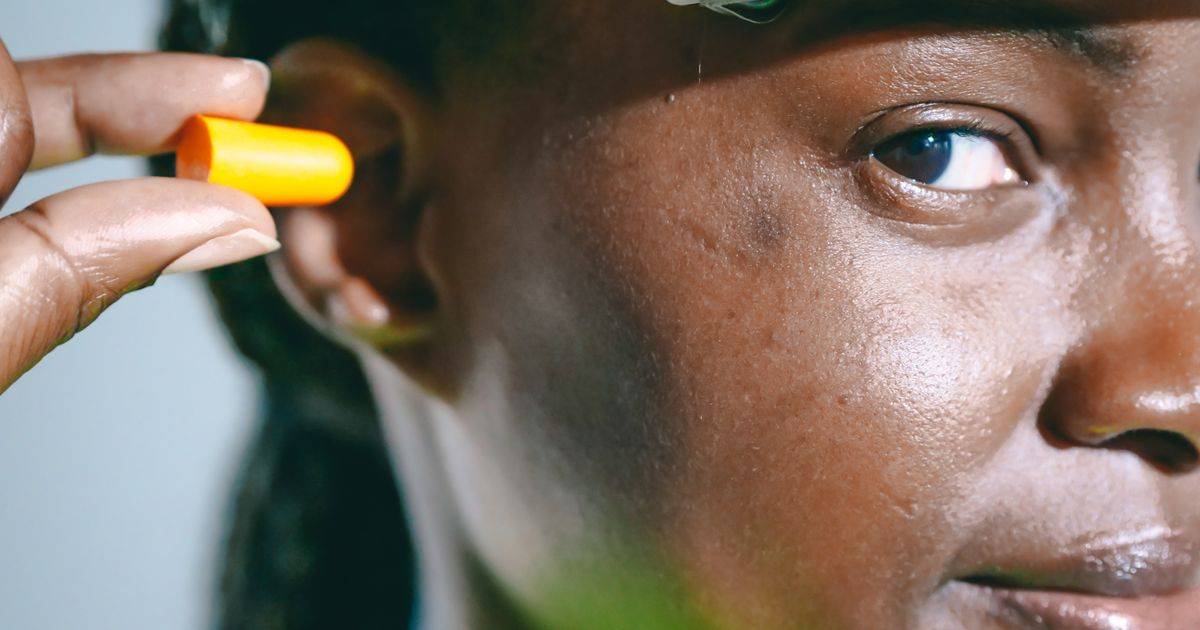
Age-related hearing loss, medically known as presbycusis, represents a natural, gradual decline in auditory acuity associated with biological aging. Unlike environmental noise damage, presbycusis is a progressive, bilateral sensory condition that typically affects both ears equally. It unfolds subtly over many years, often making it difficult for an individual to notice the change until significant loss has occurred. While almost everyone experiences some degree of sensory decline as they age, the rate and severity of presbycusis vary considerably from person to person.
The primary presbycusis causes stem from multifaceted biological changes occurring across the entire auditory system. These factors include:
- Attrition of sensory hair cells at the basal turn of the cochlea, which process higher frequencies.
- Vascular changes within the stria vascularis, the metabolic engine of the inner ear responsible for maintaining the chemical balance of endolymph fluid.
- Degeneration of auditory nerve fibers and neural pathways leading to the brain's central auditory cortex.
- Genetic predisposition that influences cellular susceptibility to age-related oxidative stress and metabolic breakdown.
Because these physiological changes occur uniformly throughout the body's cardiovascular and nervous systems, presbycusis almost always presents symmetrically in both ears and advances slowly across high audio frequencies first.
Noise Damage vs Age-Related Hearing Loss: Key Differences
Comparing noise damage vs age related hearing loss reveals distinct differences in onset, frequency patterns, and symmetry. Recognizing these distinctions helps clinicians identify the primary driver behind a person's auditory challenges.
The speed of onset differs markedly between the two conditions. Noise-induced damage can happen instantaneously following an acoustic trauma event, or it can advance in a stepwise fashion following discrete periods of heavy noise exposure. Presbycusis, by contrast, follows a smooth, steadily progressive trajectory without sudden shifts. On an audiogram (a visual graph of hearing sensitivity), noise damage traditionally produces a characteristic 4 kHz noise notch. This means hearing loss peaks sharply around the 4,000 Hertz frequency range, while sensitivity at higher and lower frequencies often remains relatively intact during early stages. In presbycusis, the audiogram reveals a smooth, downward-sloping loss curve across high frequencies (such as 2,000 Hz to 8,000 Hz), reflecting widespread cellular aging at the base of the cochlea.
Symmetry is another fundamental difference. Noise-induced loss can be asymmetrical depending on the sound source. For instance, a hunter may experience greater noise damage in the ear turned toward the gun barrel, or a driver may experience more loss in the ear closest to an open window. Presbycusis is virtually always symmetrical, affecting both ears in a balanced manner.
Note: Because individual hearing profiles can be complex, you should always consult a licensed audiologist or ear, nose, and throat doctor for an accurate diagnosis and customized care plan.
The Cumulative Impact: When Noise Damage and Aging Overlap
While noise damage and presbycusis are distinct processes, they do not exist in isolation. In reality, many older adults experience a combined, cumulative effect where past environmental noise exposure interacts with natural biological aging. Noise damage suffered during youth or midlife depletes the auditory system's structural reserve. When natural age-related decline begins decades later, the combined loss becomes far more pronounced.
A primary manifestation of this overlap is difficulty understanding speech in noisy environments, often referred to as impaired speech-in-noise perception. Both noise damage and presbycusis impair the ear's frequency resolution, making it challenging for the brain to separate human speech from ambient background noise. Individuals may feel that they can hear that people are talking, but cannot clearly understand what is being said. Protecting your ears early in life preserves hair cell density, effectively building a biological reserve that reduces the overall severity of hearing impairment during older age.
Evaluating and Managing Hearing Loss: What to Expect
Addressing hearing decline begins with a comprehensive medical evaluation and a professional audiogram. An audiogram measures the softest sounds you can hear at various pitches, providing a detailed picture of your auditory health. This testing allows specialists to pinpoint whether hearing loss stems from noise exposure, presbycusis, or a combination of factors.
Management options are available to help restore communication and improve quality of life:
- Modern hearing aids, which use digital signal processing to amplify specific frequencies and suppress background noise.
- Assistive listening devices, such as personal amplifiers, TV streaming connectors, and visual alert systems.
- Auditory training programs, which exercise the brain's ability to process complex sound environments.
- Practical preventive strategies, including wearing custom earplugs at loud events, utilizing noise-canceling headphones, and setting safe volume limits on personal audio devices.
Note: If you experience sudden hearing changes, persistent ringing, or difficulty understanding everyday conversation, please consult an ear doctor or audiologist for professional diagnostic testing and individualized medical recommendations.
Final Thoughts on Protecting Your Hearing Health
Understanding the distinction between noise-induced hearing damage and age-related presbycusis highlights an important reality: while aging is a natural biological process, noise-induced damage is largely preventable. Taking proactive steps today can protect your hearing health for the future. Wearing hearing protection in loud settings, keeping audio volumes moderate, and scheduling baseline hearing evaluations are simple yet powerful actions. No matter your age, paying attention to your ears today helps ensure clear communication, strong social connections, and better overall quality of life tomorrow.
Frequently Asked Questions
Noise damage is caused by loud sound exposure and often affects specific high frequencies like 4,000 Hz or occurs asymmetrically. Age-related hearing loss (presbycusis) is a natural, gradual decline that typically affects both ears equally across high frequencies over many years.
No, noise-induced hearing loss is generally permanent because damaged stereocilia (sensory hair cells) in the human inner ear cannot regenerate. However, supportive devices like hearing aids can significantly improve auditory function.
A 4 kHz noise notch is a characteristic pattern on a hearing test graph where hearing loss peaks sharply around 4,000 Hertz. This pattern is strongly associated with chronic exposure to loud noises or acoustic trauma.
Yes. Early exposure to loud noise damages hair cells and reduces the inner ear's biological reserve. When age-related changes set in later, the combined effect can lead to more severe hearing difficulty than age alone would cause.
Sounds at or above 85 decibels can cause damage over prolonged periods. Extremely loud sounds above 120 decibels, such as gunfire or jet engines nearby, can cause immediate acoustic trauma and permanent damage.