
Zeaxanthin

Tagetes erecta (marigold extract source)
Also known as: Macular carotenoid, Dietary zeaxanthin
Zeaxanthin is a vital macular carotenoid that filters harmful blue light and protects eye tissues against oxidative stress. It is commonly taken alongside lutein to support healthy vision and long-term macular function.
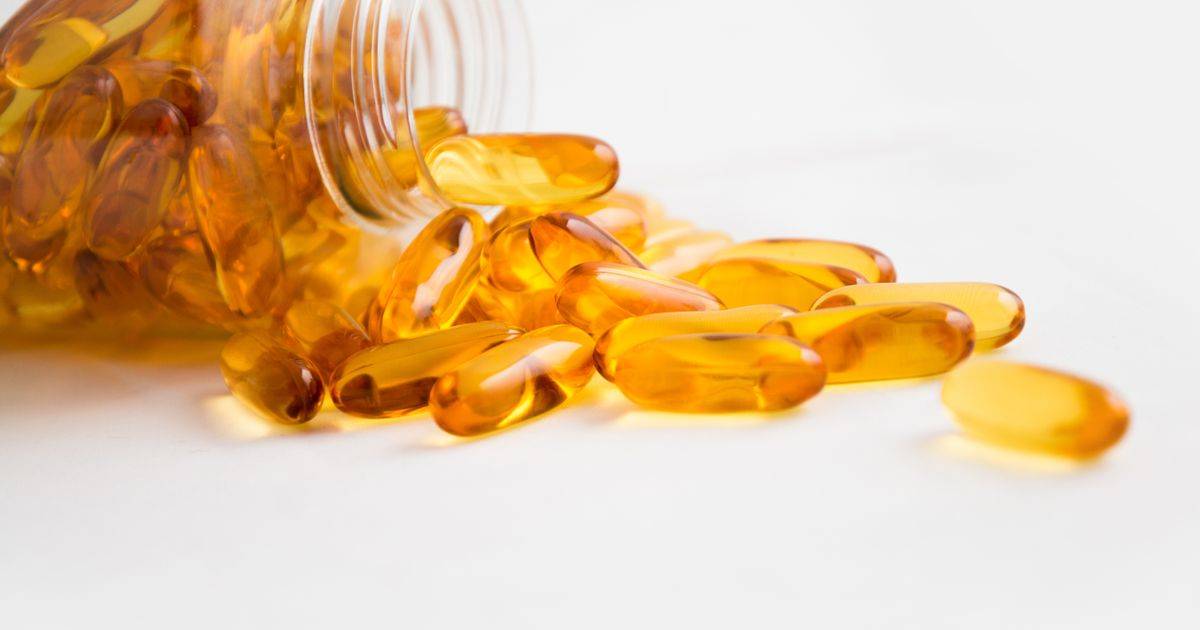
Discover zeaxanthin benefits and side effects, ideal dosages, and dietary sources. Learn how this powerful eye antioxidant protects macular vision.
Zeaxanthin is a natural dietary carotenoid and powerful antioxidant concentrated within the central retina of the human eye. Found naturally in yellow corn, orange peppers, egg yolks, and leafy green vegetables, this specialized pigment plays an essential role in maintaining long-term ocular health. Most commercial supplements derive zeaxanthin from marigold flower extracts. People frequently use a zeaxanthin supplement to protect retinal cells, filter high-energy blue light, and improve visual performance.
Understanding zeaxanthin benefits and side effects is crucial for anyone seeking to optimize their visual clarity or preserve macular density as they age. By absorbing damaging light wavelengths and neutralizing free radicals in the macula, zeaxanthin helps maintain healthy vision under challenging lighting conditions. Because individual visual needs and existing medical conditions vary, it is always wise to consult a qualified healthcare professional before beginning any new daily supplement routine.
Zeaxanthin Profile and Quick Facts
Zeaxanthin Forms and Typical Dosage
| FORM | TYPICAL DOSAGE RANGE |
|---|---|
| Softgels / Capsules | 2 mg - 10 mg daily |
| Marigold Extract Formulations | 2 mg daily |
| Multivitamin Eye Complexes | 1 mg - 3 mg daily |
Key Health Benefits of Zeaxanthin

- Filters high-energy blue light to shield retinal tissue
- Provides antioxidant protection against macular oxidative stress
- Enhances visual contrast sensitivity and glare recovery
- Supports optimal macular pigment optical density
- Promotes overall long-term eye health and visual endurance
Frequently Asked Questions
Zeaxanthin benefits include blue light filtration, enhanced visual contrast sensitivity, and strong antioxidant protection for the retina. Side effects are extremely rare and mild, though very high doses may lead to harmless skin yellowing called carotenodermia.
A standard daily zeaxanthin dosage ranges from 2 mg to 10 mg per day. Clinical eye studies frequently recommend 2 mg of zeaxanthin paired with 10 mg of lutein for optimal macular support.
While zeaxanthin is present in corn, orange peppers, egg yolks, and leafy greens, average dietary intake is often relatively low. A zeaxanthin supplement can help bridge the gap for individuals seeking focused macular protection.
Yes, daily zeaxanthin safety is well-established in nutritional research. It is considered safe for long-term use at recommended doses. Always speak with your healthcare provider to confirm the right regimen for your needs.
Zeaxanthin is a fat-soluble carotenoid, which means it is absorbed much more effectively when consumed alongside dietary fats such as olive oil, avocado, or a standard meal.