
Astaxanthin

Haematococcus pluvialis
Also known as: Microalgae Extract, Keto-carotenoid, Red Carotenoid
Astaxanthin is a potent fat-soluble carotenoid antioxidant derived from microalgae, widely utilized to support skin, visual, joint, and cardiovascular health.
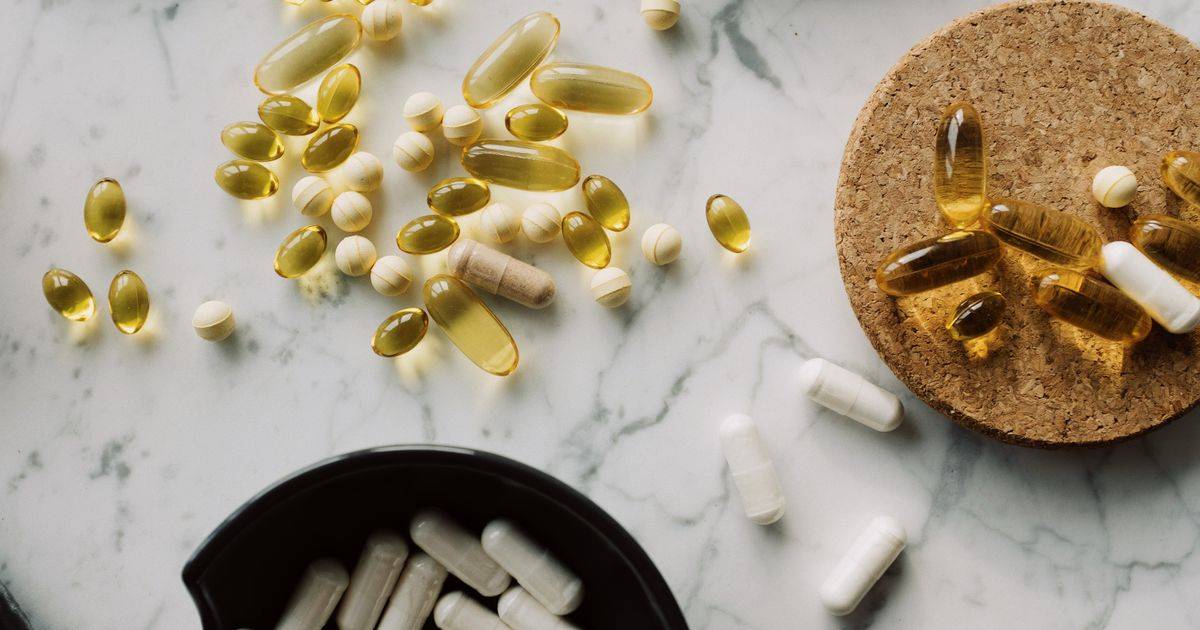
Learn about Astaxanthin benefits and side effects, common dosages, supplement forms, and safety guidelines for optimal daily use.
Astaxanthin is a powerful naturally occurring keto-carotenoid pigment derived primarily from the microalgae Haematococcus pluvialis. Known for its vibrant red hue, this lipid-soluble antioxidant plays a vital role in protecting cells against oxidative stress by neutralizing free radicals throughout the body. People frequently turn to an astaxanthin supplement to support skin elasticity, maintain eye health, promote joint comfort, and bolster cardiovascular function.
Because it is fat-soluble, astaxanthin is absorbed most efficiently when taken alongside meals containing healthy fats. While it is widely considered safe and well tolerated by most individuals, high intakes can occasionally cause harmless changes in stool coloration or mild gastrointestinal adjustments. As with any dietary supplement routine, it is always recommended to consult a qualified healthcare professional before beginning use, especially if you take prescription medications or have existing health conditions.
Astaxanthin: Quick Facts and Profile
Common Astaxanthin Forms and Recommended Dosage
| FORM | TYPICAL DOSAGE RANGE |
|---|---|
| Oil Softgels | 4 mg to 12 mg daily |
| Veggie Capsules | 4 mg to 8 mg daily |
| Liquid Oil Drops | 4 mg to 12 mg daily |
| Powder | 4 mg to 8 mg daily |
Top Health Benefits of Astaxanthin

- Provides robust antioxidant protection against cellular oxidative stress
- Supports skin elasticity, moisture retention, and overall smoothness
- Helps alleviate eye fatigue and supports visual endurance
- Promotes joint mobility and physical comfort after exertion
- Supports cardiovascular function and blood vessel integrity
- Enhances natural cellular defense mechanisms throughout the body
Frequently Asked Questions
Astaxanthin offers broad antioxidant support that benefits skin hydration, visual comfort, and joint flexibility. Side effects are typically mild and rare, but high doses may lead to a harmless pinkish tint in stools or slight digestive changes.
Because astaxanthin is a lipid-soluble compound, it is best absorbed when taken alongside a meal that contains healthy dietary fats, such as avocado, olive oil, or nuts.
Most nutritional guidelines recommend a daily dosage between 4 mg and 12 mg per day. It is advisable to start with a lower dose to assess personal response.
Yes, daily supplementation with astaxanthin is generally considered safe when taken within standard dosage limits. Always consult a physician if you are pregnant, nursing, or managing a chronic health condition.
While astaxanthin is generally well tolerated, potential interactions may occur with blood pressure or blood-thinning medications. Discuss your supplement routine with a healthcare provider before starting.