
Panax Ginseng

Panax ginseng C.A. Meyer
Also known as: Asian Ginseng, Korean Ginseng, Red Ginseng, Chinese Ginseng
Panax Ginseng is a traditional adaptogenic root valued for supporting stamina, mental clarity, and immune health.
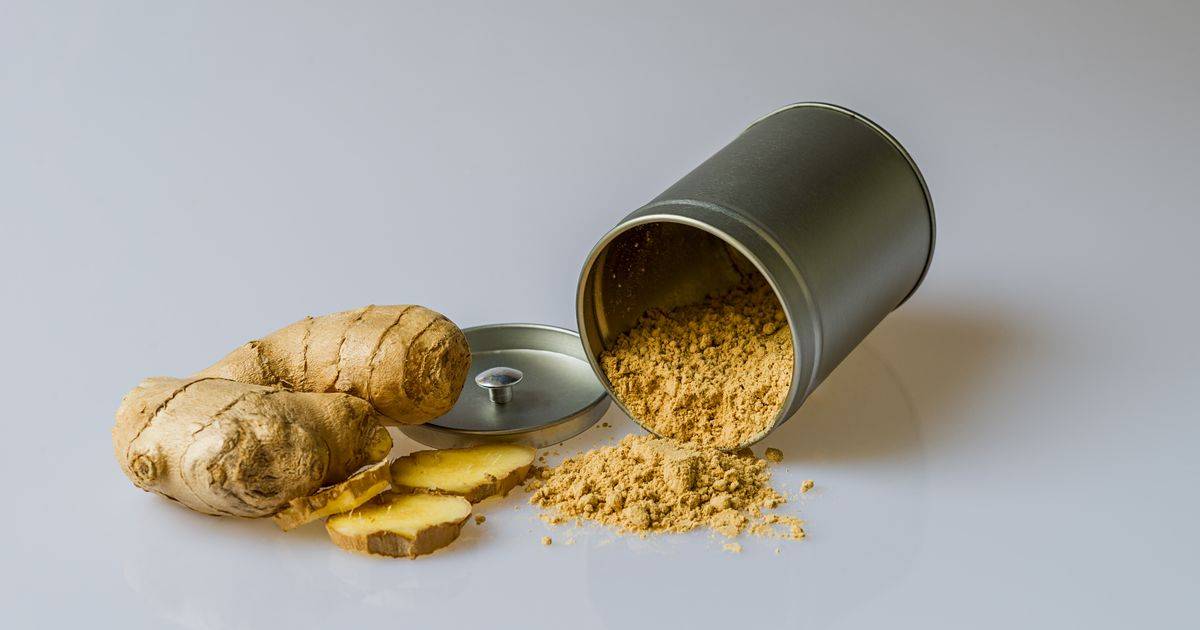
Explore Panax Ginseng benefits and side effects, common supplement forms, safety warnings, and practical dosage guidelines in this guide.
Panax Ginseng, also known as Asian ginseng or Korean ginseng, is one of the most revered traditional adaptogenic herbs in the world. For centuries, practitioners of traditional East Asian medicine have relied on this slow-growing perennial root to revitalize energy, sharpen mental clarity, and promote long-term vitality. Today, modern wellness enthusiasts widely seek out Panax Ginseng supplements to help the body adapt to physical and psychological stress.
The primary therapeutic value of Panax Ginseng lies in its unique bioactive compounds, known as ginsenosides and gintonin. These phytochemicals work synergistically to support cellular stamina, immune response, and overall metabolic balance. While generally well tolerated, high doses or prolonged use can lead to side effects or interactions with medications. Individuals with pre-existing health conditions or those taking prescription drugs should always consult a healthcare professional before adding Panax Ginseng to their daily regimen.
Panax Ginseng Profile and Quick Facts
Panax Ginseng Forms and Typical Dosage
| FORM | TYPICAL DOSAGE RANGE |
|---|---|
| Standardized Extract (Capsules) | 200 - 400 mg daily |
| Raw Root Powder | 1,000 - 2,000 mg daily |
| Liquid Extract | 1 - 2 ml daily |
| Ginseng Tea | 1 - 2 cups daily |
Key Health Benefits of Panax Ginseng
- Supports physical stamina and athletic endurance
- Promotes mental clarity, focus, and memory performance
- Helps the body adapt to physical and mental stress
- Enhances healthy immune system function and resilience
- Maintains balanced cellular energy and reduces fatigue
- Supports healthy blood sugar metabolism within normal ranges
Frequently Asked Questions
Panax Ginseng (Asian ginseng) is generally considered to have more warming and stimulating properties, making it popular for boosting energy and focus. In contrast, American Ginseng (Panax quinquefolius) is traditionally viewed as more relaxing and cooling, often used to promote calm energy and stress resilience.
Common side effects of Panax Ginseng are usually mild but can include insomnia, headache, digestive upset, and temporary blood pressure changes. Nervousness or restlessness may occur if taken in high doses or alongside caffeine. It is best to start with a lower dose to assess tolerance.
Some individuals notice acute improvements in alertness and mental focus within a few hours of taking a dose. However, adaptogenic benefits like enhanced stress tolerance, physical endurance, and overall vitality typically build over two to four weeks of consistent daily use.
Yes, Panax Ginseng can interact with blood thinners, blood pressure medications, diabetes therapies, and immunosuppressants. Because it may alter blood sugar levels and blood clotting, individuals taking prescription drugs should always check with a doctor before using this supplement.
Panax Ginseng is safe for most healthy adults when used for up to two to three months at a time. Herbalists and health experts frequently recommend taking a break of one to two weeks after continuous use to prevent tolerance and maintain maximum efficacy.