
Peppermint

Mentha piperita
Also known as: Brandy Mint, Balm Mint
Peppermint is a widely used botanical known for supporting digestive comfort and relaxing gastrointestinal smooth muscle.
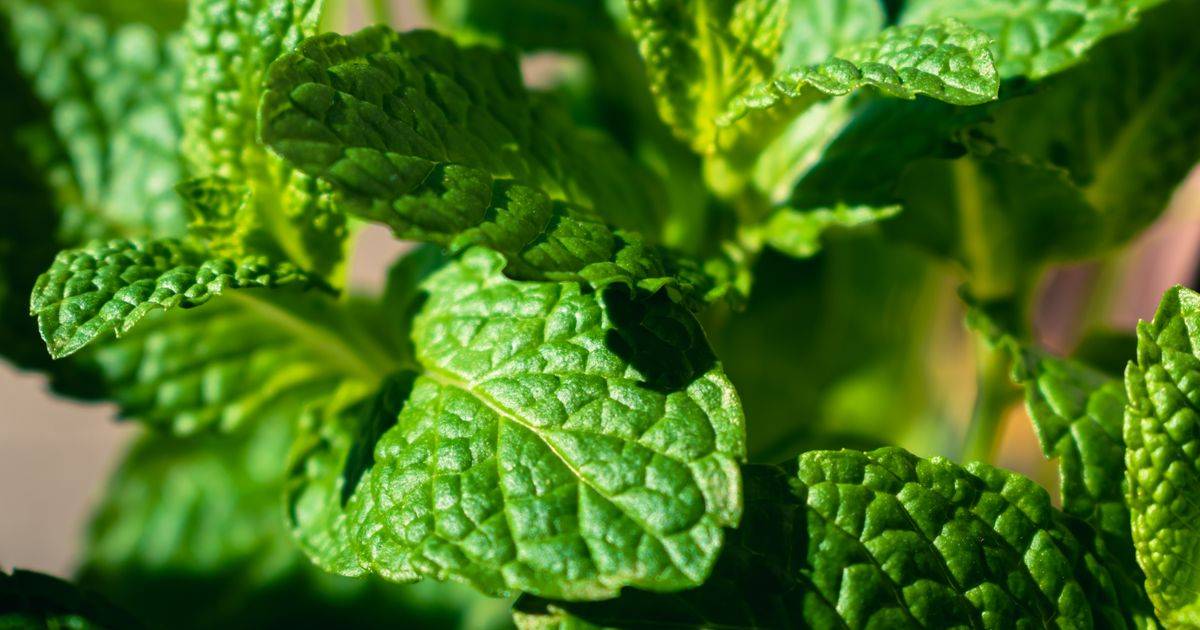
Learn about peppermint benefits and side effects, recommended dosages, enteric-coated supplement forms, and key gastrointestinal safety guidelines.
Peppermint, known scientifically as Mentha piperita, is an aromatic herb created from a natural cross between watermint and spearmint. Valued for centuries in traditional herbal practice, peppermint is now widely recognized for its targeted support of digestive health. The primary active component responsible for its distinct aroma and soothing properties is menthol, along with related natural compounds such as menthone.
Many individuals turn to a peppermint supplement or peppermint tea to relieve occasional digestive discomfort, abdominal bloating, and gas. Menthol acts as a natural antispasmodic, promoting smooth muscle relaxation in the gastrointestinal tract. This gentle mechanism makes peppermint particularly popular for managing symptoms of Irritable Bowel Syndrome (IBS). While peppermint is generally safe for most healthy adults, individuals experiencing acid reflux, GERD, or gallstone complications should exercise caution, as peppermint can relax the lower esophageal sphincter. It is always best to consult a healthcare professional before starting any new herbal routine.
Peppermint Overview and Fast Facts
Peppermint Supplement Forms and Dosage Guidance
| FORM | TYPICAL DOSAGE RANGE |
|---|---|
| Enteric-Coated Capsules | 0.2 to 0.4 mL (180 to 200 mg) |
| Herbal Tea | 1 to 2 cups daily |
| Liquid Extract | 1 to 2 mL |
Key Health Benefits of Peppermint
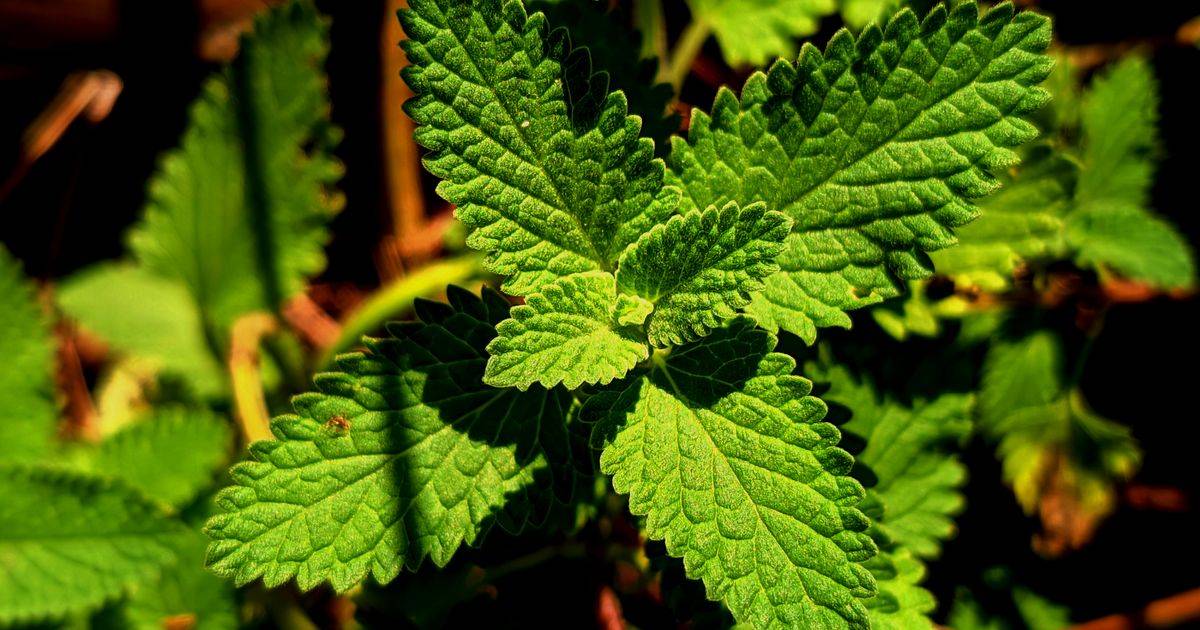
- Relieves symptoms associated with Irritable Bowel Syndrome (IBS)
- Promotes smooth muscle relaxation in the digestive tract
- Helps reduce abdominal gas, cramps, and bloating
- Supports general gastrointestinal comfort and motility
- Provides cooling fresh breath and oral hygiene benefits
Frequently Asked Questions
Peppermint benefits include reduced digestive cramping, decreased bloating, and relief from symptoms of IBS. Side effects are typically mild but may include heartburn, nausea, or localized allergic reactions.
People with Gastroesophageal Reflux Disease (GERD), hiatus hernia, or active gallstones should use peppermint with caution. Peppermint oil can relax the sphincter between the stomach and esophagus, potentially worsening heartburn symptoms.
Enteric-coated capsules prevent the peppermint oil from releasing in the stomach, allowing it to pass directly into the intestines. This reduces the risk of acid reflux while ensuring targeted smooth muscle relaxation where IBS symptoms occur.
The main active compound, menthol, inhibits calcium channels in intestinal smooth muscle cells. This activity blocks excessive contractions and helps soothe intestinal spasms.
For general digestive comfort, enjoying 1 to 2 cups of peppermint tea daily is common. For clinical support like IBS, standardized enteric-coated capsules delivering 180 to 200 mg of peppermint oil taken 2 to 3 times daily are typically recommended under medical guidance.