
Ceylon Cinnamon Bark

Cinnamomum verum
Also known as: True Cinnamon, Sri Lankan Cinnamon, Cinnamomum zeylanicum
Ceylon Cinnamon Bark is known as true cinnamon, offering gentle metabolic and antioxidant support with safe, ultra-low coumarin content.
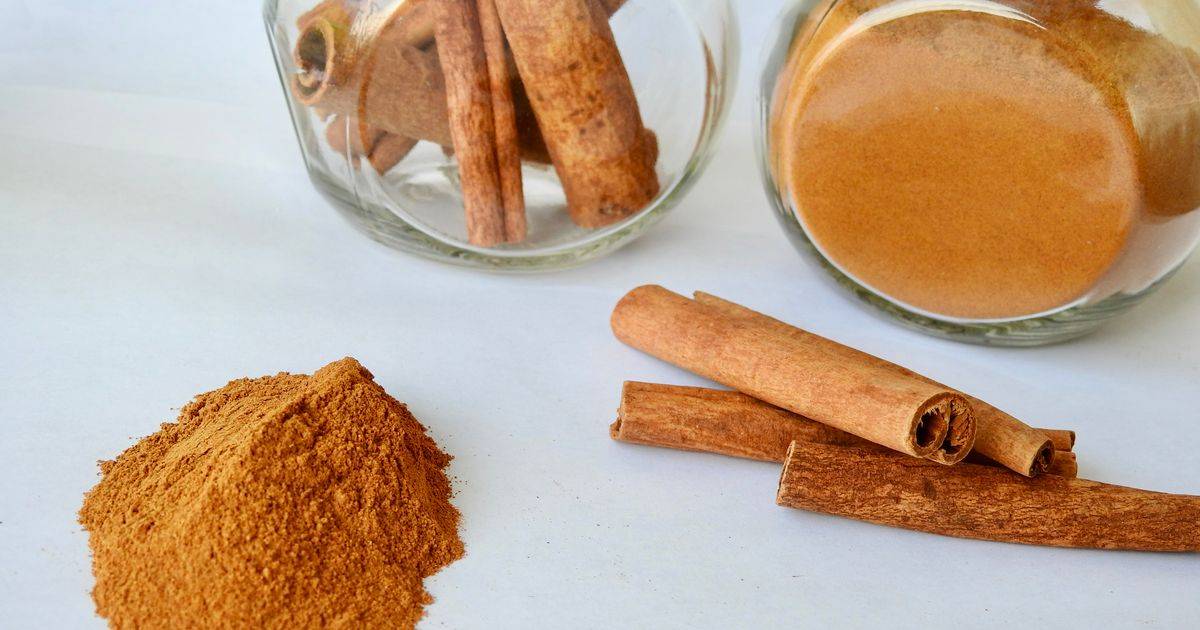
Learn about Ceylon Cinnamon Bark benefits and side effects, recommended dosage, active compounds, and its role in metabolic health support.
Ceylon Cinnamon Bark, derived from the Cinnamomum verum tree native to Sri Lanka, is frequently referred to as true cinnamon. Unlike common Cassia cinnamon, which contains elevated levels of coumarin that can stress the liver when consumed in large amounts, Ceylon cinnamon naturally features ultra-low coumarin content. This unique botanical profile makes it a preferred choice for daily dietary supplementation and long-term metabolic health support.
People commonly utilize Ceylon Cinnamon Bark to support healthy blood sugar balance, enhance insulin sensitivity, and provide robust antioxidant protection against cellular oxidative stress. Its natural bioactive compounds, including cinnamaldehyde and polyphenols, help facilitate efficient glucose metabolism after meals. While generally safe and well tolerated by most individuals, those taking blood sugar medications or managing health conditions should consult a healthcare professional before starting supplementation to ensure safe use.
Ceylon Cinnamon Bark Overview
Forms and Recommended Dosage
| FORM | TYPICAL DOSAGE RANGE |
|---|---|
| Standardized Capsule Extract | 500 mg - 1,500 mg daily |
| Raw Organic Powder | 1,000 mg - 2,000 mg daily |
| Liquid Tincture | 1 mL - 2 mL daily |
Key Health Benefits of Ceylon Cinnamon Bark

- Supports healthy blood sugar balance already within normal range
- Promotes insulin sensitivity and efficient glucose uptake
- Provides powerful antioxidant protection against cellular damage
- Contains minimal coumarin levels for liver-safe daily supplementation
- Supports healthy cholesterol and lipid metabolism
- Offers natural soothing compounds for digestive comfort
Frequently Asked Questions
Ceylon cinnamon comes from the Cinnamomum verum tree and is considered true cinnamon. Cassia cinnamon comes from a different species and contains significantly higher levels of coumarin, a compound that can cause liver toxicity when consumed regularly in high amounts. Ceylon cinnamon contains negligible coumarin, making it much safer for long-term daily use.
The main benefits of Ceylon Cinnamon Bark include supporting healthy blood sugar levels, improving insulin sensitivity, and supplying rich antioxidants. Side effects are generally mild and rare, but may include occasional stomach upset or mild digestive irritation if taken on an empty stomach.
Most clinical studies and dietary supplement guidelines suggest a daily dosage between 500 mg and 2,000 mg. It is usually best to split the dose across two meals to support post-meal glucose response.
Yes, because Ceylon cinnamon can help lower blood glucose levels, combining it with prescription blood sugar medications or insulin may increase the risk of low blood sugar. Individuals taking diabetes medications should consult their physician before adding Ceylon cinnamon to their daily regimen.
Yes, Ceylon Cinnamon Bark has an excellent safety profile due to its extremely low coumarin content. Unlike Cassia cinnamon, it does not pose the same concerns regarding liver burden, making it suitable for ongoing dietary support when used as directed.