
Tea Tree Oil

Melaleuca alternifolia
Also known as: Melaleuca Oil, Tea Tree Essential Oil
Tea tree oil is a botanical essential oil used topically to promote clear skin, soothe the scalp, and support nail health. It must always be diluted with a carrier oil before application and should never be consumed orally.
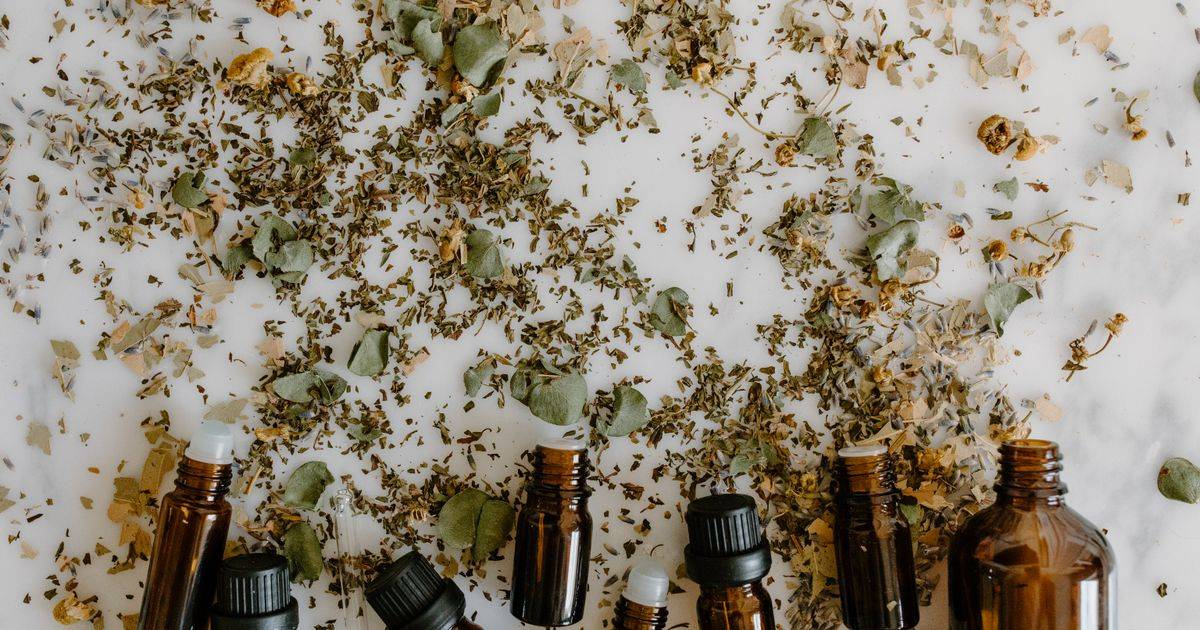
Learn about key Tea Tree Oil benefits and side effects. Discover safe topical dilution methods, scalp care uses, and vital precautions.
Tea tree oil is a potent essential oil steam-distilled from the leaves of Melaleuca alternifolia, a plant native to Australia. For generations, traditional native remedies relied on these leaves to soothe minor skin discomforts. Today, tea tree oil is widely recognized in modern cosmetic and topical formulations for its clarifying, cleansing, and purifying properties.
People frequently use tea tree oil to target skin blemishes, manage mild acne, clear up scalp flakes, and maintain healthy nails. Its natural cleansing properties make it a popular addition to serums, shampoos, and localized spot treatments. However, because it is extremely concentrated, it requires proper dilution to prevent skin irritation. Crucially, tea tree oil should never be ingested. If you are new to topical essential oils or manage sensitive skin conditions, consult a healthcare professional or dermatologist before incorporating tea tree oil into your routine.
Tea Tree Oil at a Glance
Available Forms and Application Guidelines
| FORM | TYPICAL DOSAGE RANGE |
|---|---|
| Pure Essential Oil | 1-5% concentration |
| Topical Serums | Apply as directed |
| Shampoos & Body Washes | 1-2% formulation |
| Ointments & Balms | Spot treatment |
Key Benefits of Tea Tree Oil

- Supports clear skin by helping manage mild acne and blemishes
- Soothes itchy skin and reduces visible redness when properly diluted
- Promotes a healthy, flake-free scalp environment
- Helps maintain clean and healthy-looking fingernails and toenails
- Provides natural purifying properties for cosmetic skincare formulations
Frequently Asked Questions
No, tea tree oil must never be ingested. Consuming tea tree oil orally can cause serious toxic reactions, leading to symptoms such as confusion, unsteadiness, or digestive distress. It is strictly intended for external, topical use only.
To dilute tea tree oil safely, mix 1 to 2 drops of pure essential oil into 1 teaspoon of a gentle carrier oil, such as jojoba, almond, or coconut oil. This creates a concentration around 1% to 2%, significantly reducing the risk of skin irritation.
The primary benefits of tea tree oil include supporting clear skin, soothing scalp irritation, and purifying nails. Potential side effects include skin redness, burning sensations, dryness, itching, and allergic contact dermatitis, especially when used undiluted or in high concentrations.
While many individuals tolerate diluted tea tree oil well, people with sensitive skin, eczema, or botanical allergies may experience irritation. Performing a patch test on a small patch of skin prior to full application is strongly advised.
No, tea tree oil can be toxic to domestic pets, particularly cats and dogs, even in small amounts. Always store tea tree oil products securely out of reach of animals and avoid applying it to their skin or fur.