
Nutrient Deficiencies Linked to Hair Loss: What to Know

Discover key nutrient deficiencies linked to hair loss. Learn how low ferritin, vitamin D, and zinc trigger rapid shedding and how to restore hair density.
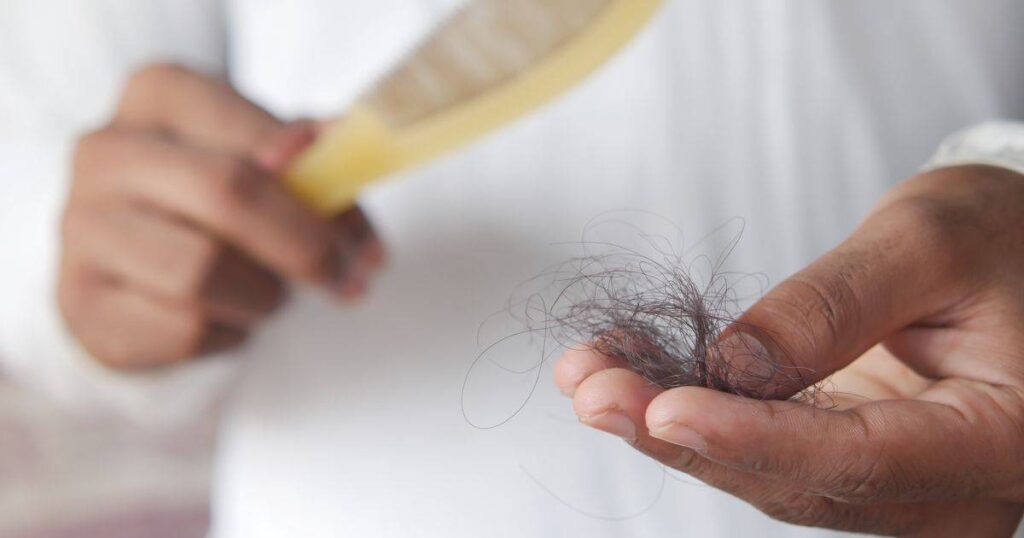
Few experiences are as alarming as finding large clumps of hair in your shower drain, on your pillowcase, or woven through your hairbrush. When sudden, diffuse hair shedding occurs without obvious structural breakage, the cause is frequently a condition known as telogen effluvium. Telogen effluvium is a reactive form of rapid hair loss triggered when the body undergoes significant physical, metabolic, or emotional stress. While many people attribute sudden hair loss to acute anxiety or recent illness, internal nutritional shortages are among the most common and overlooked catalysts. Identifying the specific nutrient deficiencies linked to hair loss is a critical step toward stopping the loss and rebuilding vibrant, dense hair. By understanding which micronutrients support follicle biology, you can take informed, safe steps to restore your nutritional foundation.
How Telogen Effluvium Shifts Your Hair Growth Cycle
To understand why internal nutritional gaps cause such dramatic physical shedding, it helps to review the biological life cycle of a human hair follicle. Under normal conditions, every hair on your scalp operates on an independent, three-phase developmental timeline. The first phase, called the anagen phase, is the active growth stage where follicle cells rapidly divide to build the hair shaft. This phase typically lasts anywhere from two to seven years and accounts for roughly 85 to 90 percent of the hair on a healthy scalp at any given time. Following anagen, the follicle transitions into the short catagen phase, a brief two-week regression period where active growth halts and the follicle detaches from its localized blood supply. Finally, the hair enters the telogen phase, a resting period lasting approximately three months before the old strand falls out to make room for new growth.
When your body encounters systemic stress, such as severe caloric restriction, sudden weight loss, or chronic nutrient shortages, it enters a protective survival mode. Because scalp hair is not essential for vital organ survival, metabolic resources are diverted away from follicle maintenance toward vital cardiovascular and neurological functions. This sudden shift forces a massive percentage of active growth follicles to prematurely stop their anagen phase and enter the resting telogen phase simultaneously. Because the telogen resting phase lasts anywhere from two to four months before the strand is released, shedding usually begins weeks or months after the initial nutritional trigger occurred. This delayed timeline often leaves individuals confused about the underlying cause. Fortunately, because telogen effluvium does not permanently damage or destroy the hair follicles, the condition is highly reversible once the underlying nutritional shortages are fully corrected.
Iron Deficiency and Low Ferritin: The Major Driver of Unexplained Hair Fall

Among the various micro-nutritional shortfalls that affect follicle dynamics, low iron status stands out as one of the most prominent triggers. However, many people who suffer from low ferritin hair fall receive normal results on standard blood tests because standard panels often measure serum iron rather than total iron stores. Serum iron reflects the amount of iron circulating in your blood at a given moment, whereas ferritin is a key protein that stores iron inside your tissues for future metabolic use. It is entirely possible to have normal serum iron levels while suffering from severely depleted ferritin reserves. When tissue ferritin drops below optimal levels, hair follicles are among the first physiological systems to suffer, even long before full-blown systemic anemia develops.
Iron plays an indispensable role in producing hemoglobin, the protein in red blood cells that delivers oxygen to tissues throughout the body, including the hair matrix. The matrix cells located within the hair bulb are among the fastest dividing cells in human physiology, requiring a constant and abundant supply of oxygen and essential nutrients to support rapid cellular replication. When iron stores fall, cellular turnover within the hair bulb slows dramatically, signaling the follicle to abort its active growth cycle. Common risk factors for depleted ferritin include heavy menstrual bleeding, regular blood donation, gastrointestinal malabsorption issues, and restrictive plant-based diets that lack easily absorbable heme iron. Because excess iron can build up to toxic levels in the body, it is essential to consult your doctor for complete laboratory testing before attempting high-dose iron supplementation.
Vitamin D and Zinc Deficiencies: Regulators of Follicle Cycling and Repair
In addition to iron, micronutrients like vitamin D and zinc act as powerful biological regulators of hair follicle growth and tissue repair. Vitamin D functions as a vital hormone in the body, binding to specific nuclear receptors located directly within hair follicle cells. These receptors play a crucial role in stimulating new hair follicles and awakening dormant ones from their resting state. When vitamin D levels are insufficient, the complex chemical signaling required to launch new growth cycles becomes compromised. Research suggests that inadequate sunshine exposure, insufficient dietary intake, and genetic variations in receptor sensitivity can lead to persistent zinc vitamin D hair thinning, where overall scalp coverage gradually degrades alongside active shedding.
Zinc is another fundamental trace element required for hundreds of enzymatic processes, tissue repair, and optimal oil gland performance around each hair follicle. It helps maintain the structural integrity of hair proteins and regulates localized inflammatory responses. A deficiency in zinc can weaken the structural anchor of the hair shaft and disrupt cellular division, accelerating strand detachment. Factors that contribute to low zinc levels include chronic digestive disorders, high-phytate diets rich in unrefined grains and legumes that bind zinc, and heavy alcohol intake. Incorporating zinc-rich foods such as shellfish, pumpkin seeds, and grass-fed meats, alongside adequate vitamin D exposure through sunlight or dietary sources, can help stabilize the follicle environment and encourage resilient hair structure.
Protein Depletion and B-Vitamin Imbalances: Essential Structural Building Blocks
While micronutrients regulate follicle signals, macronutrients like protein provide the literal building blocks required to assemble hair strands. Scalp hair is composed almost entirely of keratin, a dense structural protein made up of specialized amino acids. When daily dietary protein intake is chronically low, whether due to severe calorie-restricted diets, eating disorders, or poorly planned meal patterns, the body conserves its available amino acid pool for essential tissue repair and enzyme production. As a result, hair construction is halted, forcing active growth follicles into premature resting phases. Ensuring adequate daily protein from quality whole foods is foundational for maintaining consistent hair density and strength.
Alongside protein, specific B-complex vitamins act as critical metabolic cofactors during hair matrix synthesis. Vitamin B12 and folate (vitamin B9) are essential for red blood cell synthesis and DNA replication, both of which are required to fuel the rapid turnover of matrix cells within the hair follicle bulb. A deficiency in either B12 or folate can impair oxygen delivery and cellular production, contributing to diffuse shedding. Meanwhile, biotin (vitamin B7) is widely popularized as a hair growth remedy, but genuine biotin deficiency is actually quite rare in individuals eating a balanced diet. Biotin supplementation is primarily effective for those with a diagnosed deficiency or specific metabolic conditions. Rather than focusing on single high-dose vitamins, prioritizing a well-rounded diet with balanced macronutrients and metabolic B vitamins yields far better long-term hair health.
Identifying Deficiencies and Safe Steps Toward Recovery
If you suspect that hidden nutritional gaps are driving your rapid hair shedding, taking a methodical and scientifically grounded approach to diagnosis is essential. Rather than purchasing random over-the-counter hair supplements, begin by scheduling a targeted blood panel with a qualified medical professional. Key tests should include serum ferritin, 25-hydroxy vitamin D, zinc, folate, vitamin B12, and a complete blood count. Testing allows you to identify exact deficiencies rather than relying on guesswork, ensuring that your treatment strategy addresses the true root cause of your hair loss.
Taking high-dose supplements without medical oversight can lead to unexpected health risks. For example, excessive iron accumulation can cause tissue damage in the liver and heart, while overly high zinc intake can suppress copper absorption and lead to secondary neurological issues or immune dysfunction. Always consult your doctor or a dermatologist before starting new therapeutic supplement regimens to establish safe and personalized dosages. Once a targeted treatment plan is established, remember that hair growth requires significant patience. Because hair follicles operate on a slow, multi-month cycle, it typically takes three to six months for excessive shedding to subside after correcting a deficiency, with visible new growth appearing gradually over the subsequent year.
Final Thoughts on Nurturing Hair Health from Within
Experiencing rapid hair shedding from telogen effluvium can feel overwhelming, but it is reassuring to know that hair loss caused by nutritional imbalances is usually temporary and reversible. By taking a proactive, science-backed approach, you can identify hidden nutrient shortages, replenish your body's vital stores, and reactivate dormant hair follicles. Focus on a whole-food diet rich in complete proteins, biological iron, healthy fats, and essential minerals, supported by professional medical guidance when supplementation is required. Restoring hair health is a continuous journey that requires time and nurturing. Give your body the essential resources it needs, maintain consistent healthy habits, and trust the natural recovery timeline as your hair returns to its optimal density and strength.
Frequently Asked Questions
It generally takes between three to six months for hair shedding to slow down after correcting a nutrient deficiency. Hair follicles remain in the telogen resting phase for roughly 90 to 120 days before shedding, so patience is key during the recovery process.
Yes, low ferritin can cause significant hair shedding even if your complete blood count and serum iron levels appear normal. Ferritin reflects stored iron levels, and hair follicles require adequate stored iron to sustain active growth.
Biotin will only help if your hair loss is caused by an actual biotin deficiency, which is relatively rare. If your shedding is driven by low ferritin, vitamin D deficiency, or protein restriction, biotin supplements alone will not resolve the problem.
Telogen effluvium typically presents as sudden, diffuse shedding across the entire scalp, often triggered by a major stressor or nutritional change. Androgenetic alopecia is a gradual thinning that follows specific patterns, such as a receding hairline or widening part line. A dermatologist can perform an examination to diagnose the exact type of hair loss.
No, hair loss caused by nutritional deficiencies is generally temporary and reversible. Once the underlying nutritional baseline is restored and blood levels remain stable, hair follicles resume their normal active growth cycle over time.