
Subtle Signs Of An Unhealthy Gut You Should Not Ignore


Discover the early signs of an unhealthy gut, from brain fog to skin issues. Learn how to identify subtle dysbiosis warning signs for better health today.
The human digestive tract is home to trillions of microorganisms collectively known as the gut microbiome. This intricate inner ecosystem plays a vital role in maintaining daily energy levels, regulating emotional well-being, supporting immune defense, and aiding nutrient absorption. When this complex community becomes unbalanced, a state clinically referred to as dysbiosis, the consequences ripple throughout the entire body. Many people associate gastrointestinal health strictly with severe stomach pain or immediate digestive upset. However, the earliest signs of an unhealthy gut are frequently subtle, quiet, and easily overlooked. Recognizing these mild dysbiosis warning signs allows you to take proactive steps toward restoring internal balance long before more serious metabolic or inflammatory issues arise.
Persistent Fatigue and Brain Fog Beyond Normal Tiredness
When your digestive flora is out of equilibrium, one of the most common manifestations occurs far away from the stomach itself. Feeling perpetually exhausted despite sleeping eight hours, or struggling through a persistent mental haze, often links back to poor gut flora symptoms. The beneficial bacteria residing in your intestines actively assist in breaking down complex nutrients, synthesizing key B vitamins, and promoting cellular energy metabolism. When harmful bacteria outnumber helpful species, nutrient breakdown efficiency plummets, leaving your body running on low energy reserves.
Beyond simple physical fatigue, microbial imbalances trigger low-grade systemic inflammation. Gut bacteria release metabolic byproducts that can compromise the structural integrity of the intestinal lining. When this protective barrier weakens, inflammatory markers circulate through the bloodstream and can cross the blood-brain barrier. This neuroinflammation directly impacts cognitive functioning, leading to memory slips, slowed processing speeds, and difficulty maintaining focus throughout the workday.
- Prioritize diverse, fiber-rich whole foods to feed beneficial microbial colonies.
- Reduce the intake of ultra-processed foods that fuel harmful bacterial growth.
- Monitor energy shifts relative to meal composition and timing.
Subtle Digestive Discomfort: Chronic Bloating, Gas, and Irregularity
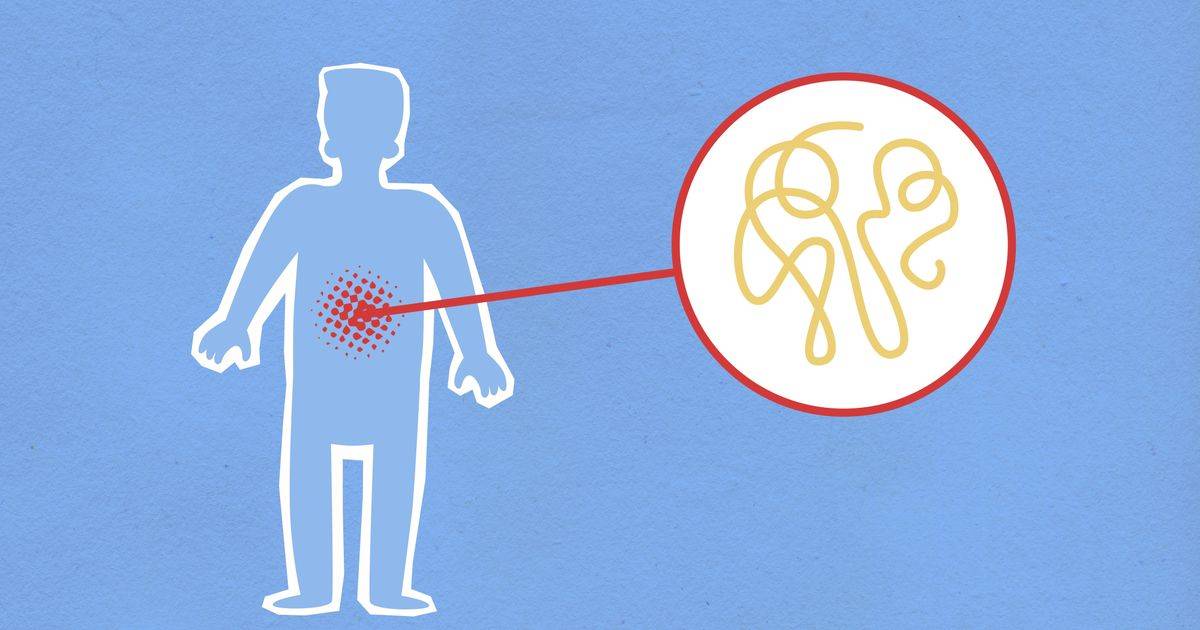
While major digestive distress gets immediate attention, subtle and persistent gastrointestinal discomfort is often normalized or dismissed. Feeling slightly bloated after meals, experiencing moderate daily gas, or noticing minor shifts in stool consistency are primary signs of an unhealthy gut. There is a distinct difference between occasional post-meal fullness after a heavy feast and chronic, daily abdominal distension that develops regardless of what you consume.
When gut microorganisms are out of balance, opportunistic bacteria ferment undigested carbohydrates prematurely in the small or large intestine. This improper fermentation process releases excess gases such as hydrogen and methane, leading to uncomfortable swelling, pressure, and flatulence. Furthermore, dysbiosis disrupts normal intestinal motility, causing transit times to either speed up abnormally or slow down significantly. This irregularity alters bowel movement consistency, ranging from loose stools to mild constipation, serving as a clear signal that your digestive flora requires attention and nurture.
Intense Sugar Cravings and Unexplained Weight Changes
Uncontrollable urges to consume sugary snacks or refined carbohydrates are not simply a matter of weak willpower. Microbes within the digestive tract rely on specific nutrients to survive and propagate. Certain opportunistic yeast species and pathogenic bacteria thrive predominantly on simple sugars. To ensure their survival, these organisms release signaling molecules that interact with the vagus nerve, directly influencing your brain to trigger intense cravings for sweet foods. Feeding these bacteria reinforces their dominance, creating a self-perpetuating cycle of sugar dependence.
Additionally, a healthy microbiome secretes short-chain fatty acids like acetate, propionate, and butyrate through the fermentation of dietary fiber. These compounds regulate metabolic function, insulin sensitivity, and satiety hormones such as leptin and ghrelin. When microbial diversity drops, fatty acid production declines, impairing the body's natural metabolic regulation. Consequently, you may experience unexplained weight gain or difficulty losing weight despite maintaining a steady diet and exercise routine. Conversely, severe dysbiosis can cause malabsorption of key nutrients, leading to unintended weight loss.
Skin Reactivity: Unexplained Breakouts, Irritation, and Eczema
The skin is frequently a direct mirror of internal gastrointestinal health, connected via a biological network known as the gut-skin axis. When the gut environment suffers from dysbiosis, increased intestinal permeability, often called leaky gut, can develop. Microscopic gaps in the intestinal lining allow bacterial endotoxins, undigested food particles, and toxic metabolites to escape into the bloodstream. The immune system detects these foreign substances and launches a systemic inflammatory response.
This systemic inflammation often manifests visibly on the skin in the form of unexplained acne breakouts, localized redness, eczema flares, or persistent skin dryness. Addressing underlying digestive issues is often a crucial step in resolving chronic skin irritation that fails to respond to topical treatments alone. Because skin conditions can stem from various underlying medical factors, it is always wise to consult a doctor or dermatologist for a thorough medical assessment alongside gut health improvements.
Mood Fluctuations, Anxiety, and Sleep Disturbances
The bidirectional communication channel between the central nervous system and the gastrointestinal tract, known as the gut-brain axis, deeply influences emotional stability and sleep cycles. Surprisingly, a vast majority of the body's serotonin, a key neurotransmitter responsible for regulating mood and happiness, is synthesized by intestinal cells and gut microbes. Furthermore, gut bacteria produce gamma-aminobutyric acid, an amino acid that calms the nervous system and eases feelings of stress.
When poor gut flora symptoms emerge, neurotransmitter synthesis becomes compromised. This imbalance can manifest as heightened anxiety, sudden mood swings, or persistent low mood. Furthermore, gut bacteria participate in the synthesis and regulation of melatonin, the hormone controlling sleep-wake architecture. Dysbiosis can cause fragmented sleep, difficulty falling asleep, or restless nights. If you experience persistent mood changes or severe sleep disruptions, be sure to consult a doctor or mental health professional to ensure comprehensive care.
Final Thoughts: Listening to Your Body’s Gut Signals
Your body communicates its internal health through subtle everyday signals. Symptoms like brain fog, unexpected sugar cravings, mild bloating, skin breakouts, and disrupted sleep patterns are not isolated grievances; they are interconnected warning signs pointing to an unbalanced gut microbiome. Supporting your digestive flora through practical lifestyle steps, such as consuming a varied plant-rich diet, adding fermented foods, managing stress, and staying hydrated, can significantly improve your overall vitality. However, if you experience persistent, severe, or worsening symptoms, it is always recommended to consult a qualified healthcare professional or gastroenterologist to rule out underlying medical conditions and receive personalized guidance.
Frequently Asked Questions
Restoring gut balance takes time and consistency rather than overnight fixes. Increasing dietary fiber from diverse plant sources, eating fermented foods like kefir or sauerkraut, reducing sugar intake, staying hydrated, and managing stress are the most effective foundational steps.
Yes, through the gut-skin axis. Intestinal permeability and microbial imbalance can cause inflammatory compounds to enter the bloodstream, triggering systemic inflammation that frequently manifests as skin breakouts, redness, or eczema flare-ups.
Initial improvements in gut bacterial populations can begin within a few days of dietary changes. However, full structural restoration of the microbiome and symptom resolution usually take several weeks to a few months of sustained healthy lifestyle choices.
Diets high in refined sugars, artificial sweeteners, ultra-processed foods, saturated fats, and excessive alcohol can starve beneficial microbes and encourage the overgrowth of harmful bacteria or yeast.
Probiotic supplements can be helpful for specific issues, but they are not a substitute for a fiber-rich diet. It is best to consult with a healthcare professional to choose the right strain and dosage for your specific needs.