
Surprising Everyday Foods That Spike Blood Sugar Quickly

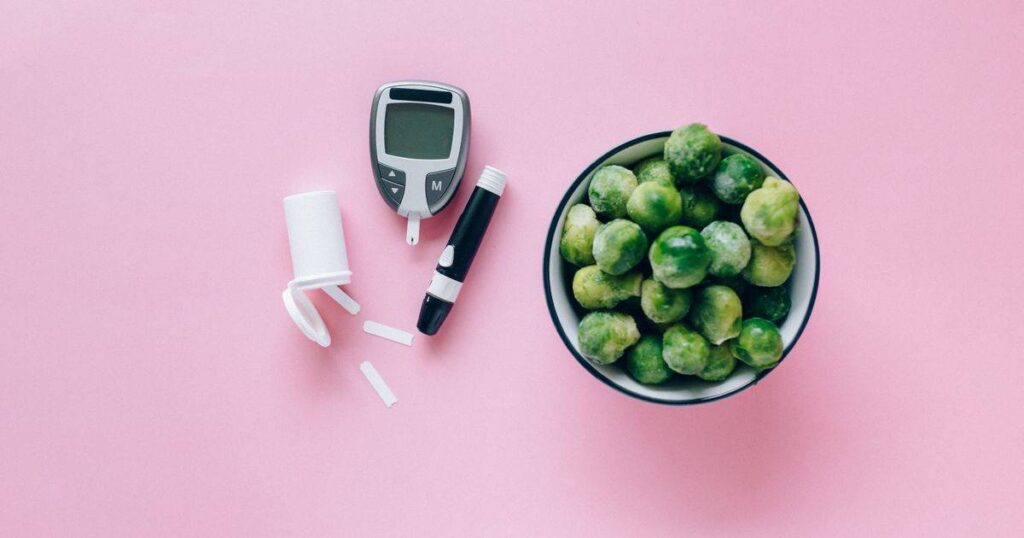
Discover everyday foods that spike blood sugar unexpectedly. Learn about hidden sugar foods, glycemic spike triggers, and smart meal pairing choices.
Maintaining steady energy throughout the day often comes down to keeping blood glucose levels balanced. Many people assume that as long as they skip candy, sodas, and baked goods, their glucose levels will remain completely stable. However, daily diets are filled with seemingly wholesome choices that cause rapid glucose surges. Identifying the common foods that spike blood sugar is an essential step for anyone interested in maintaining steady energy, supporting metabolic health, and avoiding mid-afternoon fatigue.
When blood glucose shoots up quickly, the body produces a sudden flood of insulin to bring it back down. This rapid swing frequently results in energy crashes, irritability, and heightened cravings for more quick-digesting carbohydrates. Over time, persistent blood sugar spikes can strain your overall metabolic function. By learning which everyday items secretly trigger these surges, you can make informed decisions that protect your daily vitality and long-term health.
Flavored Yogurts and Instant Oatmeal: Breakfast Health Staples
Breakfast is frequently labeled as the most important meal of the day, yet many popular morning routines center around hidden sugar foods. Flavored fruit yogurts, for example, are marketed as gut-friendly choices rich in calcium and protein. In reality, many commercial single-serve yogurt cups contain as much added sugar as a typical dessert. The fruit layer at the bottom is often a heavily sweetened jam, transforming a nutritious dairy product into a significant glycemic trigger.
Similarly, instant pre-flavored oatmeal packets present a deceptive breakfast trap. While whole oats are an excellent source of soluble fiber, instant oats are rolled thin and pre-cooked so they dissolve in hot water within minutes. This extensive processing strips away the intact fiber structure, allowing carbohydrates to digest rapidly. When flavored with brown sugar, maple syrup, or dried fruits, these instant packets deliver a concentrated dosage of simple carbohydrates straight into your bloodstream without enough protein or fat to buffer the absorption.
- Flavored yogurts often hide fifteen to twenty-five grams of added sugar per cup.
- Instant oatmeal packets digest quickly due to refined grain processing.
- Lack of dietary fiber or fat leads to steep early morning glucose rises.
- Healthier alternatives include plain Greek yogurt or intact steel-cut oats.
Fruit Juices and Commercial Smoothies: Fiber-Stripped Sugar Surges
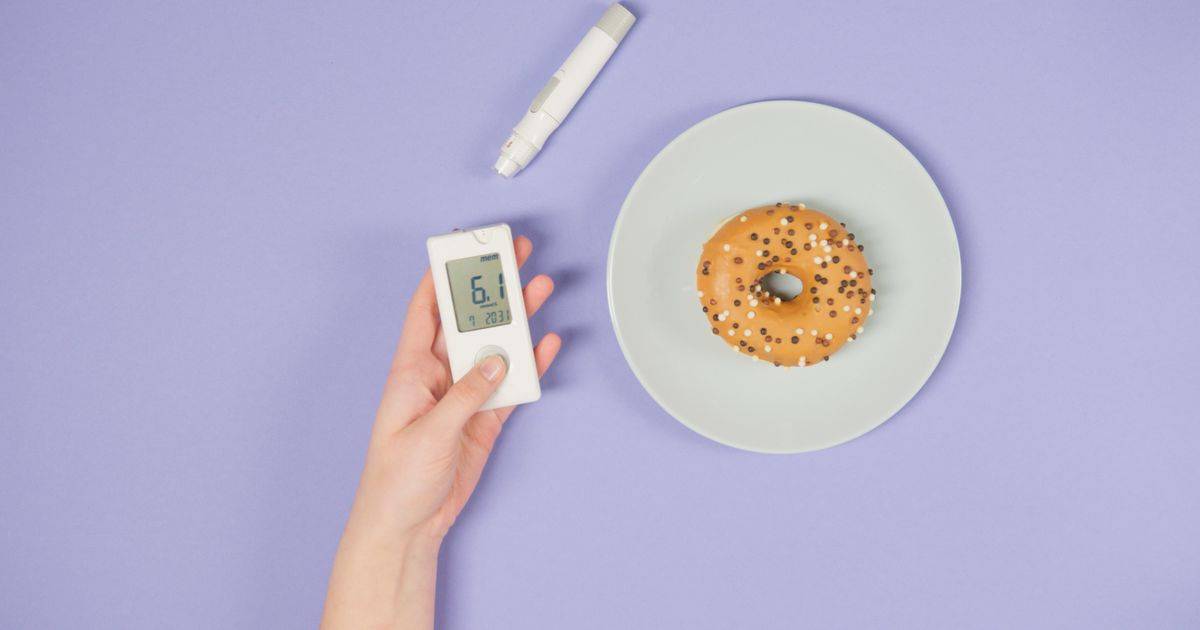
Drinking your fruit is fundamentally different from eating it in its whole form. When you eat an entire apple or orange, your digestive system breaks down insoluble and soluble fiber alongside natural fructose. Fiber acts as a natural speed bump, slowing down gastric emptying and pacing how quickly natural sugars enter your bloodstream. Juicing removes this essential fiber matrix, leaving behind liquid fruit sugar that absorbs almost instantly into circulation.
Commercial smoothies often present similar challenges despite their healthy reputation. Store-bought or cafe-prepared smoothies frequently combine multiple fruit juices, sweetened yogurt, ice cream bases, or sweetened plant milks. Drinking a large smoothie can result in consuming the sugar equivalent of four or five whole fruits within a few minutes. Because liquid calories bypass mechanical chewing and pass through the stomach rapidly, they act as major glycemic spike triggers that lead directly to steep glucose increases followed by sudden energy crashes.
- Juicing strips away structural fiber that slows fructose absorption.
- Commercial smoothies concentrate multiple fruit portions into a fast-digesting liquid.
- Rapid gastric emptying triggers quick insulin releases and energy slumps.
- Balanced smoothies use protein powder, greens, and healthy fats as buffers.
Dried Fruit and Energy Bars: Concentrated Energy and Hidden Sugars
Convenient grab-and-go snacks can be surprisingly deceptive when it comes to blood sugar management. Dried fruits like raisins, dried cranberries, dates, and dried mango slices are often viewed as wholesome alternative sweets. However, removing water through dehydration concentrates naturally occurring sugars into dense, highly portable packages. It is easy to consume a full cup of dried fruit in one sitting, which delivers significantly more carbohydrate content than eating the equivalent volume of fresh fruit. Additionally, many commercial dried fruits are treated with added sugar syrups or oils during processing.
Energy and protein bars present another frequent dietary pitfall. Many popular snack bars carry health-conscious claims on their packaging while relying heavily on syrups like agave nectar, brown rice syrup, tapioca syrup, or honey as binding agents. These ingredients sound natural, but they behave like simple sugars in the human digestive system. When combined with refined grains, these bars become major glycemic spike triggers that quickly drive up blood glucose.
- Dehydration concentrates fruit sugars into dense, easy-to-overeat portions.
- Snack bars frequently rely on syrups like brown rice syrup or agave.
- Refined snack items trigger sharp glycemic surges without full satiety.
- Pairing small dried fruit portions with raw nuts helps blunt glucose absorption.
Salad Dressings, Ketchup, and Marinades: Sneaky Sauces
Savory condiments, dressings, and marinades represent some of the most overlooked hidden sugar foods in the modern diet. When food manufacturers remove fat from reduced-calorie or low-fat salad dressings, they routinely add sugar, high fructose corn syrup, and modified food starch to maintain flavor and texture. Drizzling a generous serving of store-bought fat-free French or raspberry vinaigrette over a healthy salad can introduce ten to fifteen grams of hidden sugars to an otherwise nutritious meal.
Ketchup, barbecue sauces, and commercial teriyaki marinades present similar concerns. High fructose corn syrup or cane sugar is frequently listed among the top three ingredients in these popular condiments. A single tablespoon of barbecue sauce or ketchup can contain up to four grams of sugar. Because most people use multiple tablespoons per meal, these small, repeated condiment servings accumulate added sugar across daily meals without providing any meaningful feeling of fullness.
- Low-fat salad dressings often replace removed fats with extra sweeteners.
- Ketchup and barbecue sauces heavily utilize high fructose corn syrup.
- Repeated small sauce servings add up to significant sugar totals over the day.
- Checking ingredient labels helps identify hidden terms for added sugar.
White Potatoes and Refined Starch Staples
It is a common misconception that only sweet-tasting foods cause rapid blood sugar surges. Starchy staples like white potatoes, white rice, white bread, and refined pasta are made of long chains of glucose molecules. During digestion, enzymes quickly break down these refined starches into simple glucose. In fact, a plain baked white potato has a higher glycemic index rating than table sugar, causing a sharp elevation in blood glucose levels shortly after eating.
The physical structure and preparation method of starchy foods significantly impact how fast they digest. Finely milled white flour and instant rice lack the bran and germ layers that normally slow down enzymatic breakdown. However, you can modify the glycemic response of starches using temperature techniques. Cooking starchy foods and then cooling them overnight in the refrigerator creates resistant starch. This special form of carbohydrate resists normal digestion, acting more like soluble fiber and leading to a more moderate blood sugar response when reheated.
Balancing starchy staples with lean proteins, non-starchy vegetables, and healthy fats is critical for preventing sharp glycemic swings. If you have pre-existing metabolic concerns, diabetes, or insulin resistance, it is always wise to consult your doctor or a qualified healthcare professional before making substantial changes to your dietary routine or starch intake.
Smart Eating Strategies for Stable Blood Sugar
Managing your metabolic health does not require following an overly restrictive diet or eliminating entire food groups. Instead, recognizing how processed, fiber-stripped items and hidden sugars impact your body empowers you to make smarter, more intentional choices. Surprising blood sugar spikes often stem from everyday foods that lack the natural buffers of fiber, protein, and healthy fat.
By applying the simple principle of food pairing, you can enjoy carbohydrates while keeping your glucose response smooth and balanced. Always aim to pair carbohydrate sources with a source of lean protein, beneficial fat, or non-starchy vegetables to slow down digestion and absorption. Reading nutrition labels, choosing intact whole foods over refined options, and preparing meals at home are effective ways to protect your energy levels throughout the day. If you are managing a medical condition or need individualized advice on optimizing your diet, consult your doctor or a registered dietitian for personalized metabolic health guidance.
Frequently Asked Questions
Refined starches like white potatoes, white rice, and white bread consist of complex glucose chains. During digestion, enzymes quickly break these starches down into simple glucose, causing rapid blood sugar surges even if the food does not taste sweet.
Yes, drinking plain water helps flush excess glucose from the bloodstream through urine and assists with hydration. While it does not replace exercise or proper meal planning, staying hydrated supports natural blood sugar regulation.
Fresh fruit contains intact dietary fiber that slows down sugar absorption in the gut. Juicing removes this fiber, allowing liquid fruit sugars to absorb rapidly and trigger sharp glucose spikes.
Protein slows down gastric emptying and delays the absorption of carbohydrates into the bloodstream. This creates a slower, more gradual rise in blood glucose rather than a steep spike.
Resistant starch is a type of carbohydrate that resists standard digestion in the small intestine. Cooking and then cooling starchy foods like potatoes or rice forms resistant starch, which leads to a milder blood sugar response.