
Why Is Morning Fasting Blood Sugar High? Causes Explained

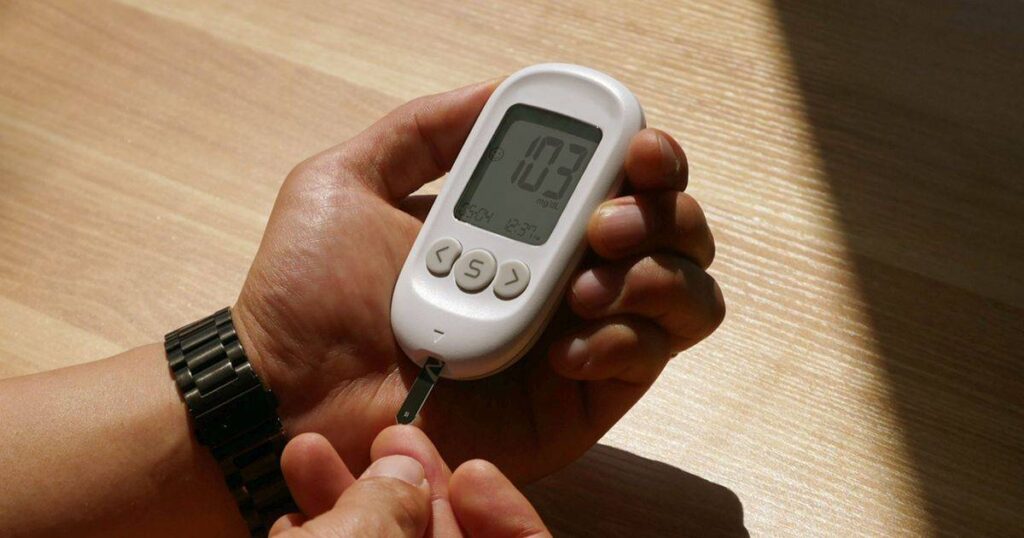
Discover why morning fasting blood sugar is high despite healthy habits. Learn about the dawn phenomenon, Somogyi effect, lifestyle triggers, and next steps.
Waking up, placing a fresh test strip into your glucometer, and seeing a morning fasting blood sugar high reading can feel deeply discouraging. You may have eaten a balanced dinner, avoided late snacks, and fasted for eight to twelve hours overnight, yet your waking glucose reading remains higher than expected. It is easy to assume that you did something wrong during the previous day, but morning glucose levels are shaped by complex biological processes that occur while you sleep.
Your overnight blood sugar readings are heavily influenced by natural hormonal shifts, liver activity, and circadian timing, rather than simply what you ate before bed. Understanding these internal drivers is the first step toward getting clearer answers. In this guide, we will explore the natural biological mechanisms behind elevated waking sugar, examine dietary and lifestyle triggers, and highlight practical strategies to help you work effectively with your healthcare team.
The Dawn Phenomenon: How Morning Hormones Cause Glucose Spikes
One of the most frequent reasons for elevated waking readings is a biological event known as the dawn phenomenon. Every morning, between roughly 3:00 AM and 8:00 AM, the human body prepares to wake up and begin daily activities. To support this transition, the endocrine system naturally increases the release of several key hormones, including cortisol, growth hormone, glucagon, and epinephrine. These hormones signal the liver to convert stored glycogen into glucose and release it directly into the bloodstream, providing your brain and muscles with energy.
In an individual with typical insulin sensitivity, the pancreas responds to this glucose release by secreting additional insulin. This insulin allows the cells to absorb the sugar efficiently, keeping blood glucose levels stable and within a normal range. However, for individuals living with insulin resistance or diabetes, the body cannot process this influx of glucose effectively. Either the pancreas produces insufficient insulin, or the peripheral tissues do not respond properly to the insulin present. As a result, the sugar released by the liver accumulates in the bloodstream, leading to high morning glucose levels before you have consumed a single bite of breakfast.
The Somogyi Effect: Rebound High Blood Sugar

Another distinct cause of elevated waking blood sugar is the Somogyi effect, sometimes referred to as rebound hyperglycemia. While the dawn phenomenon is a natural morning hormone surge, the Somogyi effect is a biological compensation triggered by an undetected drop in blood sugar during the middle of the night. If blood glucose drops too low overnight, a condition known as nocturnal hypoglycemia, the body perceives this state as a critical emergency.
To protect vital organs from severe glucose deprivation, the body triggers an immediate rescue response. The adrenal glands and pancreas pump out high amounts of stress hormones, particularly epinephrine, cortisol, and glucagon. These counter-regulatory hormones compel the liver to rapidly break down glycogen reserves and flood the circulation with glucose. Consequently, when you wake up several hours later, your glucometer reflects elevated blood sugar levels. Because this spike is a secondary reaction to an earlier dangerous drop, adjusting your routine without medical input can be risky. Always consult your primary care doctor or endocrinologist before attempting to adjust your diabetes medications or insulin dosages to address high waking numbers.
Dawn Phenomenon vs Somogyi Effect: How to Tell the Difference
Because the dawn phenomenon vs somogyi effect produce nearly identical morning blood sugar readings, determining which mechanism is at play requires structured overnight testing. While both result in elevated waking sugar, their overnight blood sugar trajectories are completely opposite. The dawn phenomenon involves steady or rising glucose levels throughout the night, whereas the Somogyi effect involves a sharp decline followed by a sudden spike.
To distinguish between these two phenomena, healthcare providers often recommend checking your blood sugar in the middle of the night, typically between 2:00 AM and 3:00 AM, for several consecutive nights:
- A low blood sugar reading at 3:00 AM: This suggests the Somogyi effect is likely occurring, as your body is rebounding from a nighttime low.
- A normal or elevated blood sugar reading at 3:00 AM: This points toward the dawn phenomenon, indicating a gradual early morning hormone surge without an earlier dip.
Keeping a detailed tracking logbook that records nighttime glucose tests, bedtime snacks, and morning readings provides invaluable data. Sharing this log with your clinical team ensures safe, targeted adjustments rather than unhelpful guesswork, especially if medication changes are under consideration.
Late-Night Snacks, Sleep Quality, and Lifestyle Triggers
Beyond hormonal surges, daily habits and lifestyle factors heavily influence overnight glucose balance. Late-night dining habits play a major role in morning blood sugar results. Consuming meals high in refined carbohydrates shortly before bed causes a direct rise in blood glucose that can persist into the early morning hours. Furthermore, meals rich in heavy fats and proteins can delay gastric emptying. This delayed digestion slows carbohydrate absorption, causing an extended release of glucose long after you have fallen asleep.
Sleep duration and overall sleep quality are equally impactful. Disrupted sleep, chronic insomnia, and untreated sleep apnea place physiological stress on the body, elevating nighttime cortisol levels and diminishing insulin sensitivity. High stress during evening hours similarly keeps stress hormones elevated, compromising your body's ability to maintain stable overnight glucose levels. Additionally, evening alcohol consumption can impair the liver's ability to regulate glucose output, leading to unpredictable fluctuations that leave your morning fasting blood sugar high.
Medication Timing and Underlying Insulin Resistance
For individuals managing diabetes with prescription therapies, medication timing is another critical factor. Diabetes medications, including oral agents and basal insulin, are designed to regulate hepatic glucose output overnight. If basal insulin or long-acting medications wear off before morning, the liver's baseline glucose production goes unbuffered during the early hours of the day, permitting waking glucose to rise unchecked.
Underlying insulin resistance further amplifies these morning spikes. When cellular insulin resistance is chronic, even a minor biological release of hormones can cause a disproportionately high spike in glucose levels. Addressing these concerns requires a balanced, professional approach. Never alter the timing, dose, or frequency of prescribed diabetes medications on your own, as improper adjustments can increase the risk of severe nighttime hypoglycemia or severe hyperglycemia. Always seek professional clinical guidance to refine your medication schedule safely.
Steps Toward Identifying and Managing Morning Glucose Spikes
Navigating elevated morning glucose can be frustrating, but recognizing that overnight blood sugar dynamics are driven by internal physiology offers a path forward. Elevated waking readings are rarely a reflection of personal effort or failure; rather, they signal that your body's overnight hormonal and metabolic systems require tailored support.
To take control of your morning readings, start by keeping a comprehensive daily logbook. Track your bedtime meal composition, nighttime sleep quality, 3:00 AM glucose checks, and waking blood sugar numbers. Bring these records to your next appointment with your doctor, endocrinologist, or registered dietitian. Working alongside a qualified healthcare professional allows you to safely refine your medication timing, adjust evening nutrition, and implement tailored lifestyle habits that support balanced blood sugar around the clock.
Frequently Asked Questions
Fasting blood sugar can be higher than bedtime blood sugar due to natural hormonal shifts overnight. Early in the morning, hormones like cortisol and growth hormone signal the liver to release stored glucose into the bloodstream to give you energy to wake up. If your body does not produce enough effective insulin to process this sugar, your waking glucose will be higher than your bedtime reading.
The dawn phenomenon is a natural biological process where the body releases surge hormones (such as cortisol, growth hormone, and glucagon) between 3:00 AM and 8:00 AM. These hormones prompt the liver to release stored glucose into the blood. In people with insulin resistance or diabetes, this surge leads to elevated waking blood sugar levels.
To tell the difference, test your blood sugar in the middle of the night, around 2:00 AM to 3:00 AM, for a few nights. If your blood sugar is low at 3:00 AM, you may be experiencing the Somogyi effect (a rebound high after a low). If your blood sugar is normal or high at 3:00 AM, it is more likely the dawn phenomenon.
Yes. Eating late-night snacks high in carbohydrates or heavy fats can lead to high morning glucose. Carbohydrates directly raise blood sugar, while high-fat or high-protein meals delay digestion, causing glucose to be released gradually into your bloodstream throughout the night.
Yes, poor sleep quality, chronic insomnia, and sleep conditions like sleep apnea can significantly elevate morning blood sugar. Inadequate sleep triggers the release of stress hormones like cortisol, which increases insulin resistance and promotes excess glucose release from the liver.