
Bearberry

Arctostaphylos uva-ursi
Also known as: Uva Ursi, Kinnikinnick, Mealberry, Mountain Cranberry
Bearberry is a traditional botanical leaf extract valued for supporting urinary tract comfort and fluid balance. Due to its concentrated active compounds, it is intended strictly for short-term herbal support.
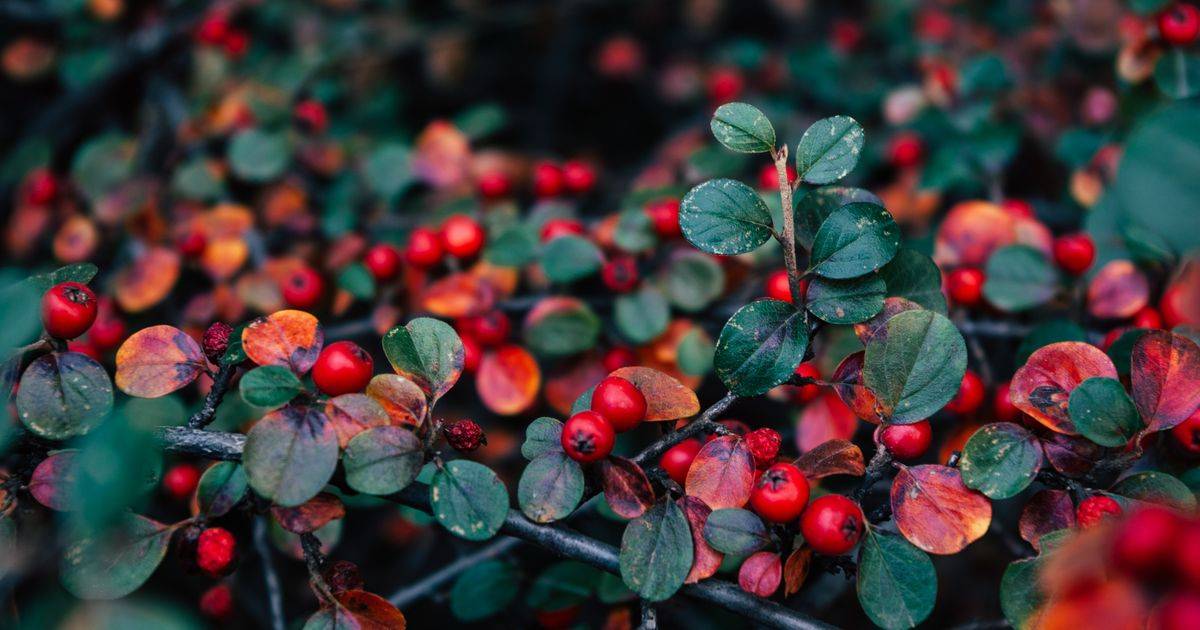
Explore Bearberry benefits and side effects, standardized dosage guidelines, and essential safety tips for short-term urinary tract support.
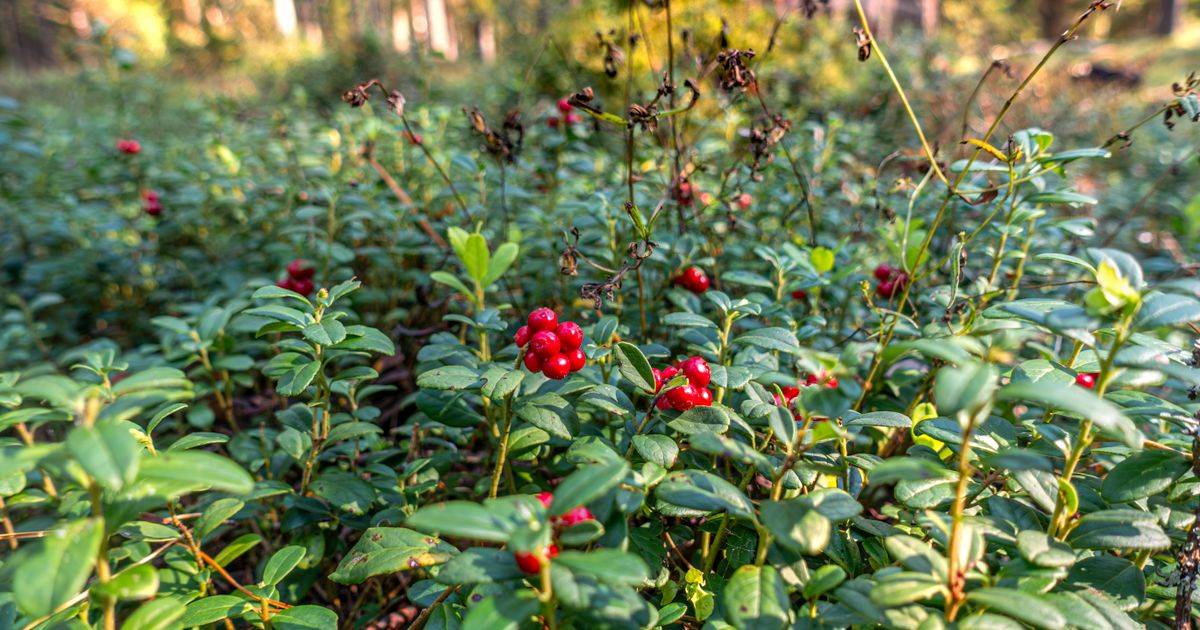
Bearberry, botanically known as Arctostaphylos uva-ursi, is a low-growing evergreen shrub native to northern climates across North America, Europe, and Asia. For centuries, traditional herbalists have used the leaves of this hardy plant to support urinary tract health and maintain balanced fluid levels in the body. The primary active component in bearberry is arbutin, a plant compound that converts into hydroquinone in the urinary tract, providing natural cleansing properties.
Today, many individuals turn to bearberry supplements as a short-term herbal remedy for lower urinary tract comfort. However, understanding Bearberry benefits and side effects is essential for safe usage. Because high concentrations of arbutin and hydroquinone can cause adverse effects when used improperly, bearberry should only be consumed for brief periods under appropriate guidance. Always consult a qualified healthcare provider before adding bearberry supplements to your routine, especially if you have pre-existing kidney conditions or are taking prescription medications.
Bearberry Profile and Quick Facts
Bearberry Forms and Dosage Guidelines
| FORM | TYPICAL DOSAGE RANGE |
|---|---|
| Capsules | 250 mg to 500 mg standardized extract, 2 to 3 times daily |
| Liquid Extract | 2 mL to 4 mL (1:5 tincture), 3 times daily |
| Dried Leaf Tea | 1 cup (3 g dried leaf steeped in hot water), 3 to 4 times daily |
Key Health Benefits of Bearberry
- Supports general urinary tract health and bladder comfort
- Promotes healthy fluid balance and natural water excretion
- Contains natural astringent tannins that help soothe urinary tissues
- Provides botanical arbutin for targeted urinary system cleansing
Frequently Asked Questions
Bearberry is primarily used as a short-term herbal support for urinary tract wellness and bladder comfort. Its leaf extract contains arbutin and astringent tannins, which help support fluid balance and maintain a clean urinary environment.
The main benefits include urinary tract support and fluid balance regulation. However, potential side effects of bearberry include stomach upset, nausea, vomiting, or mild green-brown discoloration of the urine. Excessive or prolonged intake can lead to liver or kidney strain due to hydroquinone toxicity.
Bearberry supplements should only be taken for short durations, typically no longer than 7 to 14 consecutive days. Prolonged use is discouraged because long-term exposure to hydroquinone derivatives can cause adverse toxic effects on the liver and kidneys.
Yes. Bearberry safety guidelines strongly advise against use during pregnancy, breastfeeding, or in young children. Individuals with pre-existing kidney disease, liver disorders, or severe digestive inflammation should avoid bearberry unless explicitly directed by a physician.
Bearberry works best in alkaline urine, so taking it alongside substances that acidify the urine, such as high doses of vitamin C or acidic juices, may reduce its effectiveness. It may also interact with diuretics or medications affected by fluid regulation. Always consult a healthcare professional before starting a bearberry regimen.